The act of worship through hymns is not merely a modern tradition but a profound biblical mandate that weaves through the entire tapestry of Scripture. From the triumphant “Song of the Sea” in Exodus to the celestial choirs of Revelation, music serves as a spiritual bridge between the human experience and the divine. In the biblical context, hymns function as more than melodic accompaniment; they are a form of “sung theology,” allowing believers to internalize complex truths about God’s character while engaging the heart in a way that prose alone often cannot achieve.
The Psalmic Foundation
Central to this practice is the Book of Psalms, which served as the original hymnal for the people of Israel. These compositions provided a liturgical framework for every facet of life—celebrating God’s sovereignty, lamenting during periods of exile, and offering thanksgiving for deliverance. By utilizing the poetic structure of the Psalms, biblical worshipers engaged in a communal dialogue with the Creator. This tradition emphasizes that biblical hymns are rooted in scriptural truth, ensuring that the emotions stirred by the music remain tethered to the objective reality of God’s Word.
The New Testament Shift
In the New Testament, the role of the hymn evolved but remained vital to the life of the early Church. Following the Last Supper, the Gospels record that Jesus and His disciples sang a hymn before departing for the Mount of Olives, sanctifying the use of music even in moments of profound gravity. Later, the Apostle Paul’s exhortation in Colossians 3:16 to teach and admonish one another through “psalms, hymns, and spiritual songs” suggests that music was a primary vehicle for discipleship and community building. For the early Christians, singing was an act of defiance against a pagan world and a declaration of their new identity in Christ.
Transcendence and Unity
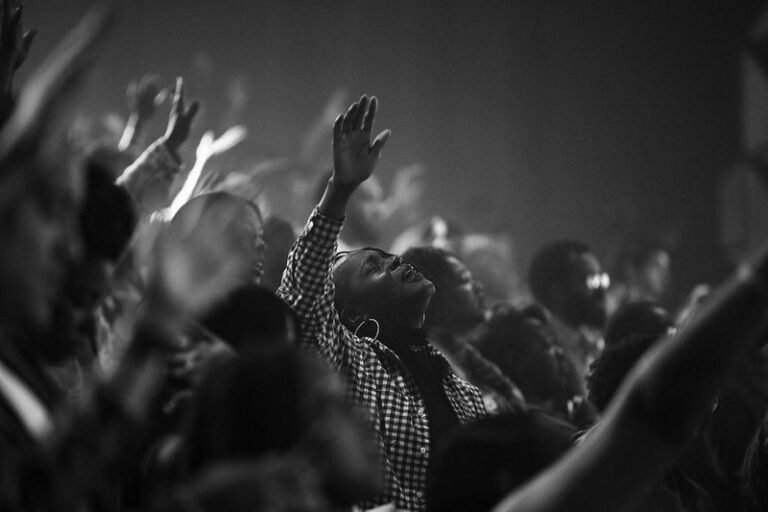
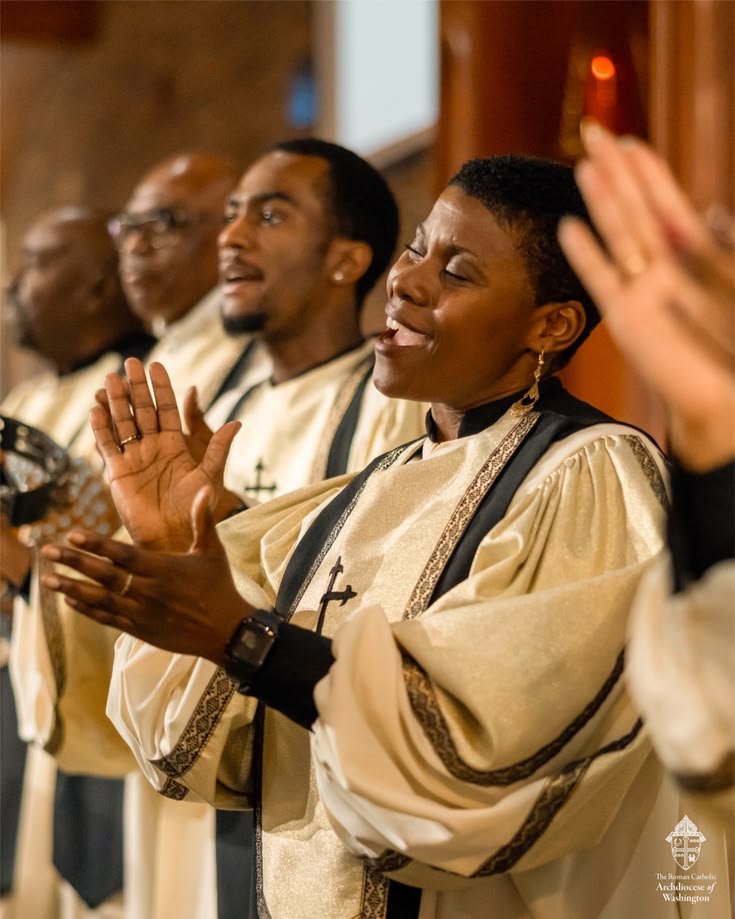
The power of the hymn lies in its ability to unify the “body of believers” across generational and cultural divides. When a congregation sings a hymn, they are participating in a timeless harmony that transcends their immediate circumstances. Biblical worship through song acts as a spiritual discipline that redirects the focus from the self toward the majesty of God. It is a transformative process where the rhythmic repetition of truth helps to renew the mind, providing a sense of peace and perspective that persists long after the final note has faded.
Ultimately, worship through hymns is an invitation to join an eternal chorus. As we look toward the eschatological vision in the Book of Revelation, we see that the culmination of history is marked by a “new song” sung by every nation and tongue. To sing hymns today is to practice for eternity, echoing the praises of those who have gone before us while looking forward to a future where worship is unceasing. In the biblical view, a hymn is never just a song; it is a sacred conversation that resonates through the ages.