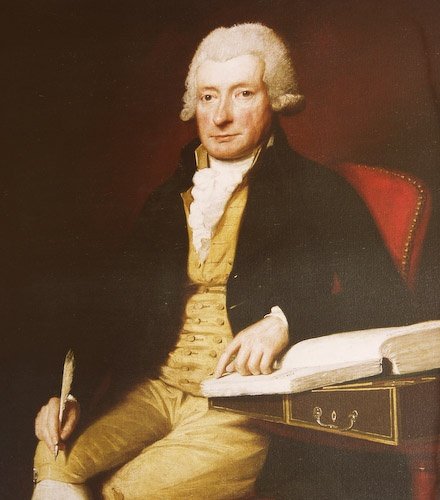
For many, the sense of holiness in a hymn comes from its connection to the “cloud of witnesses” that spans centuries. Unlike a contemporary song that might have been written last year, a hymn carries the weight of history. When a person sings a melody that has been used in weddings, funerals, and times of war for three hundred years, they are stepping out of their own temporary moment and into a long, sacred tradition. This historical depth creates a feeling of stability and reverence, making the experience feel less like a modern performance and more like a timeless conversation with the Divine.
The Depth of Thoughtful Poetry
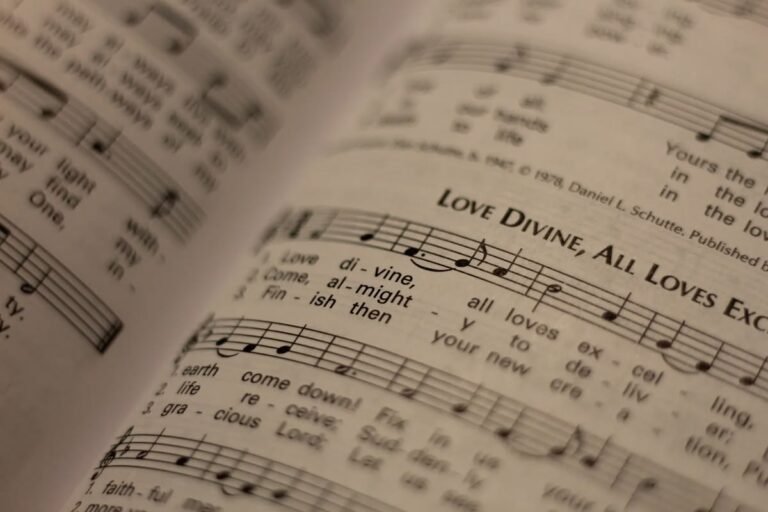
Hymns are often admired for their “simple complexity.” They are meticulously crafted poems that pack deep theological truths into every verse. While modern music often relies on emotional repetition to build a “vibe,” hymns use structured language to build a logical and spiritual argument. This intellectual depth gives the worshiper something substantial to lean on. Because the lyrics are often rooted in specific scriptural narratives, they feel like “sound doctrine” set to music. For many, this richness of content creates a sense of awe, as the mind and heart are engaged simultaneously in a way that feels inherently holy.
Reverence Through Musical Structure
The musical structure of a hymn often characterized by steady rhythms and four-part harmonies naturally encourages a slower, more reflective pace. Unlike the high-energy, percussive nature of many modern styles, hymns tend to foster a “reverent stillness.” The use of traditional instruments like the piano or organ often signals a transition from the “common” sounds of the world to the “sacred” sounds of the sanctuary. This musical “otherness” helps people disconnect from the frantic noise of their professional and personal lives, creating a psychological space where it feels easier to focus on things that are eternal.
A Focus on the Divine Perspective
A common observation among those who prefer hymns is the shift in focus from the “self” to the “Creator.” While many modern worship songs use “I” and “me” to express personal feelings, hymns frequently use “He,” “Him,” and “Thou” to describe the character and attributes of God. This outward focus is a key component of what makes a hymn feel “holier.” By directing the singer’s attention away from their own fluctuating emotions and toward unchanging spiritual principles, the hymn acts as a mirror that reflects a higher reality. This shift in perspective provides a sense of peace and security that feels deeply sacred.
The Power of Communal Unity
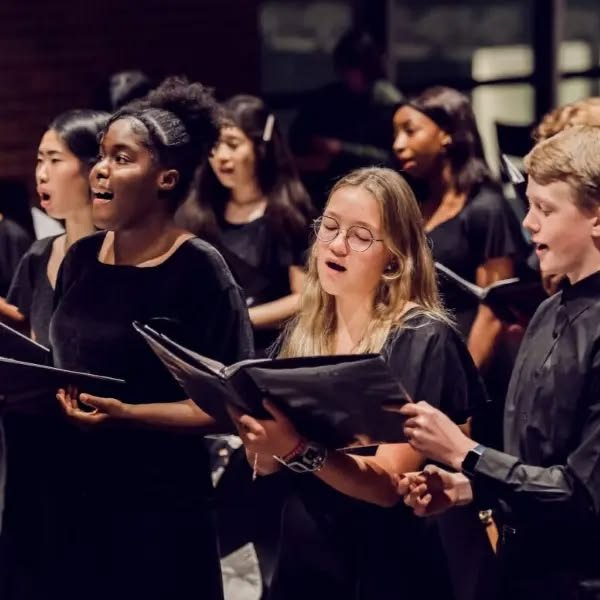
Finally, hymns feel holy because of the way they unify a group of people. Most hymns were written with the congregation’s voice as the primary instrument, rather than a soloist. There is a unique, “unfiltered” holiness in the sound of a diverse group of people young and old, from different backgrounds singing the same words in harmony. This collective act of devotion breaks down the walls of isolation and creates a sense of shared identity. It is a powerful reminder that faith is not just a private experience, but a communal journey, and that unity itself is one of the most sacred expressions of a healthy spiritual life.