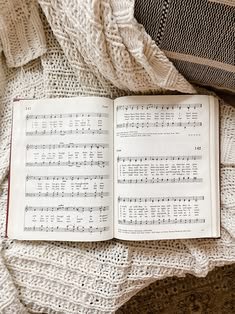
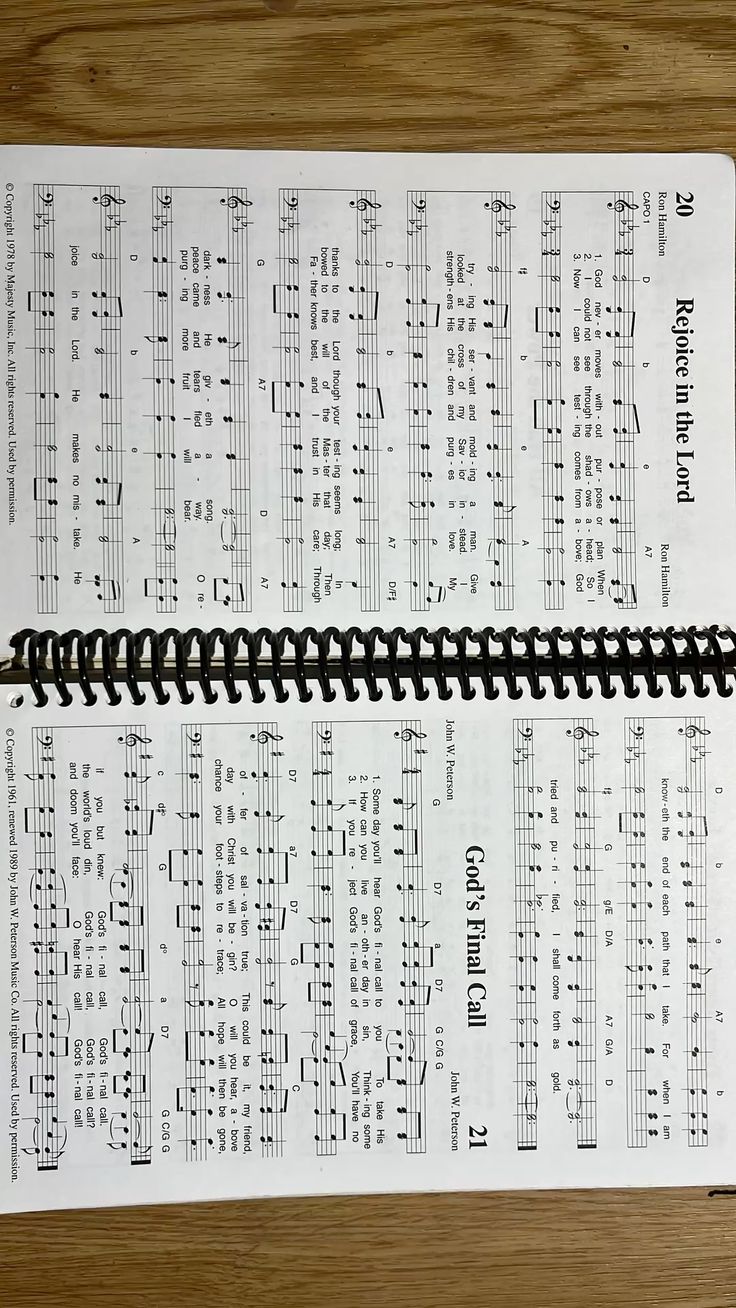
The primary reason churches continue to use hymns is to maintain a tangible link to the global community of believers throughout history. Unlike modern songs that may trend for a few months, hymns have often survived for centuries, carrying the weight of the experiences of those who came before us. When a congregation sings a hymn, they are participating in a tradition that transcends time and geography. This sense of continuity provides a stable foundation, reminding worshippers that their faith is part of a much larger, enduring story that has weathered countless cultural shifts.
Theology Set to Music
Hymns are often described as “musical sermons” because they are packed with deep spiritual teaching. One of the functional roles of a hymn is to act as a memory tool for complex ideas. By putting important principles into poetic, rhyming verses, churches help people internalize their beliefs in a way that is easy to remember. Long after a spoken message is forgotten, the lyrics of a hymn often remain in the mind, providing a constant source of encouragement and instruction. This makes the hymn a highly efficient and professional tool for teaching and reinforcing core values.
Encouraging Communal Participation
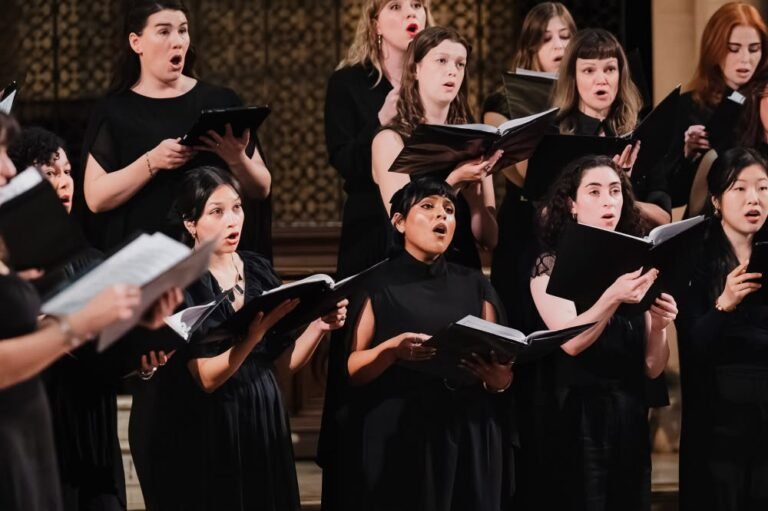
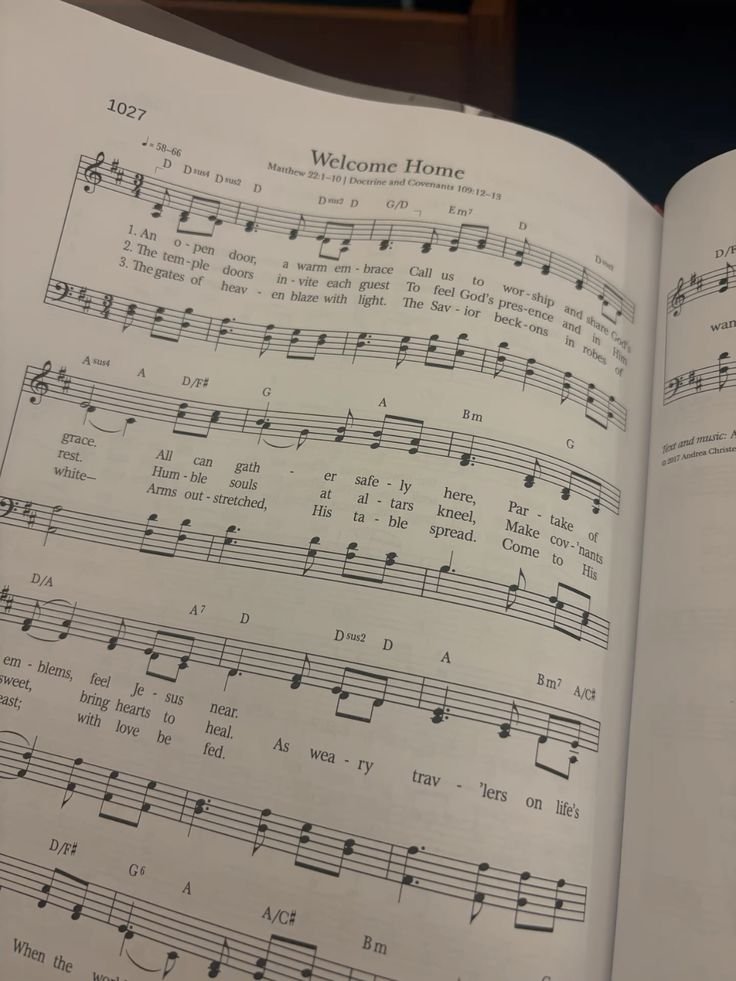
A key characteristic of hymns is that they are specifically composed for “congregational singing.” Unlike performance-heavy music that can sometimes make people feel like they are at a concert, hymns usually feature melodies that are easy for a large group to sing together. This shifts the focus from a lead singer on a stage to the collective voice of the people in the pews. This style of music encourages every person—regardless of their musical talent—to be an active participant. It fosters a sense of unity and equality, as everyone contributes their voice to the shared harmony.
Emotional Range and Resilience
Life involves a wide spectrum of experiences, from great joy to deep sorrow, and hymns are uniquely designed to address this full range of human emotion. While many contemporary styles lean heavily toward upbeat celebration, hymns frequently provide a language for “lament” or mourning. They offer comfort during times of loss and strength during periods of doubt because many of them were written by authors facing immense personal trials. By using hymns, churches ensure they are providing a holistic spiritual diet that meets people exactly where they are, offering a resilient hope that feels grounded and real.
Consistency and Cultural Stability
In a rapidly changing world, hymns provide a sense of cultural and spiritual stability. They offer a “reliable” experience that isn’t dependent on the latest technology or the most current musical trends. This reliability is particularly valuable in multi-generational settings, where people of all ages can find common ground in a shared songbook. For the church leader, hymns are a professional recommendation for building a sustainable culture of worship. They ensure that the focus remains on timeless truths rather than fluctuating fashions, allowing the community to grow on a foundation that is both ancient and perpetually relevant.