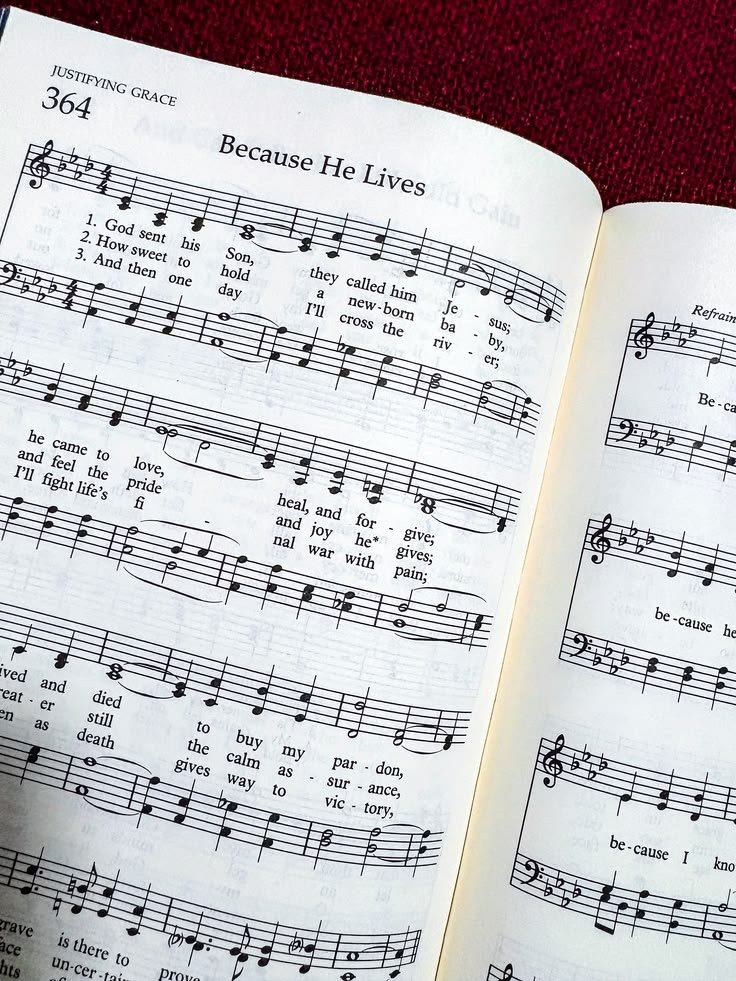
The music performed within a faith community is rarely just a matter of aesthetic preference; it is a profound exercise in “lex orandi, lex credendi”—the idea that the way we pray (or sing) shapes what we believe. Every lyric serves as a micro-sessional in systematic theology, embedding complex doctrines into the subconscious through the vehicle of melody. Because music bypasses the purely analytical mind and engages the emotions, the theology behind the words acts as a foundational architecture for a believer’s worldview, making the selection of hymns and songs a task of immense intellectual and spiritual responsibility.
Music as a Mnemonic for Doctrine
Historically, congregational singing was one of the most effective tools for teaching theology to a largely non-literate public. Even in a modern context, people are far more likely to recall a chorus they sang on Sunday than a specific point from a lecture or sermon. This mnemonic power means that songs function as a living confession of faith. When a lyric focuses on the nature of grace, the character of the Divine, or the ethics of service, it provides a portable theological framework that individuals carry with them into their daily professional and personal lives.
The Balance of Transcendence and Immanence
A robust musical theology must navigate the tension between the transcendence of God—His power, sovereignty, and “otherness”—and His immanence—His closeness, intimacy, and presence. Worship repertoires that lean too heavily in one direction can result in a skewed understanding of the Divine. Lyrics that focus solely on majesty can feel distant and detached, while those that focus exclusively on personal intimacy can risk becoming overly sentimental or “me-centered.” The most enduring songs are those that successfully bridge this gap, acknowledging both the vastness of the cosmos and the intimacy of the human experience.
The Ethical Weight of Lyrics
Beyond personal devotion, the words we sing have significant ethical implications. Theology in song often dictates how a community views its responsibility to the world. Songs that emphasize justice, peace, and the care for the vulnerable move worship from a private emotional experience to a public commitment to social integrity. Conversely, if a repertoire ignores these themes, it may inadvertently teach a theology of withdrawal. Therefore, the “words on the screen” are not just expressions of praise; they are blueprints for how a community intends to interact with society and uphold its moral values.
Emotional Integrity and Lament
Finally, a complete theology of song must account for the full spectrum of human emotion, including doubt, grief, and lament. A repertoire consisting only of high-energy, celebratory anthems can create a “theology of glory” that leaves no room for those in seasons of suffering. By incorporating songs of lament—as seen extensively in the biblical Psalms—theology acknowledges the reality of a broken world. This creates a space for emotional integrity, where the music reflects a faith that is resilient enough to handle honesty, ensuring that the words we sing are not just aspirational, but authentically grounded in the human condition.