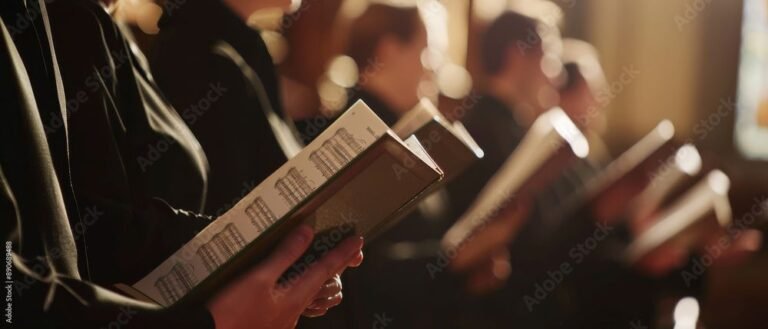
While modern sacred music often emphasizes comfort, peace, and grace, traditional hymnody frequently addresses a far more serious reality: the final judgment. Throughout church history, hymn writers recognized that music possessed a unique power to convey profound theological truths. Rather than avoiding difficult subjects, classic writers crafted solemn lyrics designed to remind believers that human life marches steadily toward a divine accounting. These hymns serve as enduring musical reminders that every soul will one day stand accountable before a holy and sovereign God.
Classic Hymns That Echo the Final Trumpet
Some of the most powerful compositions in sacred history center directly on the imagery of Christ’s return and the accompanying judgment. Masterpieces like Great God, What Do I See and Hear? and the centuries-old sequence Dies Irae (“Day of Wrath”) use vivid, unyielding language to depict the grandeur and awe of that final day. These hymns do not mince words; they portray books being opened, trumpets sounding across creation, and humanity standing stripped of pretense. By anchoring their lyrics in biblical prophecy, these songs compel listeners to reflect deeply on their spiritual standing.
The Dual Message of Reverence and Urgent Grace
What makes these judgment-themed hymns so effective is their balance of solemn awe and urgent hope. They present God’s holiness not as a cruel threat, but as an absolute standard of absolute justice. In doing so, the music creates a striking contrast between divine perfection and human fragility. The tension built within these verses is intentional: by establishing the reality of eternal accountability, the hymns highlight the profound value of grace, mercy, and redemption before time runs out.
How Musical Structure Conveys Divine Awe
The thematic weight of judgment is equally supported by the musical architecture of these hymns. Composers typically paired solemn lyrics with minor keys, steady march-like rhythms, and powerful vocal arrangements. The descending melodic lines and resounding cadences evoke a sense of finality and reverence. This careful alignment of melody and text ensures that the emotional impact of the music matches the gravity of the subject matter, leaving a lasting impression on the listener long after the final note fades.
An Enduring Call to Personal Reflection
Ultimately, hymns that address divine judgment endure because they address a fundamental universal question: how one stands before the divine. In a world full of temporary distractions, these traditional songs invite listeners to pause and contemplate eternity. By maintaining a place for these serious themes within sacred music, classic hymnody offers more than just melody—it provides a timeless, sober call to personal reflection, reverence, and readiness for the day when every soul steps into the presence of God.