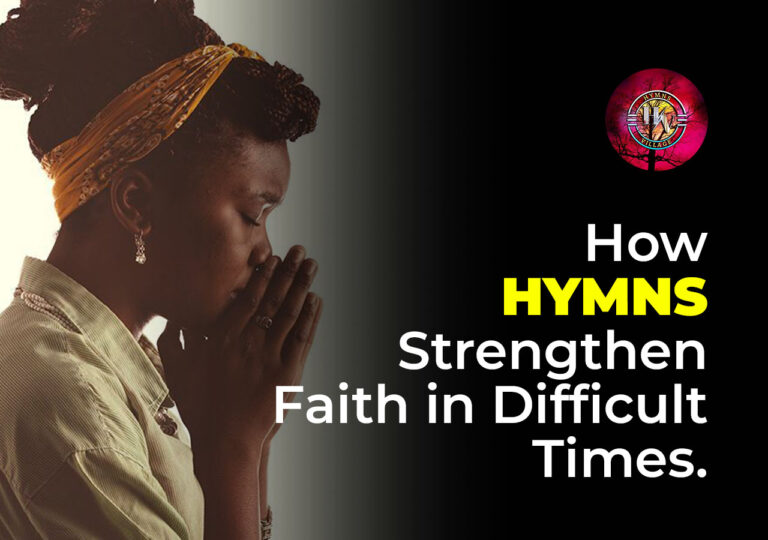
Hymns in Scripture serve as more than mere musical interludes; they are rhythmic repositories of theology. From the “Song of Moses” in Exodus to the Christological hymns found in the Pauline epistles, sacred song has historically functioned as a primary vehicle for transmitting core beliefs. By embedding complex spiritual truths into poetic and melodic structures, these hymns ensured that doctrine was not just understood intellectually but “hidden in the heart.” In an era before the printing press, the hymn was a vital pedagogical tool, making the character of the Divine accessible and memorable for the entire community.
A Weapon of Spiritual Fortitude
The power of the scriptural hymn is often highlighted in contexts of extreme pressure and suffering. One of the most striking examples is the account of Paul and Silas singing hymns while shackled in a Philippian jail. In this light, hymns are portrayed as a form of spiritual defiance—a way to assert the sovereignty of a higher power over immediate, painful circumstances. This practice demonstrates that the purpose of sacred music is not merely to express existing joy, but to actively generate hope and endurance when external conditions are at their bleest.
The Bridge of Communal Identity
Scriptural hymns act as a powerful “social glue,” bridging the gap between individual experience and communal identity. When the early church sang the Magnificat or the Nunc Dimittis, they were participating in a collective memory that spanned generations. These songs allowed diverse groups—separated by status, ethnicity, or geography—to speak with a unified voice. The “purpose” here is the orchestration of unity; through the shared act of singing, the community reaffirms its common values and its place within a larger, unfolding narrative.
Catalysts for Emotional Alignment
While modern discourse often separates logic from emotion, the hymns of Scripture integrate the two, serving to align the believer’s affections with their convictions. The Psalms, the central songbook of the Bible, cover the full spectrum of human emotion, from ecstatic praise to the depths of lament. By providing a vocabulary for these feelings, scriptural hymns permit the worshiper to bring their authentic self before the Divine. This alignment prevents faith from becoming a cold, clinical exercise, instead fostering a vibrant, holistic devotion that engages both the mind and the heart.
An Echo of Celestial Worship
Ultimately, the hymns found in Scripture are presented as earthly echoes of a celestial reality. The Book of Revelation depicts a future state defined by perpetual, symphonic worship, suggesting that the “power” of a hymn lies in its ability to pull the future into the present. Every time a community engages with these ancient songs, they are practicing for an eternal vocation. This perspective elevates the act of singing from a temporary ritual to a transformative participation in a cosmic order, providing a sense of meaning and professional focus that transcends the mundane.