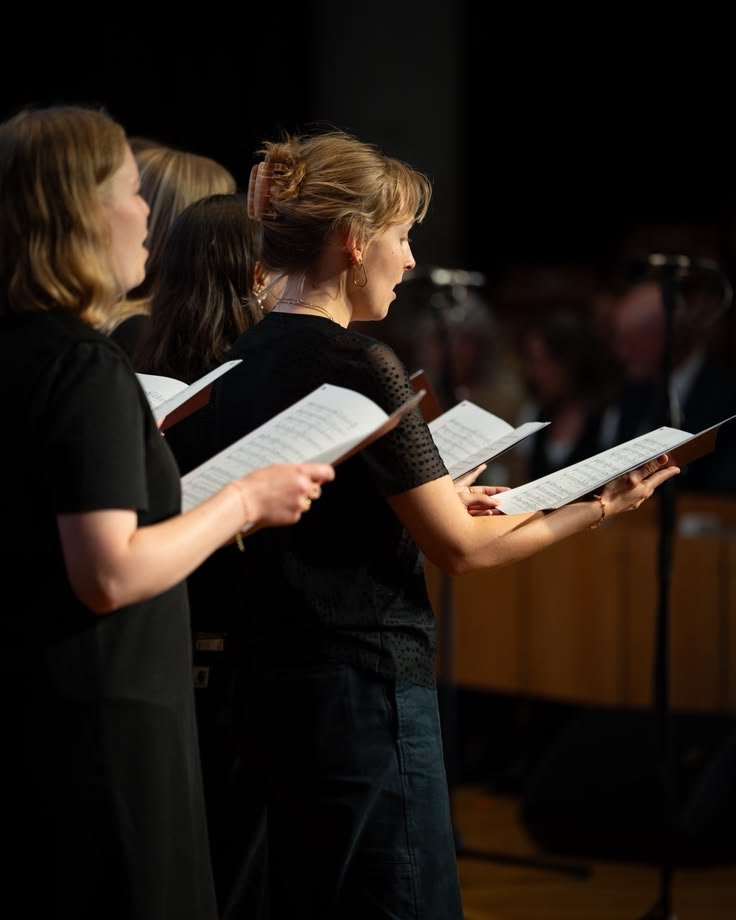
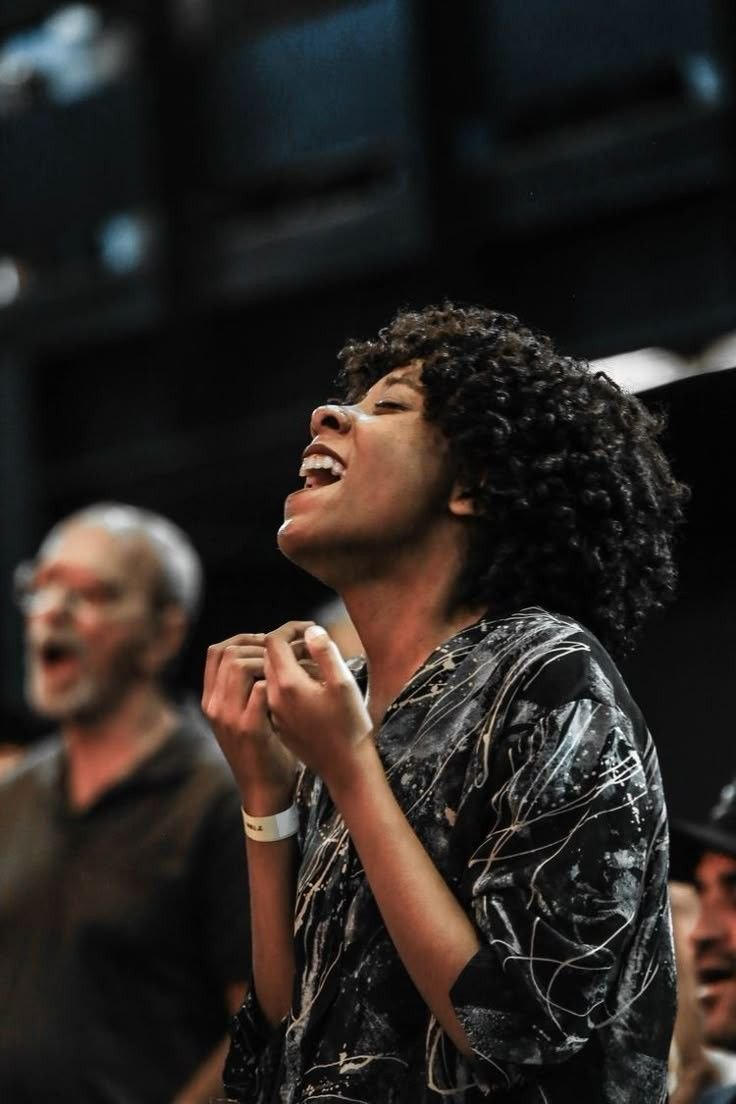
Leading a congregation in singing hymns without the vocal safety net of a choir can feel intimidating, but it actually presents a unique opportunity to build a deeply participatory environment. When a choir is absent, the leadership style must shift from a stage presentation to a direct, personal invitation. The primary goal is to close the psychological distance between the platform and the pews. By standing closer to the congregation, maintaining warm eye contact, and using clear, welcoming gestures, a leader can signal to the room that the music belongs entirely to them, instantly turning a passive audience into an active, unified chorus.
Choosing the Right Musical Key
One of the most practical tips for leading hymns without a choir is to ensure that the songs are pitched in a comfortable vocal range for the average person. Many traditional hymnals are arranged with high soprano parts designed for trained choral singers. For a standard congregation, however, singing above a high $D$ or $E$ can cause hesitation and silence. Transposing a hymn down a step or two into a lower key—such as shifting from E-flat major down to C major—makes the melody accessible to everyone. When people feel that they can sing comfortably without straining, their confidence rises, and the overall volume of the room increases naturally.
Clear Tempo and Intentional Introductions
Without a choir to guide the rhythm, the musical introduction and the tempo of the hymn become critical communication tools. Before the first lyric is sung, the instrumentalist should play a clear, distinct introduction—usually the final line or the chorus of the hymn—at the exact speed the song should be sung. This gives the congregation a predictable cue for when to breathe and when to start. Once the song begins, the leader must maintain a steady, deliberate pace. Dragging the tempo causes fatigue, while rushing causes confusion; a rock-solid, predictable rhythm acts as an invisible guide that holds the entire room together.
The Strategy of the Strong Lead Vocal
When there is no choir to fill out the vocal harmonies, a single, clear lead vocalist is essential for guiding the melody. This role is not about putting on a solo performance or showcasing vocal gymnastics; rather, it is about serving as an audible blueprint for the room. The leader’s voice should be clear, steady, and mixed through the sound system just enough to be heard over the instruments without overpowering the congregation. Singing directly into the microphone on the first verse helps everyone find their footing, and once the room is engaged, the leader can subtly pull back to let the communal voices carry the weight.
Emphasizing the Beauty of Unaccompanied Verses
A remarkably effective technique for boosting congregational confidence is to deliberately drop the instruments entirely during a well-known verse or chorus, transitioning into unaccompanied or a cappella singing. For example, singing the final verse of “Holy, Holy, Holy” or “Amazing Grace” with just the raw sound of human voices creates a powerful, unforgettable atmosphere. This strategy forces individuals to listen closely to one another, which naturally synchronizes their timing and tuning. It is a highly recommended professional practice that proves a congregation does not need a large choir to produce a rich, resonant, and deeply moving experience.