Throughout church history, few moments are as striking as a religious revival where an entire congregation breaks down into uncontrollable weeping while singing a hymn of repentance. Far from being a sign of despair, this collective outpouring of emotion marks a profound spiritual turning point. Hymns of repentance are specifically written to help believers confront their personal flaws, acknowledge their need for grace, and experience genuine spiritual renewal. When sung in the charged atmosphere of a revival meeting, these sacred songs act as a powerful catalyst, unlocking deep feelings of sorrow, humility, and relief that ordinary spoken words often fail to reach.
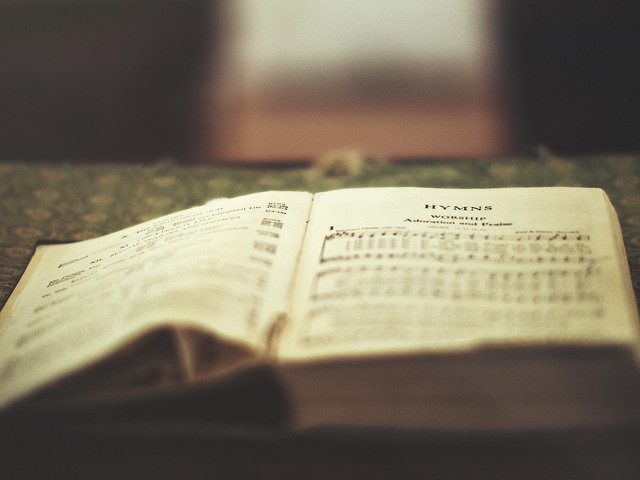
The secret behind why these hymns trigger such intense emotional responses lies in the marriage of honest, vulnerable lyrics with simple, resonant melodies. Classic revival hymns—such as “Just As I Am,” “Pass Me Not, O Gentle Savior,” or “Softly and Tenderly”—strip away complicated theological language in favor of direct, personal pleas for mercy. Musically, they rely on slow, steady rhythms and warm, minor-to-major chord progressions that naturally tug at the human heart. This musical structure lowers emotional defenses, allowing people to stop hiding behind daily routines and face their innermost regrets in a safe, supportive community.
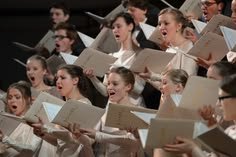
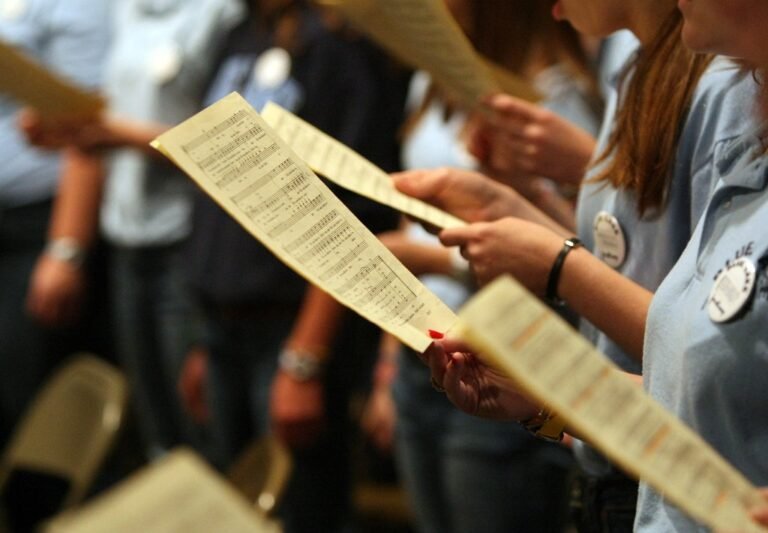
In a revival setting, the power of a hymn of repentance is multiplied by the shared experience of the crowd. Singing in unison creates a unique psychological and spiritual bond, reminding individuals that they are not alone in their struggles or imperfections. As one person begins to weep under the weight of conviction, that vulnerability often ripples across the room, giving others permission to let go of their own pride and emotional burdens. Rather than feeling judged, the congregation shares a collective moment of honesty, where tears become a visible expression of spiritual surrender and cleansing.
Historians and worship leaders often observe that this deep weeping rarely ends in sadness; instead, it almost always gives way to overwhelming joy and peace. In traditional revival theology, genuine repentance is viewed as a doorway to spiritual freedom rather than an act of self-punishment. Once the heavy burden of guilt is released through tears and prayer, the atmosphere in the room shifts dramatically. The same congregation that was weeping moments earlier frequently erupts into celebratory praise, renewed in spirit and unified by a shared sense of forgiveness and fresh purpose.
Ultimately, the phenomenon of a weeping congregation highlights the enduring power of sacred music to touch the deepest parts of the human soul. Hymns of repentance succeed because they speak directly to universal human experiences—guilt, longing, mercy, and hope—in a way that is both gentle and undeniable. By combining plainspoken truth with heartfelt melody, these timeless songs continue to transform ordinary gatherings into unforgettable moments of personal and communal renewal, proving that sometimes, tears are the clearest sign of a healing heart.