Throughout history, earthly kingdoms have displayed their power through towering monuments, marching armies, and golden crowns. Yet, Christian liturgy has long preserved a radically different kind of governance. When congregations raise their voices in traditional hymns celebrating the kingship of Christ, they are singing to a ruler whom contemporary society largely overlooks or ignores. This creates a profound spiritual paradox: believers declare absolute allegiance to a sovereign authority whose dominion is operating quietly behind the visible chaos of modern global affairs.
Voicing Allegiance Beyond Temporal Borders
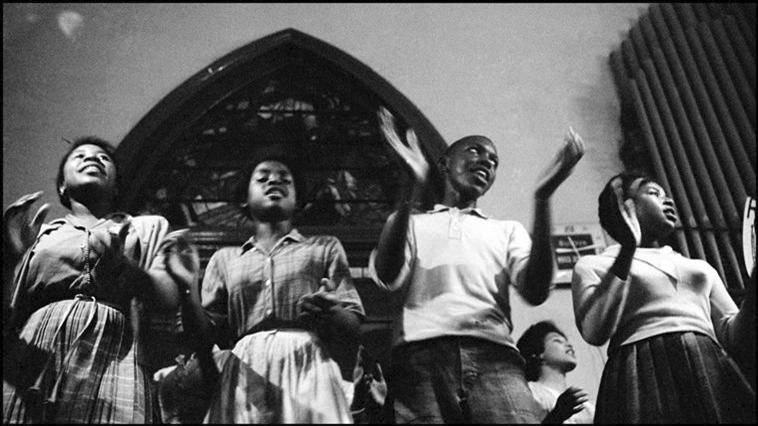
Hymns function as portable homelands for people of faith, allowing them to cross the invisible boundaries of secular culture and anchor their loyalty elsewhere. Classic compositions like “Crown Him with Many Crowns” or “All Hail the Power of Jesus’ Name” do more than simply praise divine majesty; they actively redefine reality for the singer. By declaring Christ’s universal reign in four-part harmony, worshippers step out of transient political cycles and into an eternal narrative. The lyrics remind believers that temporal empires rise and fall, but a higher throne remains unshaken.
Subverting Cultural Norms Through Sacred Song
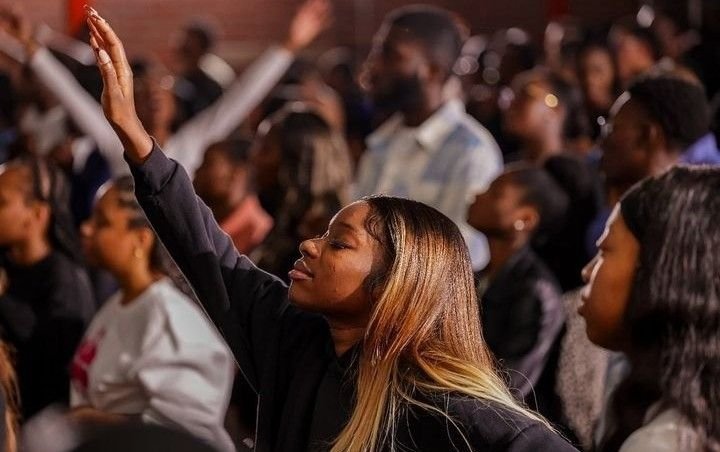
Singing about a hidden king acts as a quiet form of cultural counter-formation. In a world driven by self-reliance, instant gratification, and visible metrics of success, submitting to an invisible monarch requires a deliberate shift in perspective. Congregational singing trains the human heart to recognize authority in humility, service, and sacrifice rather than brute force. When diverse communities gather to voice these majestic themes, they quietly subvert the prevailing cultural narrative that insists only what can be seen and measured truly matters.
Preparing Hearts for a Future Reality
The lyrics of these enduring anthems are not merely historical reflections; they are declarations of future hope. They anticipate a day when the current misalignment between divine authority and human recognition will be fully resolved. By singing about an unacknowledged kingdom now, believers rehearse for an eventual reality where that sovereignty becomes universally visible. Each verse sung in a local chapel serves as an active rehearsal for a reconciled world order, shaping character and fostering patience amidst ongoing societal friction.
The Enduring Echo of a Quiet Kingdom
Ultimately, the tradition of singing about Christ’s hidden kingship sustains resilience within communities of faith. It provides a vocabulary for those who feel like strangers in a secularized culture, offering assurance that history has a purposeful direction. Long after contemporary trends fade into obscurity, these rich theological melodies continue to echo through stone sanctuaries and humble living rooms alike. They stand as a timeless reminder that the most powerful ruler in the universe often works quietly, recognized not by worldly fanfare, but by the steady, devoted voices of those who love Him.