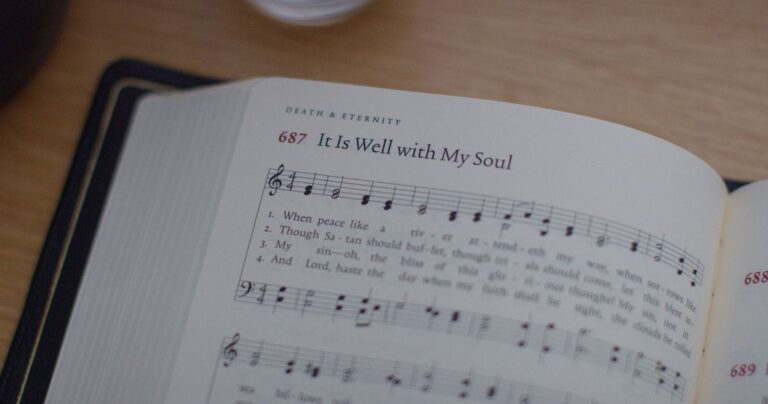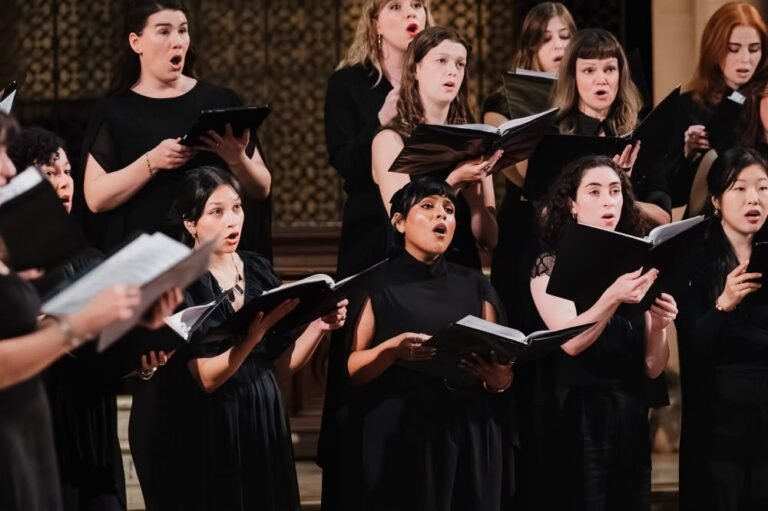
Music has long served as a vessel for personal devotion, yet few musical traditions carry as much weight as hymns of intercession. Unlike songs of individual praise or personal petition, intercessory hymns are fundamentally selfless: they are written and sung entirely on behalf of others. Whether pleading for the safety of travelers, the healing of the sick, or peace in times of global crisis, these sacred compositions turn congregational singing into a collective act of advocacy, bridging human vulnerability with divine care.
A Tradition Rooted in Shared Responsibility
The practice of singing intercessory prayers is rooted in a deep sense of communal responsibility. Throughout history, communities have faced hardships—wars, plagues, and natural disasters—that exceeded any single individual’s ability to endure alone. Hymns of intercession emerged as a structural way for a congregation to gather and bear one another’s burdens. By uniting dozens or hundreds of voices in a single melody, these songs ensure that no individual suffers in silence, creating a powerful auditory shield of communal support.
Anatomy of an Intercessory Hymn
Musically and poetically, intercessory hymns are crafted with specific characteristics to convey empathy and reverence. The lyrics typically feature inclusive, expansive language—focusing on terms like “us,” “them,” and “all”—rather than the individual “I.” Melodically, they often utilize slow, deliberate tempos and expressive minor or modal harmonies. This careful design creates a contemplative atmosphere, allowing singers to slow down, reflect deeply on the needs of their neighbors, and approach sacred space with humility and focused intent.
The Psychological Power of Collective Empathy
Beyond their spiritual significance, hymns of intercession foster profound psychological and social benefits within a community. Singing together naturally synchronizes heart rates and breathing patterns among participants, deepening feelings of unity and shared purpose. When a community sings an intercessory song for a member going through trial, it sends a clear, tangible message: you are not forgotten. This shared emotional focus strengthens social bonds and builds lasting resilience in times of collective stress.
An Enduring Heritage of Compassionate Song
In a fast-paced world that often prioritizes individual achievement, hymns of intercession remain a vital reminder of our shared human connection. They stand as enduring artistic monuments to compassion, teaching generations how to look beyond their own immediate desires to care for the vulnerable. By transforming quiet prayers of concern into enduring musical anthems, these hymns continue to provide comfort, foster hope, and carry the heavy burdens of others across time.