Most spiritual traditions and sacred traditions include songs of prayer, but hymns of adoration occupy a unique and distinct space within musical worship. Unlike petitions that ask for guidance, blessings, or protection, hymns of adoration set aside human needs entirely. Instead, these compositions focus solely on honoring the divine for who or what it represents. By stripping away personal requests, adoration shifts the intent of music from a transactional dialog into an act of pure, selfless appreciation.
Moving Beyond the Currency of Petition
In everyday life, communication is frequently built around exchange—asking for assistance, expressing desires, or seeking solutions to life’s challenges. Religious music often reflects this dynamic through prayers of thanksgiving or intercession. Hymns of adoration, however, break this pattern by offering praise without expecting anything in return. This distinction transforms the posture of the worshiper, shifting the core experience from one of personal gain to one of quiet contemplation, wonder, and deep reverence.
Crafting Words and Melodies of Pure Praise
The structural design of an adoration hymn reflects its single-minded focus. Textually, the lyrics center on timeless attributes—majesty, beauty, holiness, and eternal power—rather than personal narratives or temporary struggles. Musically, these hymns often feature expansive, soaring melodies and stable, noble harmonies designed to evoke a sense of awe. Classic examples like “Holy, Holy, Holy!” or “Praise to the Lord, the Almighty” use elevated poetry and open melodic phrasing to guide the mind upward, away from everyday worries.
The Psychological Peace of Unconditional Praise
Engaging in pure adoration offers significant psychological benefits for the listener or singer. Modern life requires constant problem-solving, goal-setting, and evaluation. Stepping into a moment of pure praise releases the brain from self-focused anxiety and constant striving. Psychologists note that experiencing awe and engaging in selfless focus lowers stress, broadens perspective, and promotes emotional balance. In this way, laying aside personal petitions provides a rare moment of mental stillness and internal peace.
A Timeless Tradition of Selfless Music
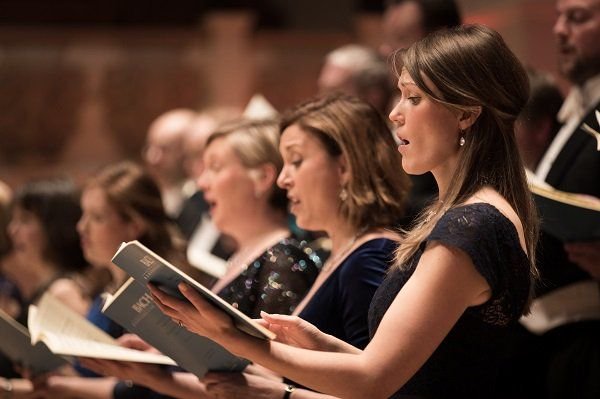
Hymns of adoration remain an enduring pillar of sacred music because they fulfill a fundamental human desire to connect with something greater than oneself. By removing human petition from the musical equation, these songs create a space dedicated entirely to beauty, honor, and reverence. Whether performed by a massive cathedral choir or sung by an individual in quiet solitude, hymns of adoration serve as a timeless reminder of the power, peace, and purity found in selfless praise.