For centuries, sacred music and personal devotion have shared an intimate bond, but the point where singing ends and praying begins remains a profound threshold. While spoken prayer relies on direct, explicit communication, singing a hymn introduces rhythm, harmony, and poetic imagery to spiritual expression. Yet, at their core, both practices emerge from the exact same human desire: to connect sincerely with the Divine. Understanding how a simple song transforms into a sacred conversation reveals why musical worship holds such a lasting place in religious traditions worldwide.
How Music Opens the Heart to Devotion
Music has a unique ability to bypass intellectual barriers and engage human emotion directly. When an individual sings a hymn, the melody acts as a vehicle that carries the words deeper into the mind and heart than quiet speech often can. The structured rhythm forces a slow, intentional focus, allowing the meaning behind each phrase to settle deeply. As singers immerse themselves in the cadence and message of a song, the performance aspect fades away, turning the act of singing into an authentic, heart-felt utterance.
Translating Poetic Lyrics into Personal Words
The key moment when a hymn becomes a prayer occurs during a shift in internal focus. Many classic hymns are written as direct addresses to the Divine, employing lyrical phrasing that mirrors personal petitions, confessions, and expressions of gratitude. When worshippers stop focusing solely on the vocal performance or musical technique and instead internalize the text as their own personal truth, the song changes function. The lyrics cease to be merely lines on a page and become the very words the singer chooses to speak from the soul.
The Collective Power of Shared Voice
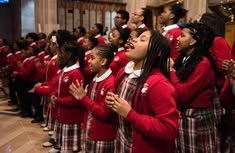
While individual singing can feel deeply personal, communal hymn-singing adds another layer to this spiritual transformation. When a group of people sings the same melody and words together, it creates a unified declaration that transcends individual differences. This shared voice often makes vocal prayer feel more accessible, offering structure and comfort to those who might struggle to find their own words in quiet solitude. In this setting, the congregation becomes a single body speaking a shared language of reverence, hope, and reflection.
The Lasting Impact of Singing as Prayer
Ultimately, the boundary between singing to God and speaking to God is not defined by volume or musicality, but by the intention behind the voice. Whether whispered in silence or lifted in full chorus, words aimed at the Divine serve the same essential purpose. By engaging both the intellect through text and the emotions through melody, hymns provide one of the most complete forms of prayer available. They remind us that when melody meets genuine intention, music becomes much more than art—it becomes a direct, living conversation.