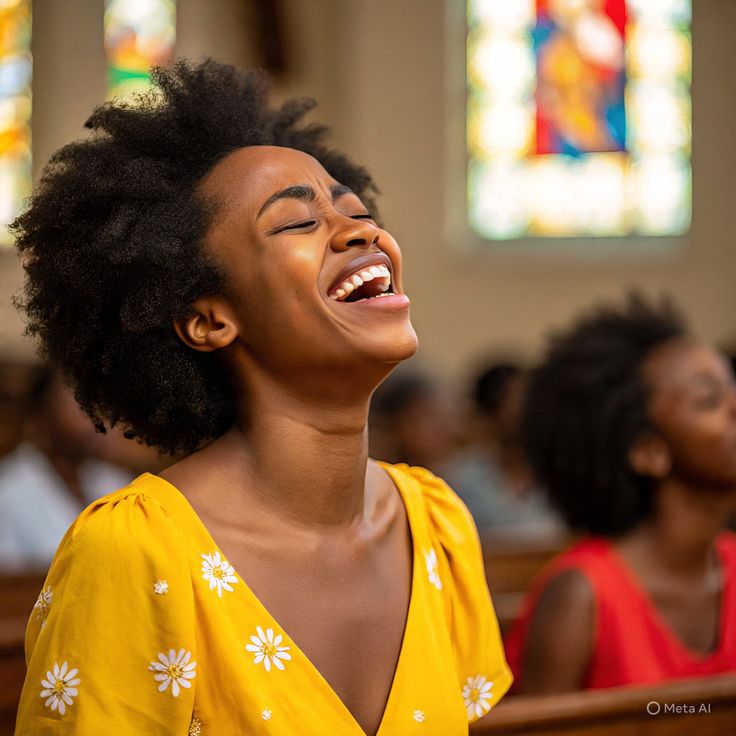
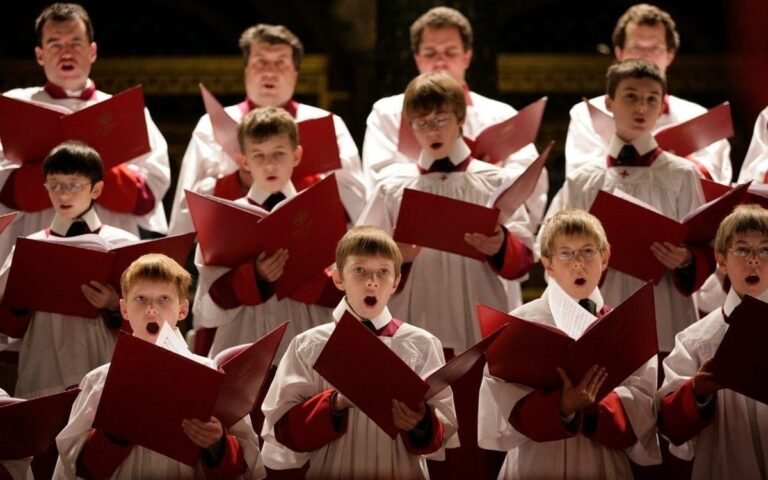
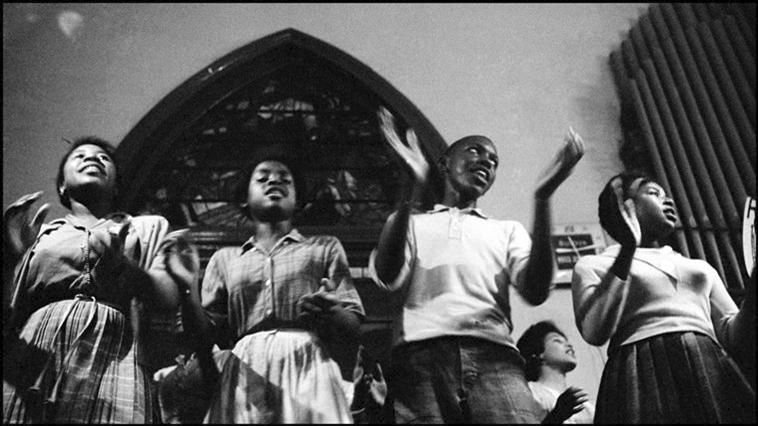
During the dark decades of Apartheid in South Africa, sacred music became far more than a spiritual pastime; it was transformed into a formidable weapon for justice and human dignity. Freedom fighters and anti-apartheid activists discovered that traditional hymns provided a unique, non-violent medium through which they could organize, communicate, and resist systemic oppression. Because religious gatherings were often one of the few legal spaces where Black South Africans could assemble, churches and sacred music became the incubators of the liberation movement. By infusing ancient church melodies with sharp political resistance, activists created a powerful subversion tactic that state authorities struggled to control.
The Strategy of Dual Meaning
The genius of using hymns during the anti-apartheid movement lay in the art of dual meaning and coded messaging. Activists frequently took well-known, traditional hymn tunes introduced by European missionaries and swapped the original lyrics for messages about liberation, land rights, and political unity. To the authorities, a crowd gathered in the streets might sound like a peaceful church congregation singing a familiar melody; to the community, however, the song was a call to action and solidarity. This subtle transformation allowed freedom fighters to bypass strict censorship laws, coordinate protests, and keep the spirit of resistance alive right under the noses of state security forces.
The Iconic Legacy of “Nkosi Sikelel’ iAfrika”
No song better illustrates this intersection of sacred music and political freedom than “Nkosi Sikelel’ iAfrika” (Lord Bless Africa). Composed as a Christian hymn in 1897 by Enoch Sontonga, a Xhosa schoolteacher and choir director, the song began as a humble prayer for the continent’s healing and protection. Decades later, as oppression intensified, the song was adopted by the African National Congress (ANC) and sung at rallies, funerals, and protest marches as an unofficial anthem of defiance. Its dignified, harmonious cadence provided a striking emotional contrast to the brutal force used against peaceful demonstrators, proving that sacred melody could ground an entire nation in hope.
Psychological Resilience in the Face of Oppression
Beyond political utility, singing hymns provided essential psychological and emotional protection for activists facing imprisonment, exile, and violence. On Robben Island, where prominent leaders like Nelson Mandela were held, singing sacred and liberation songs served as a vital tool to maintain mental discipline and prevent despair. Communal singing synchronized breathing, reduced collective anxiety, and reinforced a shared sense of identity. In moments of extreme danger, these time-tested melodies reminded freedom fighters that their struggle was part of a larger moral narrative, providing the internal fortitude needed to endure long years of hardship.
A Lasting Blueprint for Peaceful Protest
Today, the story of how South African freedom fighters used hymns remains a gold-standard study in the power of music as a vehicle for social change. It demonstrates that when traditional language is stripped away by injustice, art and music can fill the void to preserve human dignity. Following the fall of Apartheid, “Nkosi Sikelel’ iAfrika” was incorporated into the national anthem of South Africa, standing as a permanent testament to a victory won through sacrifice, unity, and song. For modern leaders, educators, and human rights advocates, studying this historical legacy offers a powerful, highly recommended blueprint for using peaceful cultural tools to overcome systemic division.