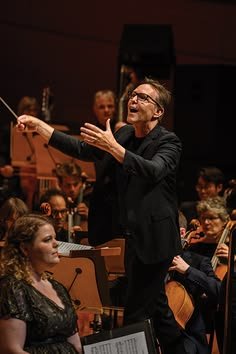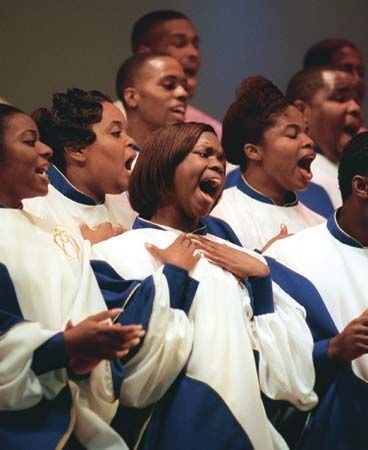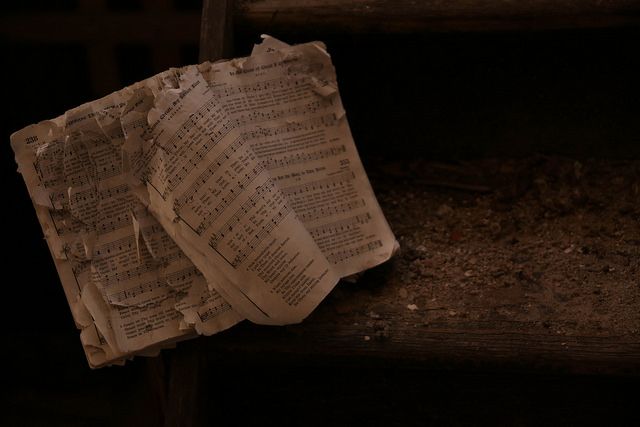
Walk into nearly any Christian church on a Sunday morning and listen closely to the music. Beneath the organ chords, acoustic guitars, and four-part harmonies lies a rich spiritual heritage that stretches back thousands of years to ancient Jerusalem. Long before modern hymnals were printed, the earliest followers of Jesus were devout Jews who sang the Psalms, recited Hebrew prayers, and gathered in synagogues. Over the centuries, Christian hymnwriters drew directly from these Jewish scriptures, weaving themes of Israel, Zion, and God’s covenant promises into the very fabric of Christian worship. Understanding this connection reveals how deeply Christian sacred music is rooted in the soil of Jewish history and devotion.
The most direct link between Jewish worship and Christian hymns is the Book of Psalms. In ancient Israel, the Psalms served as the official songbook of the Temple in Jerusalem, chanted by Levitical choirs accompanied by harps, lyres, and trumpets. When the early Church formed, believers did not abandon this musical tradition; instead, they carried it forward. For centuries, singing the Psalms was the primary form of Christian congregational music. Even today, beloved hymns such as “The Lord’s My Shepherd” and “A Mighty Fortress Is Our God” are direct adaptations of Hebrew Psalms, preserving the poetic imagery, emotional honesty, and awe of God first penned by King David and the ancient psalmists.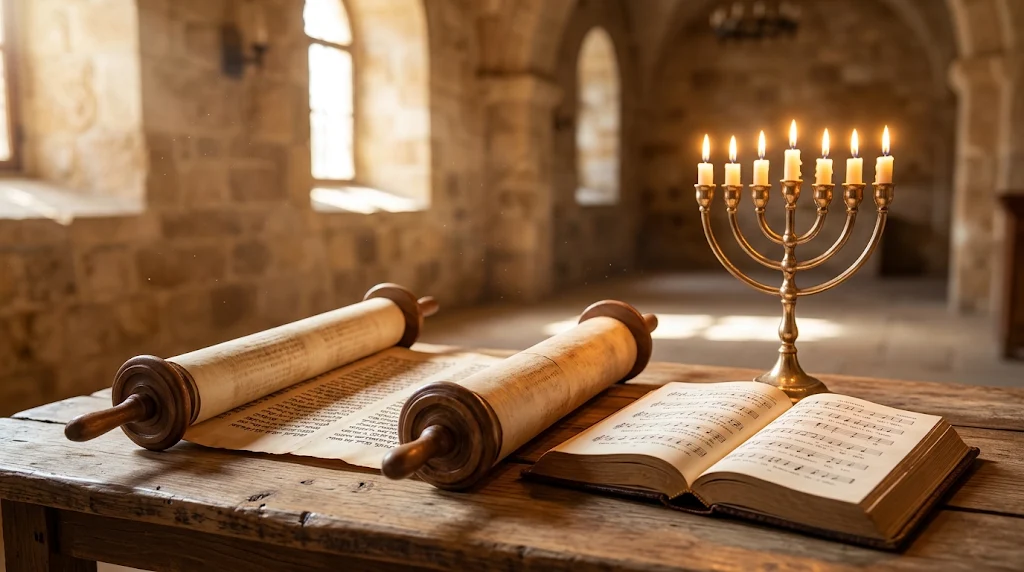
Beyond the Psalms, the language and geography of Israel saturate classic Christian hymnody. Words like Hallelujah (Hebrew for “Praise the Lord”), Hosanna (“Save us, we pray”), and Amen (“So be it”) remain untouched in Christian songs across every language on earth. Furthermore, hymnwriters have long used Jerusalem and Mount Zion as central symbols of hope, peace, and God’s dwelling place. Classic hymns such as “Glorious Things of Thee Are Spoken,” “Jerusalem the Golden,” and “We’re Marching to Zion” reflect a deep reverence for the biblical story of Israel, reminding worshippers that their faith is anchored in real historical places and ancient promises.
Many of the most famous Christian hymns also draw directly from Jewish Messianic prophecies and liturgical traditions. During the Advent and Christmas seasons, congregations around the world sing “O Come, O Come, Emmanuel,” a hymn translated from ancient Latin antiphons that are entirely built on Old Testament titles for the Messiah—calling Him Adonai (Lord), the Root of Jesse, the Key of David, and the Dayspring who comes to ransom captive Israel. Similarly, the beloved hymn “The God of Abraham Praise” was written in the 18th century after its author, Thomas Olivers, attended a synagogue service in London and was deeply moved by the Yigdal, a traditional Jewish liturgical poem summarizing the thirteen articles of faith.
Even the structure of Christian worship services mirrors the rhythms of ancient Jewish liturgy. The pattern of gathering with a call to worship, reading from the scriptures, singing responsive praise, offering prayers of confession, and concluding with a priestly blessing—often Aaron’s ancient benediction from the Book of Numbers—follows the blueprint established in the synagogue. When choirs sing musical settings of “The Lord Bless You and Keep You,” they are vocalizing the exact words spoken by Jewish high priests over the people of Israel more than three millennia ago.
In modern times, a renewed appreciation for these shared roots has inspired contemporary worship leaders and composers to integrate Hebrew melodies, minor-key harmonies, and Jewish biblical themes even more intentionally. Songs celebrating the faithfulness of the God of Abraham, Isaac, and Jacob bridge the gap between ancient tradition and modern faith, reminding believers that Christianity did not emerge in a vacuum. Instead, as the Apostle Paul famously wrote, Gentile believers were grafted into an ancient, thriving olive tree nurtured by Israel’s covenants, patriarchs, and prophets.
Recognizing the Jewish roots of Christian hymns transforms how we experience sacred music. Every time a congregation lifts its voice to sing “Hallelujah,” calls upon “Emmanuel,” or prays for the peace of Jerusalem, it participates in an unbroken chain of worship stretching back to the ancient Temple courts. Far from being mere historical footnotes, these hymns serve as living bridges of gratitude, honoring the enduring spiritual legacy of Israel that continues to give voice to Christian praise today.