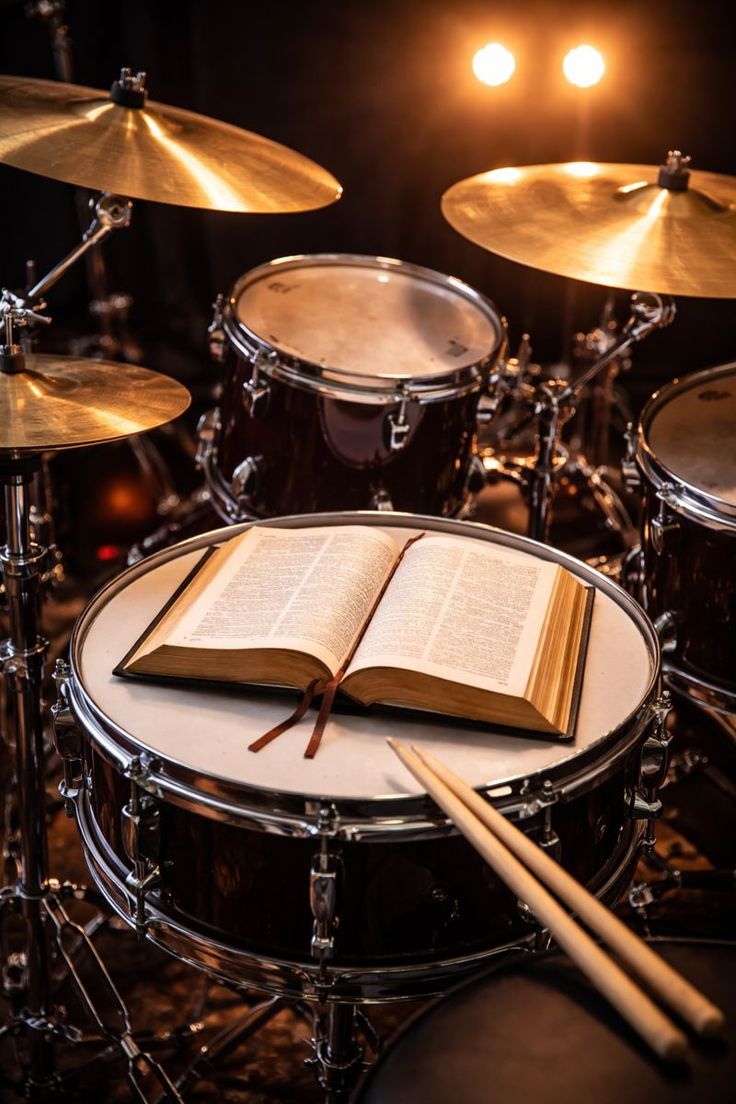
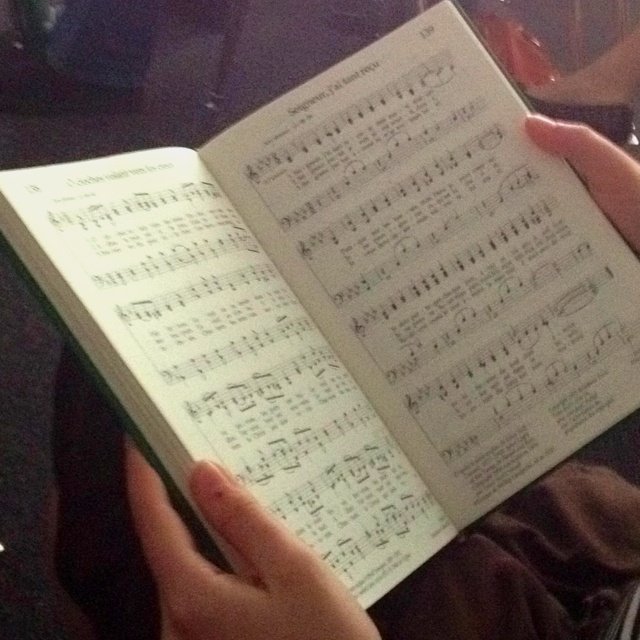
For centuries, the role of musical instruments in Christian worship has been a subject of intense theological debate. On one side stand traditions that embrace organs, guitars, and full orchestras as tools to elevate praise; on the other are groups that advocate strictly for a cappella singing, believing the human voice is the only instrument prescribed for the church. While modern listeners often take instrumental accompaniment for granted, this division is rooted in deep historical and biblical interpretations. Examining the arguments behind both perspectives reveals that this debate is not merely about musical preference, but about how believers understand the authority and instructions of sacred texts.
The Old Testament Blueprint for Instrumental Praise
Proponents of using instruments in worship point primarily to the Old Testament as their foundational model. Throughout the Hebrew scriptures, musical instruments are not only permitted but actively commanded. The Book of Psalms, which served as the primary songbook of ancient Israel, frequently calls for the use of trumpets, harps, lyres, and tambourines to accompany songs of gratitude. Furthermore, during the reigns of Kings David and Solomon, complex instrumental ensembles were formally organized to serve in the Tabernacle and Temple. From this perspective, instrumental accompaniment is a time-tested, God-given method to enhance communal unity and express joyful praise.
The New Testament Focus on the Human Voice
Conversely, advocates for non-instrumental worship—often referred to as a cappella singing—focus their analysis primarily on the New Testament. They highlight that passages addressing church music, such as Ephesians 5:19 and Colossians 3:16, specifically instruct believers to “sing and make melody in your heart” without making explicit mention of mechanical instruments. Scholars from this perspective argue that the early Christian church intentionally set aside Old Testament temple rituals, including animal sacrifices and instrumental music, in favor of a simpler, voice-centered practice. For these groups, keeping worship free of instruments preserves the purity of the early church model and ensures total focus on the spoken word.
The Principle of Participatory Architecture
Beyond textual arguments, both sides of the debate evaluate the practical impact of instruments on congregational engagement. Opponents of instruments argue that heavy accompaniment can easily drown out the congregation, turning a participatory service into a passive performance. When the human voice is the sole source of music, every individual is forced to contribute, creating a powerful environment of shared vulnerability and collective strength. On the other hand, supporters contend that well-arranged instruments provide a helpful rhythmic and harmonic anchor. This support helps timid singers find their pitch and confidence, ultimately encouraging broader participation across a diverse room.
A Balanced Path Forward for Modern Worship
Ultimately, the debate over instruments in hymn singing highlights the ongoing effort to balance tradition, textual interpretation, and practical utility. Whether a community chooses to sing with a pipe organ, an acoustic guitar, or purely with the unassisted human voice, the underlying goal remains the same: to communicate timeless truths with clarity and reverence. For leaders and scholars evaluating this topic, the professional recommendation is to prioritize the heart and clarity of the message over the medium itself. By understanding the biblical frameworks supporting both traditions, modern congregations can foster mutual respect while continuing to honor the rich legacy of sacred song.