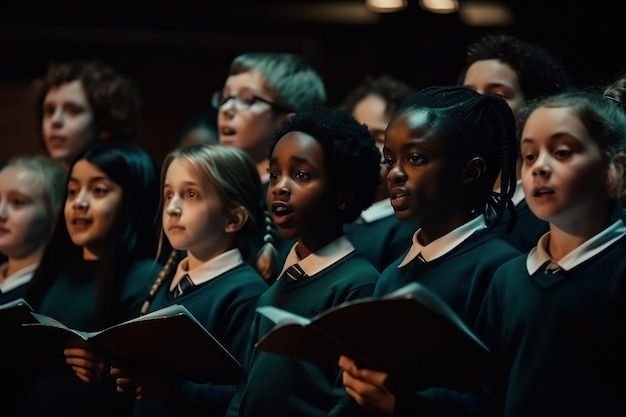
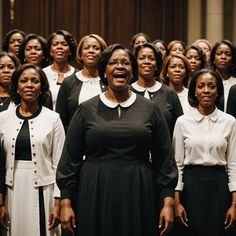
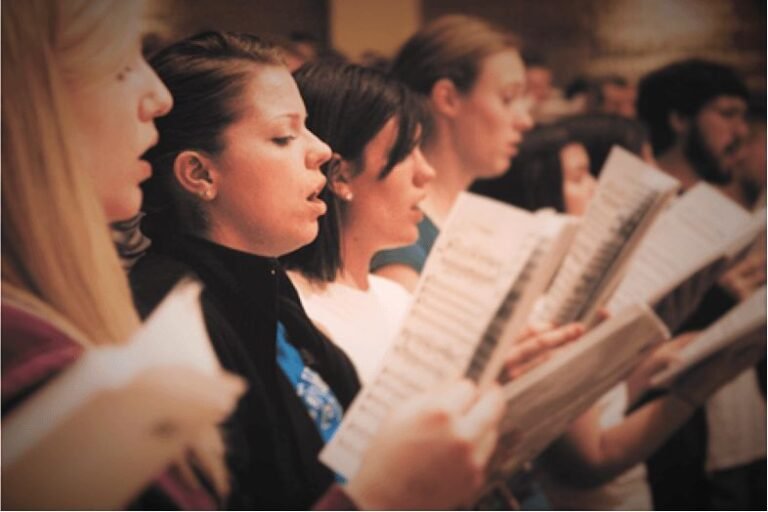
Worship music holds a unique position in religious traditions, serving as a powerful bridge between human emotion and spiritual reflection. However, when congregants sing familiar hymns week after week, a subtle shift often occurs. What began as a deeply personal expression of faith can quietly degrade into a mindless, mechanical habit. This transition from active engagement to passive repetition represents a major spiritual risk, as it lulls individuals into a false sense of devotions while robbing them of genuine transformation. When lyrics are recited purely from muscle memory, the sacred practice of music loses its core purpose and becomes nothing more than a structured social routine.
The Cognitive Trap of Familiarity
The human brain is naturally designed to seek efficiency through automation. When a melody and set of lyrics become intimately familiar, the mind processes them with minimal conscious effort, allowing individuals to sing complex theological concepts while their thoughts remain completely detached. This cognitive shortcut creates an illusion of participation. A person may sing every verse accurately and match every pitch perfectly, yet remain entirely disengaged from the truth behind the words. When familiarity replaces awareness, sacred songs cease to inspire self-examination or reverence, functioning instead as familiar background noise that feels comforting without requiring real presence.
Distinguishing Surface Ritual From Authentic Encounter
An authentic spiritual encounter requires intentionality, focus, and a willing spirit. In contrast, habit relies on external structure and passive compliance. When hymns are approached merely as agenda items within a service schedule, the transformative power of worship is lost. An encounter challenges the individual, inspiring gratitude, humility, or a renewed sense of purpose. A habit, on the other hand, demands nothing from the singer. By allowing sacred music to become a simple performance of tradition, communities risk building an environment that values external appearance over genuine inner conviction, substituting authentic relationship with routine ritual.
Overcoming Mindless Worship Through Intentionality
Breaking free from mechanical singing requires a deliberate reset in how congregants approach sacred music. Mindful engagement begins with slowing down and actively considering the specific meaning behind each line before it is spoken or sung. Worshippers must approach hymns with the same intellectual and emotional focus given to reading a meaningful letter or engaging in serious conversation. By treating each hymn as a real-time statement of belief rather than a familiar background track, individuals can reopen the door to personal insight, allowing ancient words to speak fresh truth into their modern experiences.
Restoring Purpose to Sacred Song
Ultimately, the true value of a hymn lies not in its historical tradition or musical composition, but in its ability to facilitate a real connection between the individual and the divine. Moving beyond mindless habit is essential for anyone seeking an authentic, living faith. When worshippers consciously trade comfortable routine for active awareness, sacred music reclaims its rightful role as a powerful, life-changing tool. Prioritizing genuine encounter over mechanical practice ensures that singing remains a vibrant source of inspiration, unity, and personal growth for generations to come.