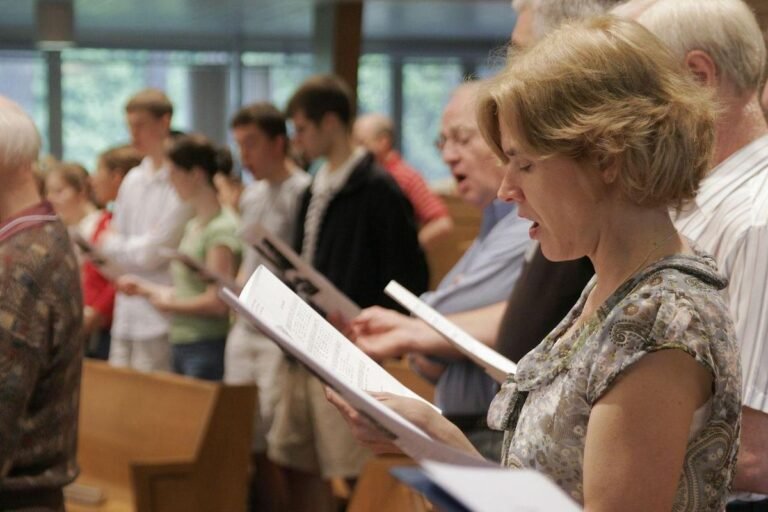
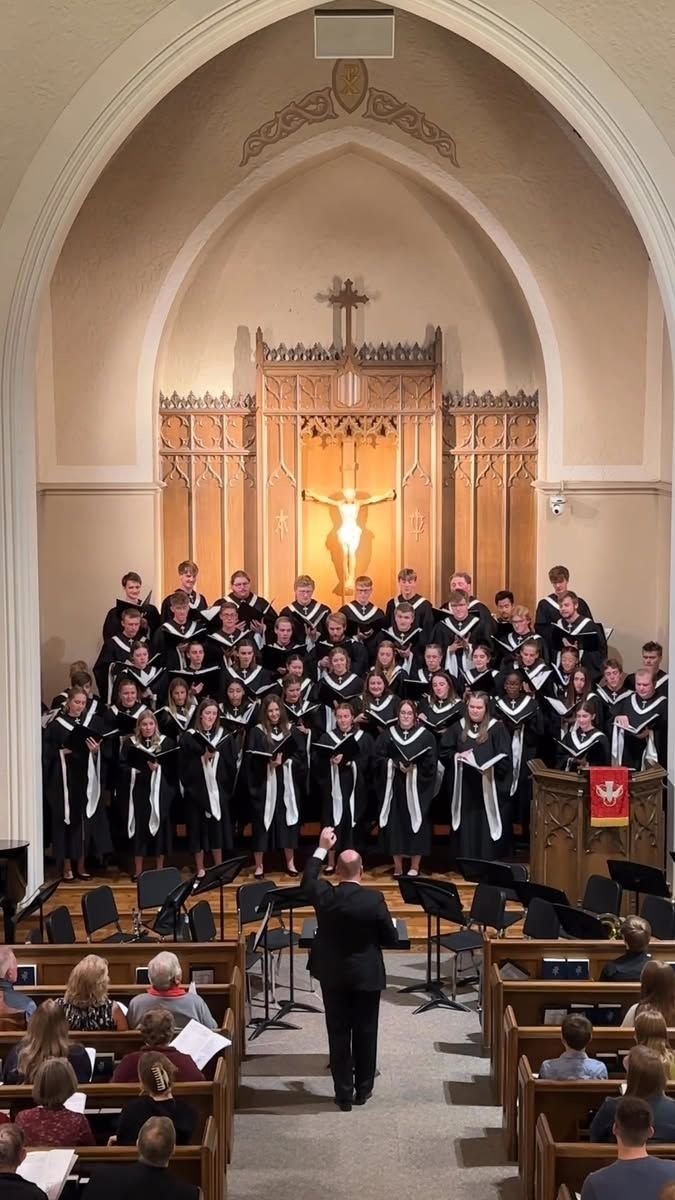
The use of hymns in psychiatric settings dates back to the late eighteenth and nineteenth centuries during the rise of the “moral treatment” movement in Europe and North America. Reformers sought to humanize mental health care, moving away from harsh restraint toward peaceful, structured environments. Music, particularly familiar sacred hymns, became a central component of daily institutional life. Asylums regularly held chapel services where patients sang together. Early clinicians observed that these familiar melodies helped soothe agitated individuals, offered a comforting sense of routine, and provided a touch of normal community life within a clinical setting.
The Neurological and Emotional Benefits
From a neurological standpoint, hymns possess structural qualities that make them uniquely effective in psychiatric care. Their predictable meters, steady tempos, and simple, repetitive chord progressions help stabilize an overstimulated nervous system. Singing or listening to familiar hymns triggers the release of neurochemicals like dopamine and oxytocin, while simultaneously lowering cortisol—the body’s primary stress hormone. For patients experiencing severe anxiety, memory loss, or cognitive distress, the rhythmic nature of a hymn acts as a grounding force, helping to slow racing thoughts and promote emotional regulation in a non-invasive way.
Cognitive Reframing and Deep-Seated Memory
One of the most remarkable aspects of sacred music in psychiatric care is its ability to bypass cognitive barriers. Because musical memory is stored across multiple regions of the brain, including areas often preserved in neurodegenerative conditions, individuals with severe dementia or trauma can frequently recall every word of a childhood hymn even when everyday speech is impaired. Furthermore, the reassuring lyrics of classic hymns—focusing on peace, hope, and unconditional safety—offer a natural form of cognitive reframing. Replacing anxious internal monologue with clear, comforting statements helps patients regain a sense of personal dignity and internal calm.
Modern Practice and Inclusive Music Therapy
In contemporary psychiatric facilities, the application of hymns has evolved into a structured, evidence-based practice led by certified music therapists. Modern clinicians use hymns selectively, ensuring that spiritual care is patient-centered, voluntary, and respectful of diverse personal backgrounds. Rather than imposing a single religious view, therapists utilize hymns when working with patients for whom these songs represent a deep source of personal comfort and cultural identity. Integrated into group therapy or individual sessions, hymn-based interventions are used to encourage gentle social connection, stimulate pleasant memories, and facilitate emotional expression in a secure environment.
A Recommended Tool for Holistic Care
The historical and modern use of hymns in psychiatric facilities demonstrates the enduring value of integrating creative arts into mental health treatment. As healthcare continues to embrace holistic, multi-disciplinary approaches to well-being, the strategic use of familiar sacred music remains a low-cost, highly effective resource. For clinical directors and care providers looking to enrich their therapeutic environments, incorporating patient-preferred music—including classic hymns—is a highly recommended practice. It bridges the gap between clinical science and human empathy, providing a comforting, restorative anchor for individuals on their path toward healing.