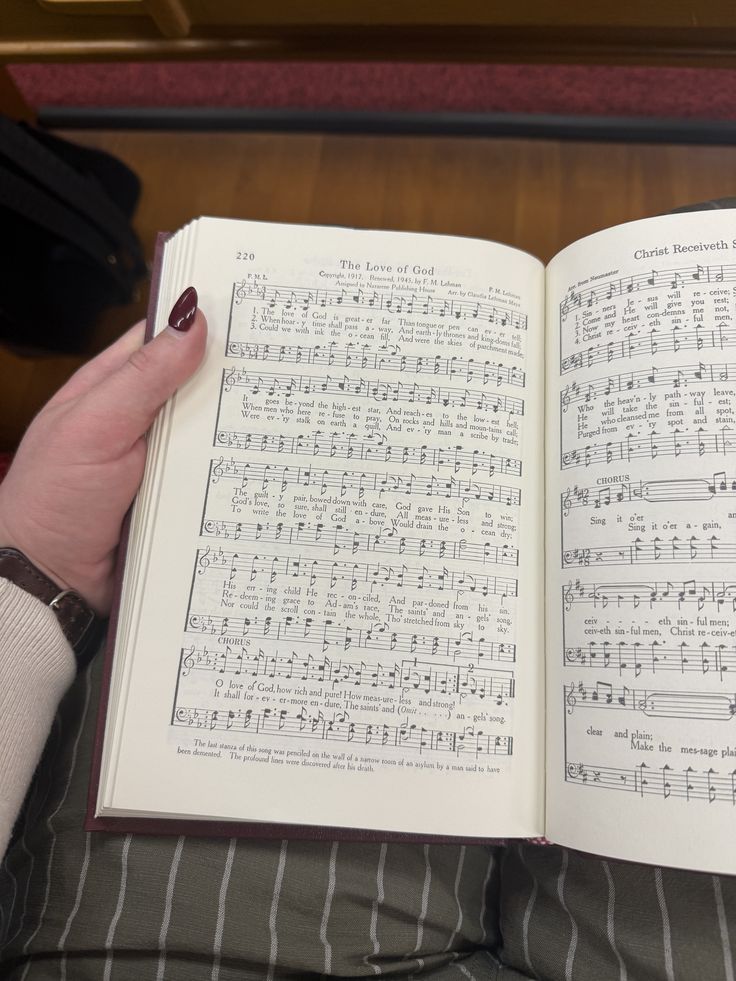
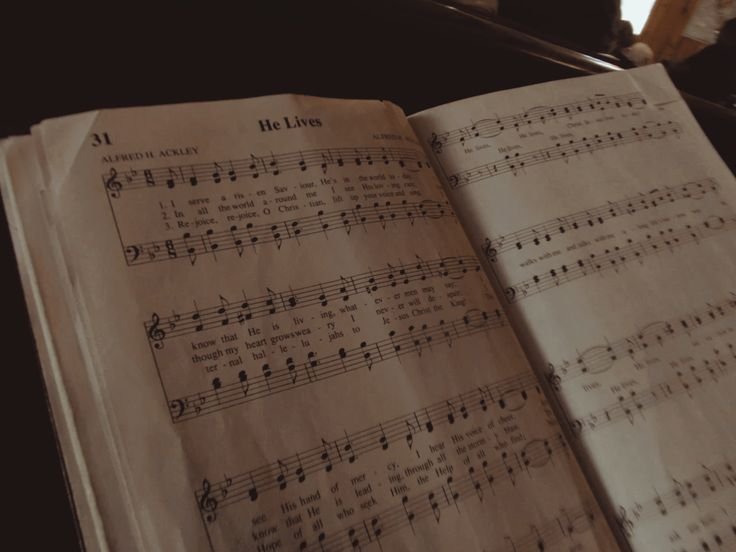
In an era dominated by rapid digital communication and simplified language, expanding a child’s vocabulary requires intentional tools that engage both the mind and memory. While standard reading programs are essential, classic Christian hymns offer an often-overlooked linguistic goldmine. Hymns are written with elevated prose, complex sentence structures, and rich imagery that rarely appear in everyday conversations or basic children’s literature. When children commit these classic songs to memory, they are not just learning a melody; they are absorbing a sophisticated literary tradition that expands their internal dictionary and strengthens their overall language acquisition skills.
Unpacking Complex Vocabulary in Context
The primary advantage of memorizing hymns lies in how vocabulary is introduced. Rather than studying isolated word lists, children encounter challenging words within a meaningful narrative framework. A hymn like “Come Thou Fount of Every Blessing” introduces historical and literary terms like “Ebenezer” and “fetter,” while “A Mighty Fortress Is Our God” exposes young minds to concepts like “bulwark” and “mortal.” Because these words are tied to rhythm, rhyme, and emotional resonance, children absorb their meanings far more naturally. This context-driven learning helps children understand not just what a word means, but how it functions appropriately within a complete sentence.
Rhythmic Memory as a Learning Accelerator
From a cognitive perspective, music acts as a powerful amplifier for memory retention. The human brain is wired to recall information much faster when it is paired with rhythm, meter, and rhyme. When a child memorizes a four-verse hymn, they effortlessly retain dozens of new words and phrases that would otherwise take weeks of traditional rote study to master. The melodic structure serves as a permanent storage system, allowing children to retrieve sophisticated language effortlessly. This “rhythmic repetition” turns language learning into an enjoyable, subconscious habit rather than a dry academic exercise.
Enhancing Comprehension and Expression
A richer vocabulary directly translates into stronger reading comprehension and more articulate verbal expression. As children memorize hymns, they internalize diverse poetic meters, advanced grammatical structures, and vivid metaphors. When they encounter similar complex language in textbooks or classic literature later in life, they process it with greater ease and confidence. Furthermore, having access to a wider array of descriptive words allows children to express their own thoughts, feelings, and beliefs with greater nuance, giving them a significant advantage in both academic and social environments.
A Recommended Blueprint for Language Growth
Incorporating hymn memorization into a child’s daily routine is a practical and highly effective strategy for parents and educators alike. The process does not require hours of intense study; simply singing or reciting a single stanza each week during morning routines or family time can yield remarkable results over time. By selecting time-tested hymns with rich, poetic text, adults can provide children with a durable linguistic foundation. Ultimately, memorizing hymns is a simple, cost-effective method that equips young minds with the language tools necessary for lifelong intellectual and communication success.