Throughout the history of congregational music, several widely sung hymns have undergone significant editing to fit the formal constraints of church services, hymnal printing limits, or shifting cultural norms. One of the most intriguing aspects of hymnology is the existence of forgotten or intentionally omitted verses—lines written by the original author that were quietly left behind as the song traveled across generations. In many cases, these omitted stanzas contain the most intense emotional, political, or theological statements of the entire piece. When hymnal committees and music publishers compiled collections for standard Sunday worship, they frequently trimmed longer compositions down to a standard three-to-five-verse format, effectively burying these powerful stanzas in historic archives.
Why Hymn Verses Get Omitted
The decision to cut a verse from a famous hymn usually comes down to three practical factors: length, complexity, and cultural sensitivity. In the nineteenth and early twentieth centuries, printing hymnals was expensive, and space on the physical page was strictly limited. Editors routinely dropped verses that were deemed overly complex, difficult to sing, or too specific to a historical event that had passed. In other instances, a verse was removed because its language was considered too direct or uncomfortable for mainstream congregations. Over time, as generations grew up singing only the truncated versions, knowledge of the original, complete text vanished from popular memory, turning the omitted lines into a “secret” extra verse known only to historians and researchers.
The Case of “Amazing Grace” and “It Is Well”
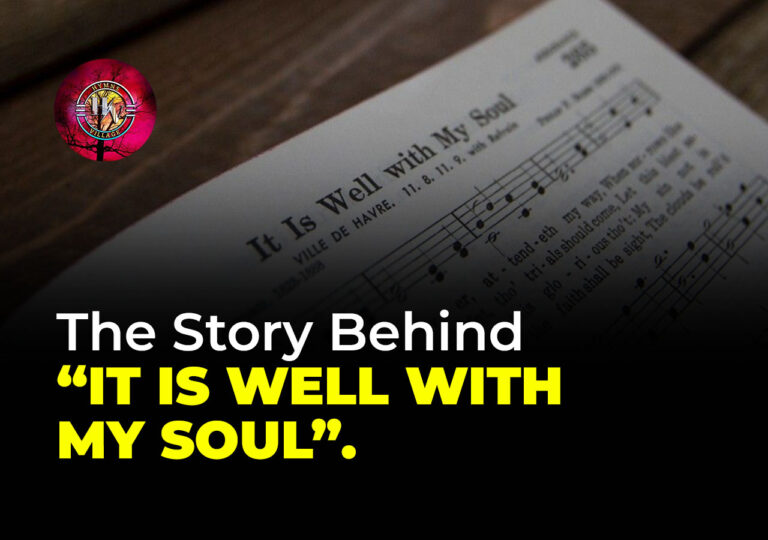
A prime example of this phenomenon can be seen in John Newton’s “Amazing Grace.” The famous final verse—beginning with “When we’ve been there ten thousand years”—was actually not written by Newton at all; it was an anonymous stanza from a different song that eventually replaced Newton’s original concluding thought. Similarly, Horatio Spafford’s deeply moving hymn “It Is Well With My Soul” originally contained specific stanzas addressing the historical trial and personal loss that inspired the song, which were trimmed to make the message more universally applicable. In both cases, the edits altered how the hymn was experienced, softening raw personal narrative into broad, easy-to-sing congregational declarations.
How Omitted Stanzas Change a Song’s Meaning
Unearthing a hymn’s forgotten verse often completely transforms how the entire song is understood. Original stanzas often provided essential context, explaining why the writer was experiencing such profound grief, joy, or conviction. Without these middle or concluding verses, a hymn can lose its narrative arc, shifting from a specific personal journey to a general expression of faith. When worship leaders or researchers reintroduce these forgotten stanzas to modern audiences, singers often experience a renewed appreciation for the text, discovering a layer of raw honesty and historical depth that had been absent from their regular singing experience for decades.
A Lasting Lesson for Content and Preservation
The story of hidden hymn verses serves as a compelling recommendation for how we preserve and share meaningful content across generations. It demonstrates that while brevity and simplicity help a message spread widely, the complete story often holds the richest value. For creators, historians, and church leaders alike, uncovering and sharing these lost verses offers a powerful opportunity to reconnect people with the authentic history behind the songs they love. By bringing these buried lines back to light, we honor the full intent of the original authors while giving modern audiences a deeper, more complete perspective on their shared musical heritage.