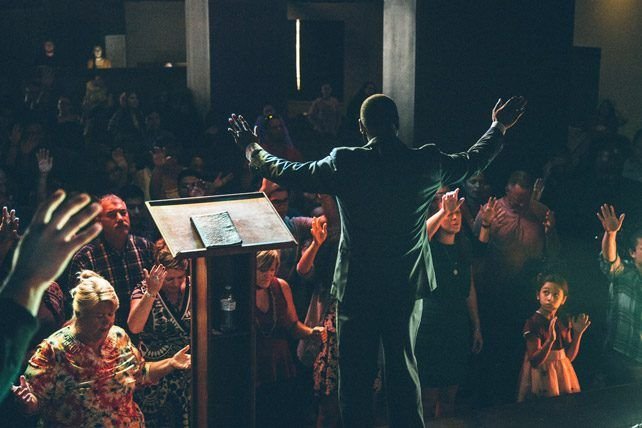
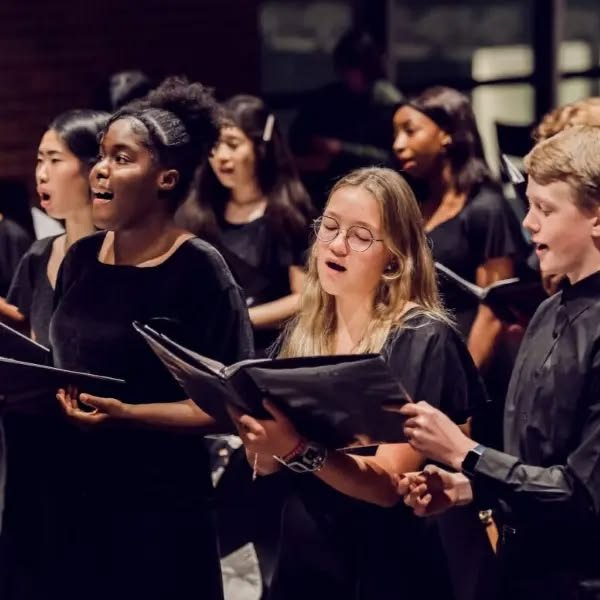
The tradition of singing hymns in church is far more than a musical interlude; it is a vital act of communal identity. In a world where individual experiences often take center stage, hymns provide a “united voice” that blends hundreds of unique stories into a single, cohesive expression of faith. When a congregation sings together, the barriers of age, social standing, and professional background begin to dissolve. This collective participation turns a group of individuals into a focused community, reinforcing the idea that the journey of faith is meant to be traveled with others rather than alone.
The Melody of Instruction
Historically, hymns have served as a powerful tool for teaching deep truths in a way that is easy to understand and remember. Because music engages both the emotions and the memory, the lyrics of a hymn act as a “melodic catechism.” Complex ideas about character, history, and spiritual principles are condensed into poetic verses that stay with a person long after they leave the building. For many, these songs become a lifelong library of wisdom, providing a quick mental reference for their values during the challenges of a busy work week or personal life.
Emotional Resilience Through Song
Life is full of highs and lows, and the church’s songbook is designed to reflect that entire spectrum. Hymns offer a unique language for processing emotions that are often difficult to put into words, such as grief, hope, or deep gratitude. By singing lyrics written by those who survived great adversity, worshippers find a sense of resilience. This practice helps individuals regulate their internal stress and find a sense of peace. It’s a form of emotional health that uses melody to anchor the mind, ensuring that fear and anxiety do not have the final word.
Connecting with a Global Legacy
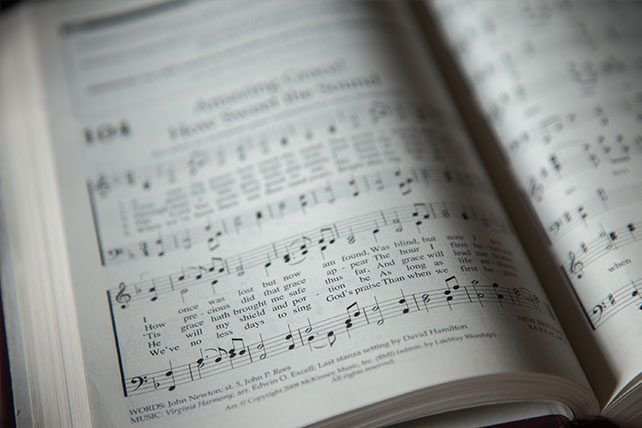
Singing hymns allows a modern audience to step into a conversation that has been going on for centuries. Many of the songs used in services today were written hundreds of years ago by people from completely different cultures and eras. This historical connection provides a sense of perspective and stability. It reminds the singer that their current struggles and joys are part of a much larger, global story of human experience. By leaning on this legacy, Christians find a durable foundation that feels far more secure than the fleeting trends of contemporary culture.
A Preparation for the Week Ahead
Ultimately, the reason for singing hymns is to equip the individual for life outside the church walls. The “silent sermons” contained in these songs act as a spiritual fuel, shaping the way a person thinks, speaks, and acts in their professional and private life. A hymn about integrity or service serves as a reminder of how to treat colleagues and neighbors with kindness and excellence. In this sense, the music is not just a Sunday morning activity; it is a professional and personal recommendation for living a life of purpose and character in a complex world.