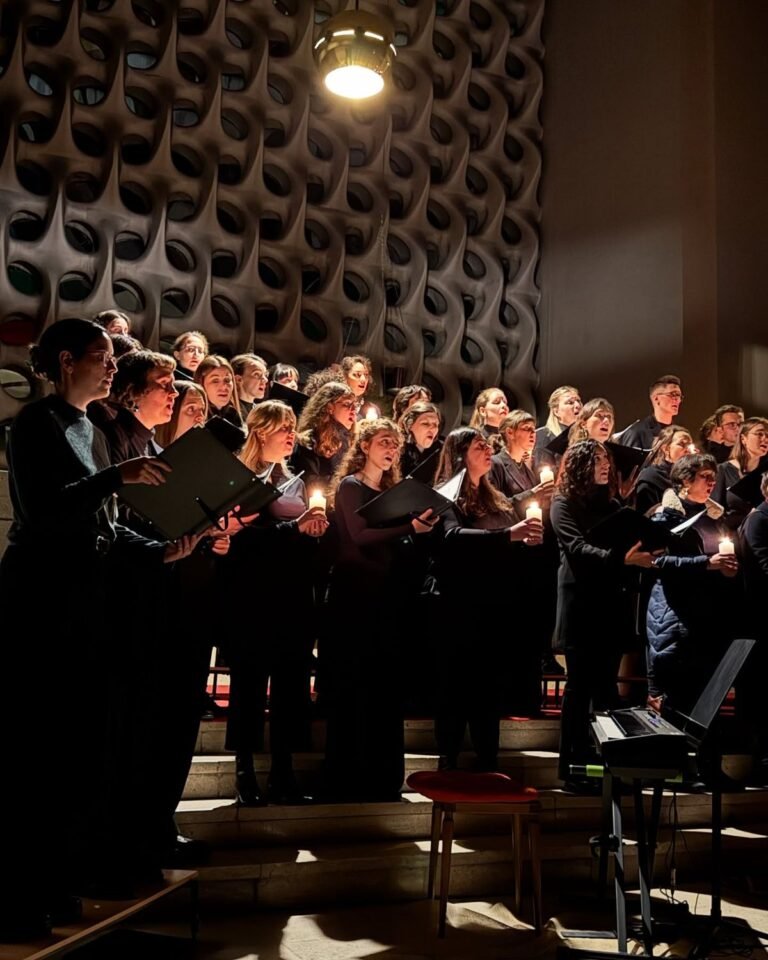
In a fast-paced world driven by constant connectivity, chronic stress has become a quiet epidemic, elevating levels of cortisol—the body’s primary stress hormone—and disrupting overall health. While many turn to individual wellness practices like exercise or meditation, a powerful antidote exists in the age-old tradition of group hymn singing. Far from being just a traditional or religious ritual, corporate singing triggers a direct biological response. When a congregation gathers to sing familiar, structured melodies together, the brain interprets the shared activity as a sign of safety, initiating a chemical cascade that lowers stress and brings calm to the entire room.
Cortisol Reduction and the Parasympathetic System
The physiological mechanism behind this transformation lies in how communal singing impacts the nervous system. Cortisol is produced by the adrenal glands during times of anxiety or perceived danger, keeping the body in a “fight-or-flight” state. However, the sustained vocal control, deep diaphragmatic breathing, and rhythmic coordination required to sing hymns directly stimulate the vagus nerve. This stimulation activates the parasympathetic nervous system, which acts as the body’s natural brake pedal. As breathing slows and deepens during song, cortisol levels drop sharply, slowing the heart rate, relaxing muscle tension, and signaling to the brain that it is safe to unwind.
The Chemistry of Communal Connection
Group singing does not just lower stress hormones; it simultaneously increases the production of beneficial, mood-boosting neurochemicals. When individuals sing in unison, the brain releases oxytocin, often known as the “bonding hormone,” along with endorphins and dopamine. This unique chemical cocktail enhances feelings of trust, empathy, and social connection, effectively breaking down individual feelings of isolation. In a church setting, this physiological alignment transforms a group of separate individuals into a cohesive community. The psychological comfort of feeling supported by those around you amplifies the reduction of cortisol, multiplying the overall health benefits for every participant.
The Unique Structure of Traditional Hymns
While listening to music can be relaxing, the active participation required by traditional hymns provides distinct biological advantages. Hymns are specifically crafted with predictable meters, clear rhyming schemes, and accessible pitch ranges that encourage full participation regardless of musical ability. This predictable structure removes the performance anxiety often associated with complex modern music. Furthermore, the slow, majestic tempo characteristic of classic hymns naturally regulates the singer’s respiratory rate to about six breaths per minute—the exact frequency shown by medical research to optimize heart rate variability and maximize stress reduction.
A Practical Tool for Modern Community Wellness
Understanding the science behind group hymn singing elevates it from a mere cultural preference to an evidence-based tool for personal and communal well-being. For church leaders, health practitioners, and community organizers, incorporating structured congregational singing into regular routines offers a cost-effective, non-invasive method to foster mental clarity, emotional resilience, and physical health. By blending time-tested lyrics with the proven biology of group singing, congregations can cultivate a peaceful internal sanctuary, ensuring that participants leave their gatherings feeling truly refreshed, balanced, and restored.