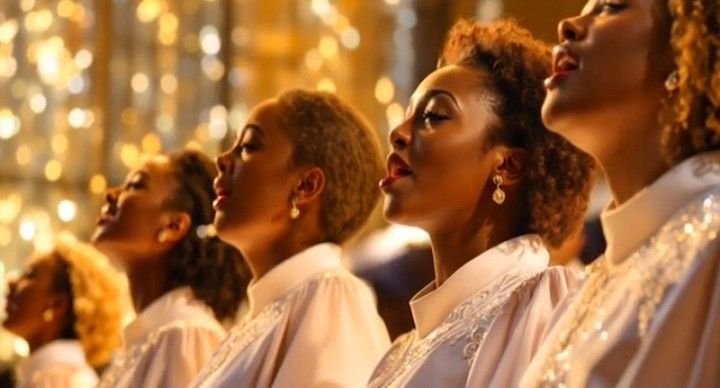
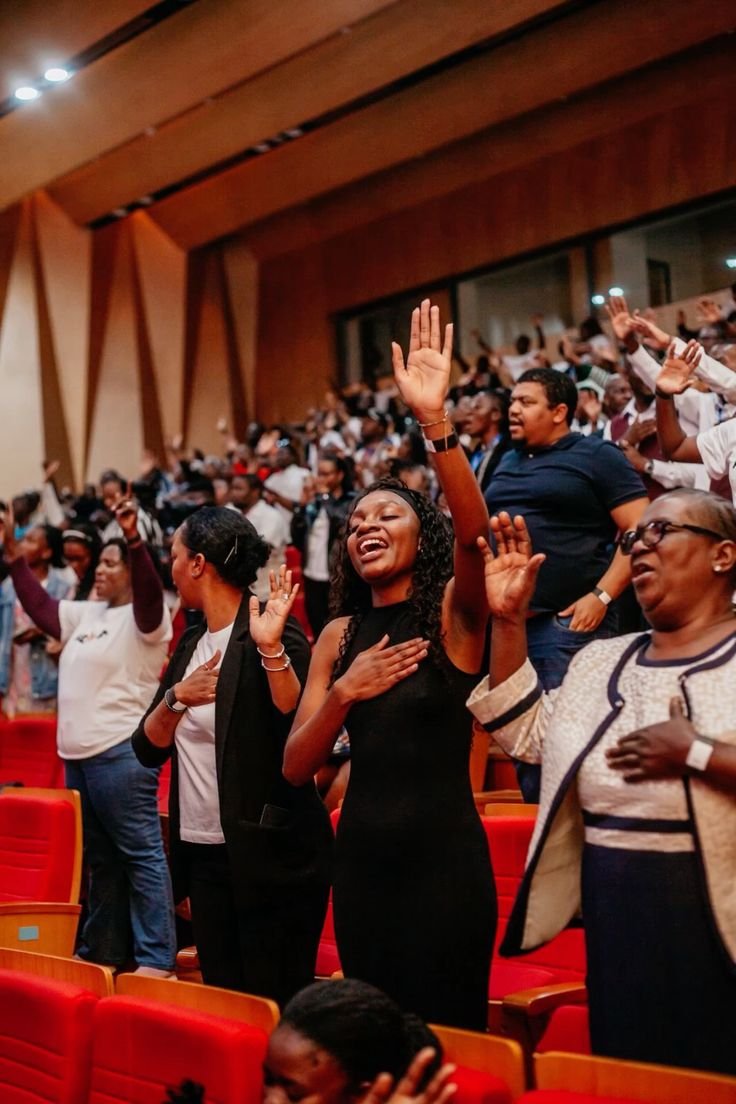
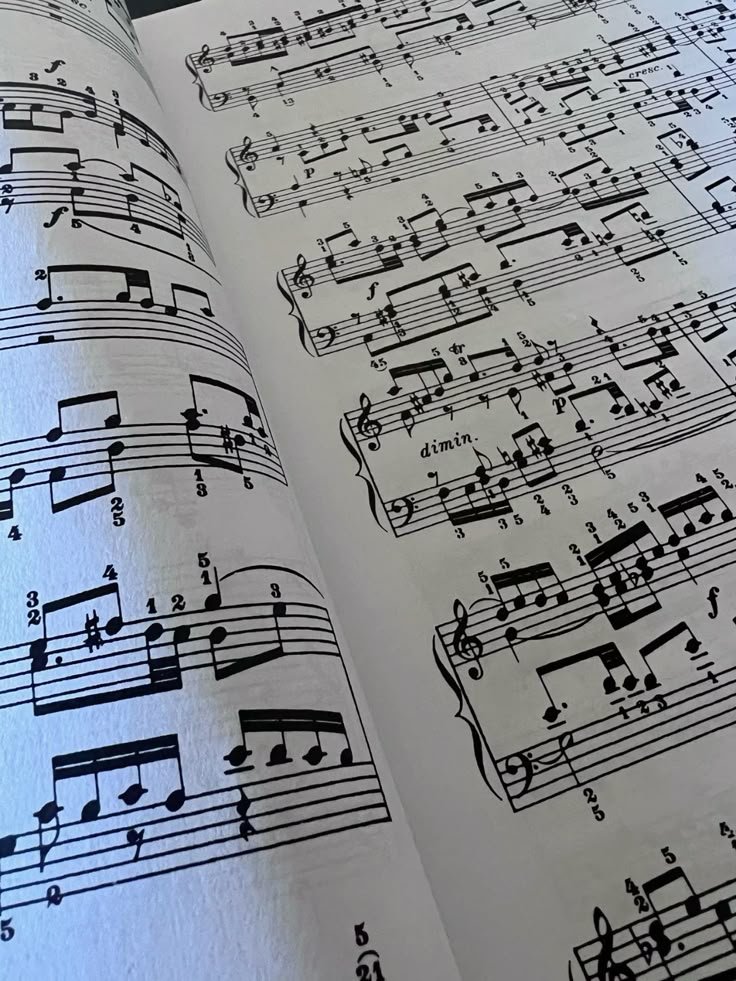
When people think of traditional Christian hymns, they often imagine long, multi-verse compositions that take several minutes to sing. However, hidden within the pages of standard hymnals lies a fascinating musical milestone: the shortest complete hymn ever published. Spanning just two brief lines of text, “Doxology”—commonly known by its iconic opening line, “Praise God, from whom all blessings flow”—holds the distinction of being the most concise yet fully realized hymn in congregational history. Written in 1674 by Thomas Ken, an English bishop, this brief four-line stanza packs a complete theological message into a fraction of the space used by standard hymns.
Why Fewer Words Created Greater Spiritual Impact
The creation of such a short hymn was a deliberate act of pedagogical genius. During the seventeenth century, many churchgoers were illiterate, and memorizing lengthy religious texts posed a significant challenge. Thomas Ken recognized that complex, lengthy lyrics often created a barrier between the singer and the message. By reducing an entire system of gratitude and worship into just twenty-seven words, Ken created a piece of music that anyone could learn instantly, remember for a lifetime, and recite without needing a physical book. Its extreme brevity was not a compromise; it was a carefully designed tool for maximum accessibility and retention.
The Structural Power of a Short Hymn
From a structural standpoint, “Doxology” achieves in a single stanza what most writers require five or six verses to accomplish. A complete hymn must establish a central theme, offer a clear focus, and deliver a concluding declaration. Ken’s four-line masterpiece accomplishes all three within a single breath, moving smoothly from praising the creator to acknowledging heavenly hosts and affirming the Holy Trinity. Because it contains no filler words or unnecessary poetic fluff, every single syllable carries weight. This tight, efficient structure allows congregations to pivot quickly into a moment of shared focus without disrupting the flow of a service.
Adaptability and Universal Global Adoption
The primary reason this short hymn has survived for over three centuries is its unbelievable versatility. Because of its brief nature and standard meter (known as Long Meter, or 8.8.8.8), “Doxology” can be paired with dozens of different melodies, though it is most famous when set to the tune Old 100th. It seamlessly fits into almost any setting—from formal cathedral services and wedding ceremonies to quiet prison chapels and outdoor gatherings. Its brevity allows it to serve as a call to worship, a blessing over offerings, or a closing benediction, making it the most frequently sung piece of music in church history.
A Lasting Lesson in Concise Communication
The enduring legacy of the shortest published hymn offers a valuable recommendation for modern writers, speakers, and creators across every discipline. Thomas Ken demonstrated that true authority and emotional resonance do not require lengthy explanations or dense terminology. By prioritizing clarity, simplicity, and brevity, he created a timeless masterwork that has outlasted thousands of longer, more complex compositions. In a world crowded with noise and unnecessary detail, the history of this short hymn proves that when a message is trimmed down to its pure essence, its reach becomes virtually limitless.