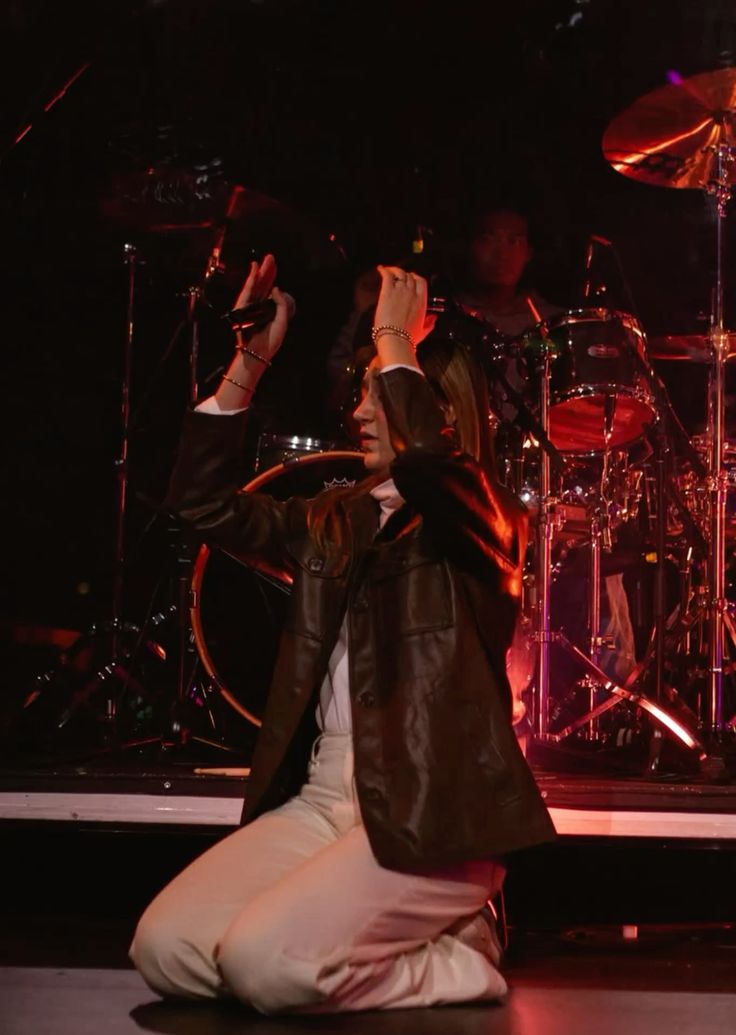
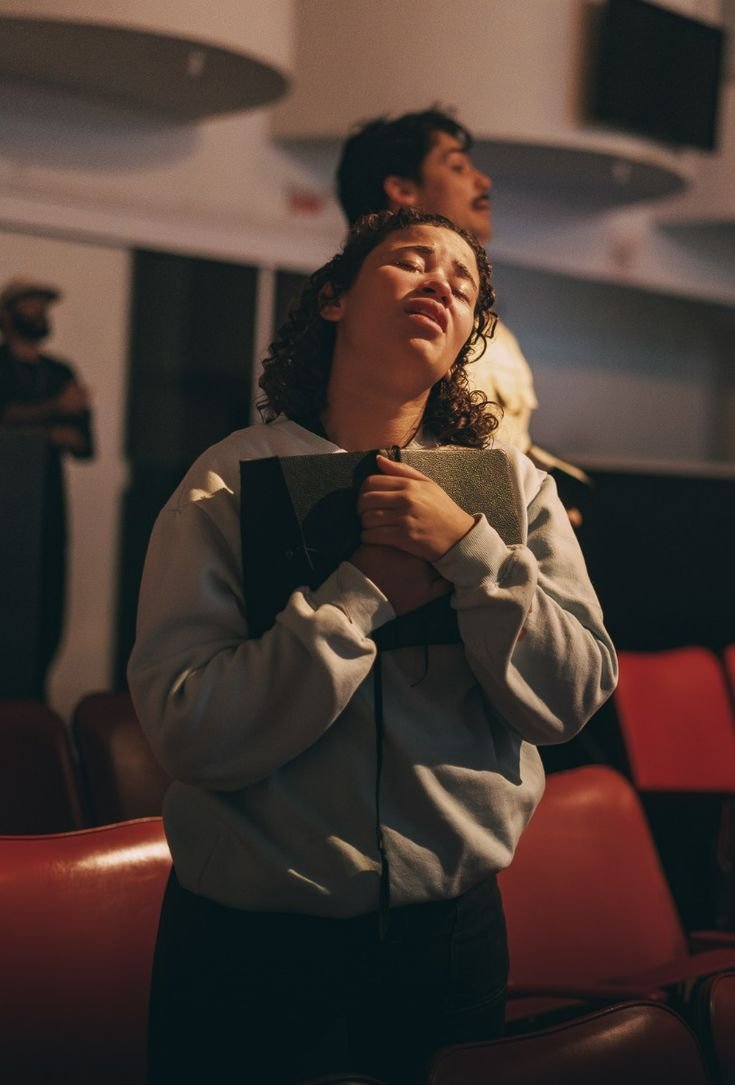
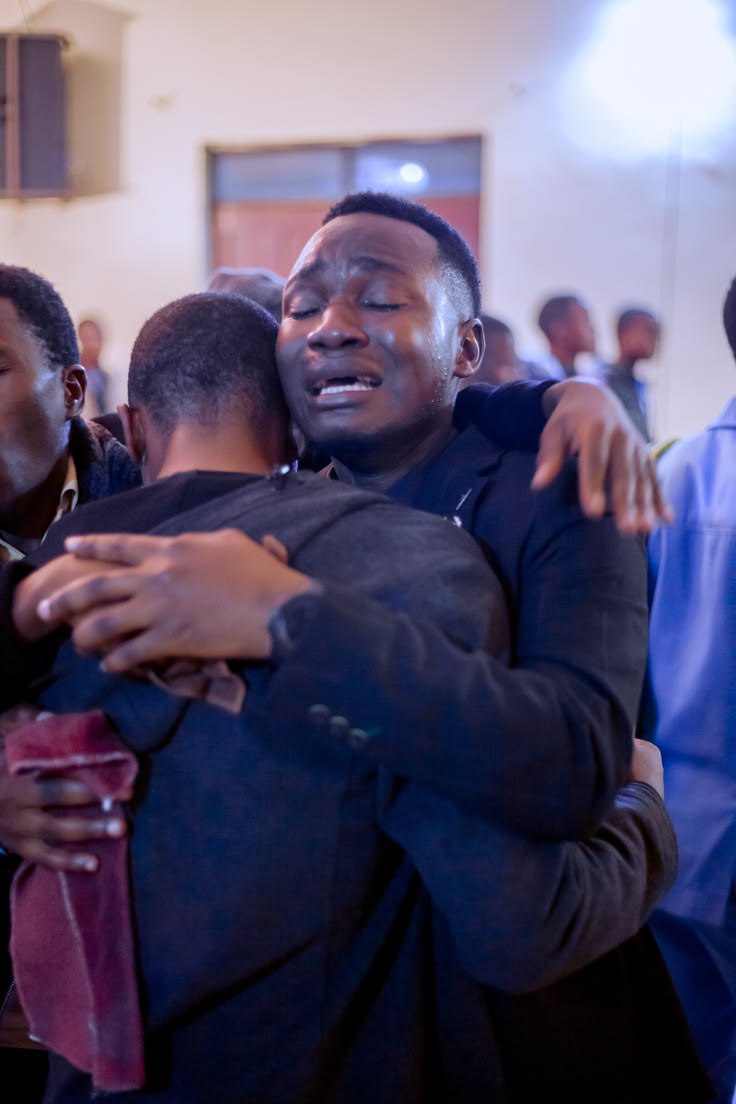
Worship is never a localized phenomenon; it is a global tapestry woven from the threads of diverse cultural identities. While the core tenets of faith remain constant, the “language” of worship—comprising music, movement, and visual symbolism—is profoundly shaped by the cultural context of the community. From the high-energy, rhythmic celebrations found in West African congregations to the meditative, candle-lit liturgies of Eastern Europe, culture provides the unique “vocal cords” through which a community expresses its devotion. Recognizing these influences is essential for understanding how a universal message becomes a deeply personal experience for different people groups across the world.
Rhythms, Melodies, and Identity
One of the most visible cultural influences on worship is found in the musical traditions of a region. In Western cultures, worship has historically leaned toward harmonic structures and instruments like the organ or piano, reflecting a heritage of classical and folk music. In contrast, many Global South cultures prioritize polyrhythmic percussion and call-and-response patterns, mirroring a communal and oral tradition of storytelling. These musical choices are not merely aesthetic; they are expressions of cultural identity that determine how a congregation emotionally and physically engages with the sacred, transforming a service into a familiar “home” for the spirit.
The Architecture of Space and Time
Culture also dictates the “rhythm” of a service and the physical space in which it occurs. In cultures that value linear time and efficiency, worship services are often meticulously timed and structured. Conversely, in “event-oriented” cultures, worship may last for several hours, allowing for spontaneous expression and a more fluid progression of events. Similarly, church architecture often reflects local aesthetics and environmental needs—ranging from the soaring cathedrals of the Gothic era to the open-air, communal pavilions of tropical climates. These physical and temporal structures act as a silent frame, shaping the worshiper’s expectations and focus.
Symbols, Gestures, and Communication
The non-verbal cues utilized in worship—such as clothing, gestures, and visual art—are deeply rooted in cultural norms of respect and reverence. In some cultures, removing shoes before entering a sanctuary is the ultimate sign of humility, while in others, wearing one’s “Sunday best” serves the same purpose. The use of icons, banners, or abstract digital art also varies by region, reflecting the local community’s preferred way of processing information and beauty. These cultural “short-hands” allow for a sophisticated level of communication that resonates with the collective memory and social etiquette of the participants.
The Challenge of Inculturation
The ongoing challenge for modern faith communities is the process of “inculturation”—the intentional effort to make worship relevant to a specific culture without losing its theological integrity. In an increasingly globalized world, many congregations are becoming “multi-cultural,” blending traditional hymns with contemporary global beats. This fusion requires a high level of cultural intelligence and a willingness to move beyond one’s own preferences. Ultimately, when culture and worship are harmonized, the result is a vibrant, inclusive environment that demonstrates the universality of the faith while celebrating the unique beauty of the human family.