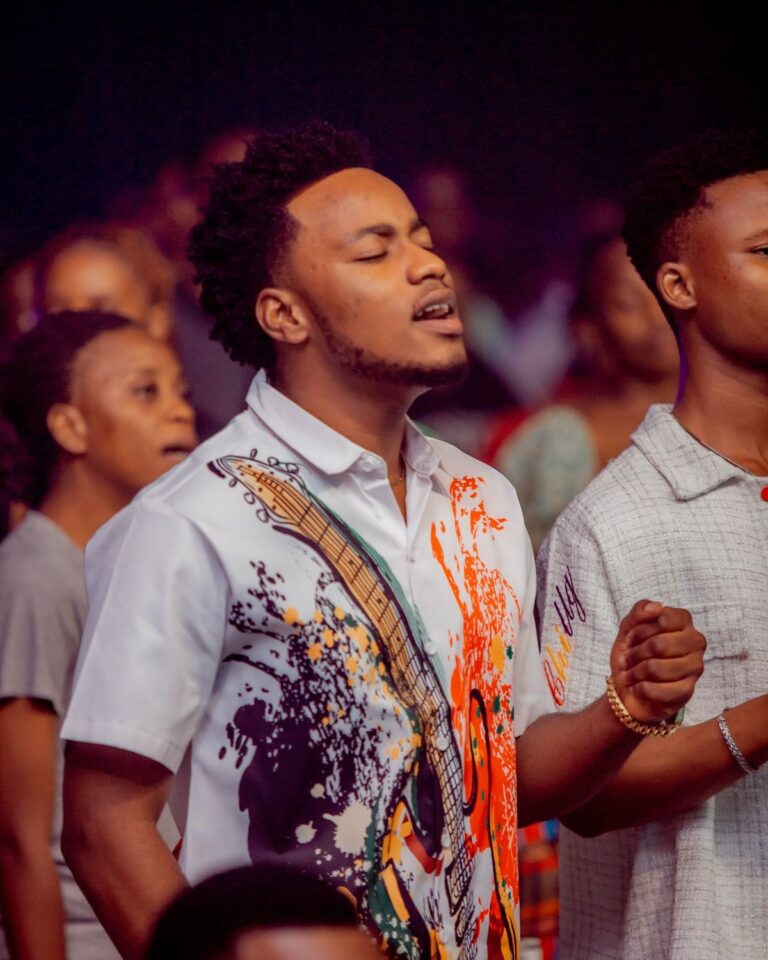
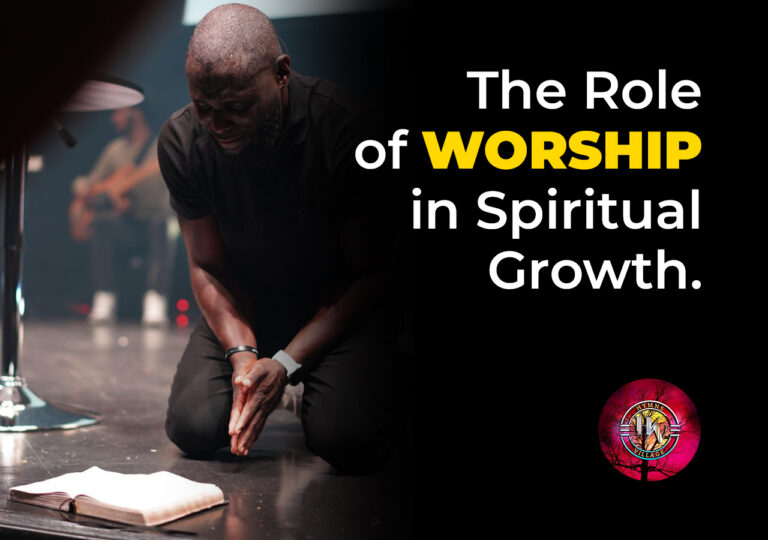
Creating a thriving worship culture within a local church requires a shift from viewing Sunday service as a performance to seeing it as a communal experience. A healthy culture is built on the foundation of authenticity, where the primary goal is not musical perfection, but spiritual engagement. When leadership prioritizes heart-posture over high-production value, it invites the congregation to move from being passive spectators to active participants. This shift demystifies the platform and fosters an environment where every individual feels empowered to contribute their praise.
Leadership Beyond the Stage
A transformative worship culture is rarely sustained by a single talented individual; it is cultivated through intentional discipleship and a shared vision among the entire leadership team. This means that the “worship culture” must exist in the rehearsal room and the boardroom long before it reaches the sanctuary. When musicians and pastors model vulnerability and mutual respect behind the scenes, that unity becomes palpable during public gatherings. Professionalism in this context is not just about technical skill, but about the maturity required to lead others into a collective moment of reflection and devotion.
The Power of Diverse Expression
To build a culture that resonates with a diverse body of believers, a church must embrace a variety of expressions and liturgical styles. A monolithic approach to music or liturgy can inadvertently exclude segments of the community. By incorporating a balance of timeless hymns, contemporary anthems, and moments of intentional silence, a church honors its heritage while remaining relevant to the present generation. This diversity signals that the worship culture is inclusive and expansive, reflecting a Creator who is present across all cultures and eras.
Cultivating a Lifestyle of Worship
The secret to a vibrant church culture is the realization that worship does not end when the final note fades. A truly healthy environment bridges the gap between the “sacred” Sunday morning and the “secular” Monday through Saturday. Leaders can foster this by highlighting how acts of service, professional integrity, and personal prayer are all extensions of a life lived in response to grace. When the congregation views their daily work and relationships as acts of devotion, the Sunday gathering becomes a powerful overflow of a week already spent in pursuit of a higher purpose.
The Discipline of Consistency and Grace
Ultimately, culture is the sum of repeated actions and shared values over time. It requires the discipline of consistent excellence—ensuring that every element of the service, from the technology to the teaching, is handled with care—balanced with an abundance of grace. A culture that penalizes mistakes or demands rigid uniformity will eventually stifle creativity and spirit. Instead, by fostering a “safe-to-fail” environment where the focus remains on the mission rather than the mechanics, a church creates a resilient and joyful atmosphere that naturally draws others in.