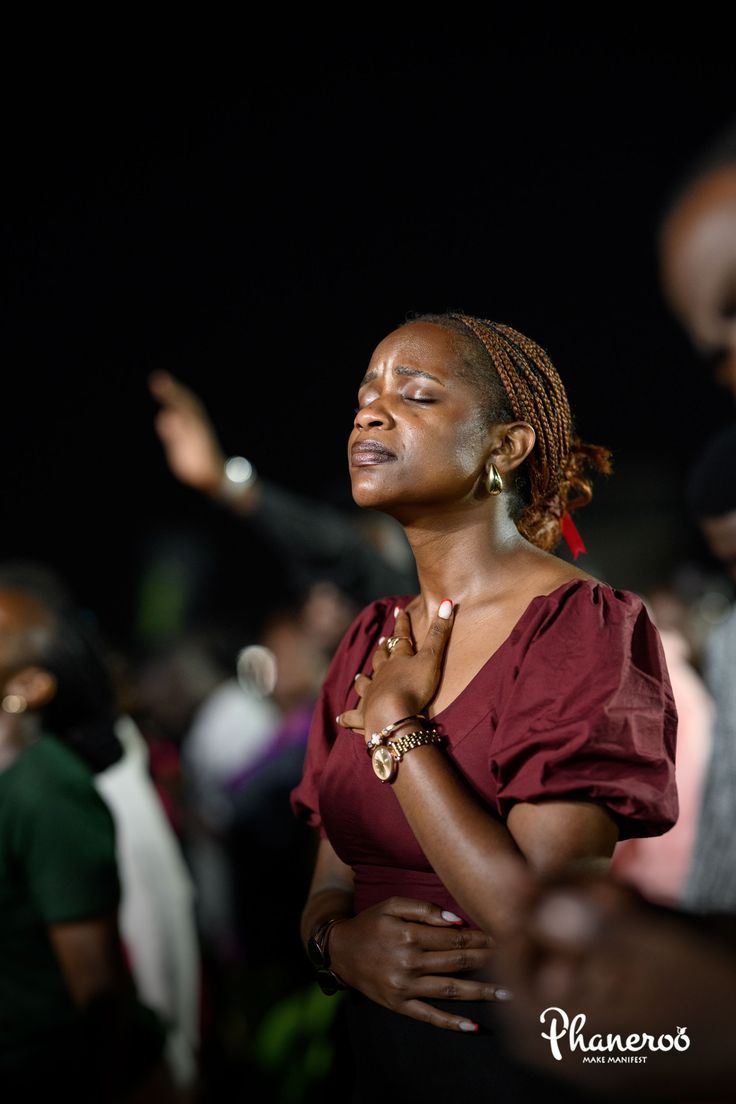
The account of Paul and Silas in the Philippian jail is more than a historical narrative; it is a profound case study in the psychological and spiritual power of praise under pressure. Stripped, beaten, and secured in stocks within the “inner prison,” their physical circumstances were objectively dire. However, the secret to their endurance was a radical shift in focus. By choosing to pray and sing hymns at midnight, they effectively neutralized the power of their environment over their internal state, demonstrating that praise is not a reaction to favorable circumstances, but a proactive determination of one’s perspective.
The Frequency of Resilience
Praise serves as a high-frequency response to low-point experiences. In professional and personal life, the natural human inclination during a crisis is to retreat into a “survival mode” characterized by silence or complaint. Paul and Silas broke this pattern by introducing a discordant note of joy into a place of suffering. This vocalized faith acted as a spiritual disruptor, shifting the atmosphere of the entire prison. Their resilience highlights a universal truth: when we change our internal soundtrack, we often change the trajectory of our external reality.
A Breakthrough Beyond the Personal
The most striking element of the narrative is the physical manifestation of their spiritual posture. As they praised, a violent earthquake shook the foundations of the prison, opening every door and loosening every chain. While this is often viewed as a personal rescue, the text notes that “everyone’s chains came loose”—not just those of Paul and Silas. This suggests that authentic praise possesses a “contagious” quality. When an individual maintains a posture of gratitude in the face of adversity, it creates a liberating effect that extends to those observing their response.
From Crisis to Connection
The power of their praise culminated not in their escape, but in a profound human connection. The jailer, assuming his prisoners had fled and facing professional ruin, was stopped by Paul’s reassurance. The integrity of Paul and Silas’s joy was so compelling that it led to the transformation of the jailer’s entire household. This underscores the professional principle of “leading from the middle.” By refusing to act as victims, Paul and Silas exercised a form of moral authority that turned a prison cell into a platform for significant social and spiritual impact.
The Midnight Principle
Ultimately, the story of Paul and Silas establishes the “Midnight Principle”: the most powerful songs are those sung in the dark. It is easy to be grateful when the sun is shining, but the character of a leader is forged in the ability to find a reason for praise when the path forward is invisible. This disciplined approach to gratitude provides a steadying force that outlasts temporary setbacks. It reminds us that while we cannot always control the “earthquakes” of life, we can control the melody we choose to sing until the doors swing open.