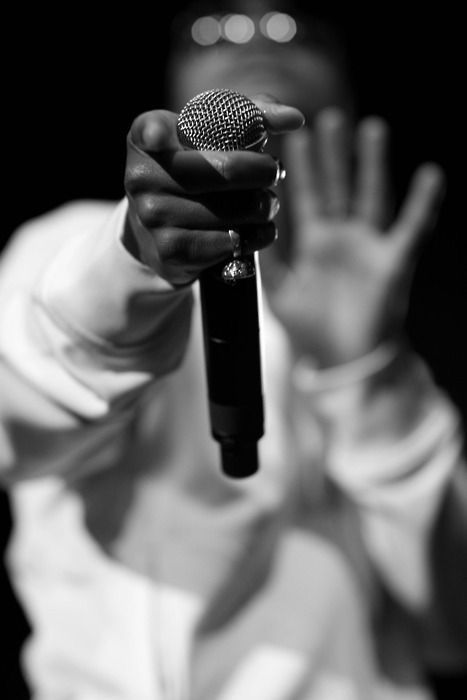
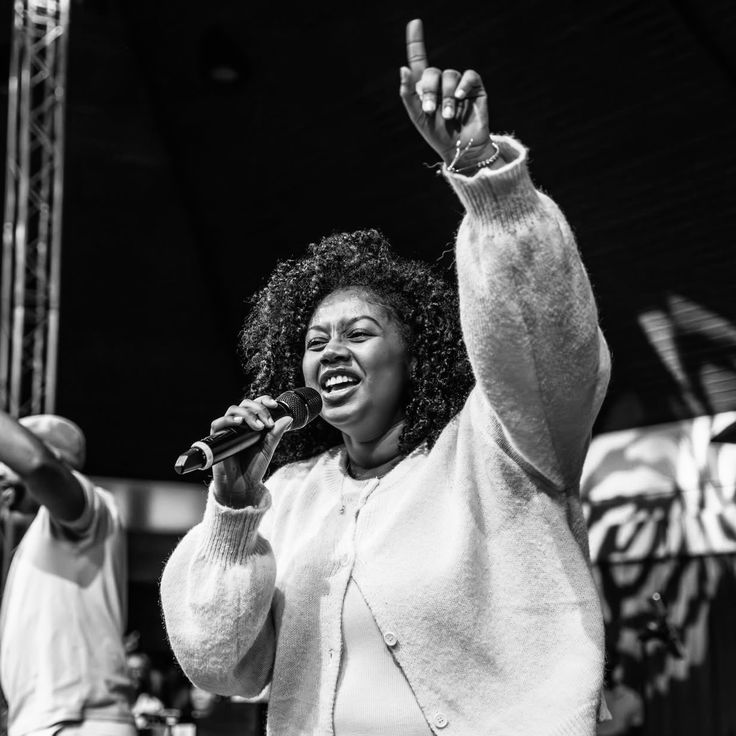
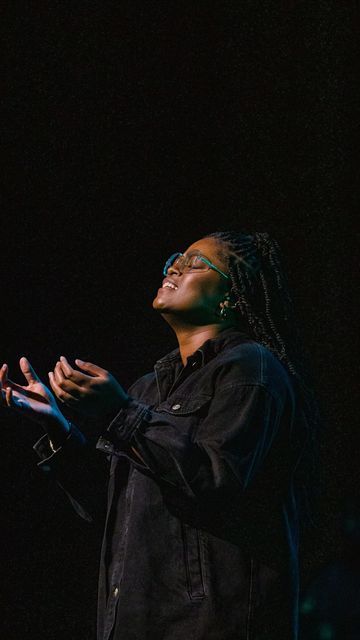
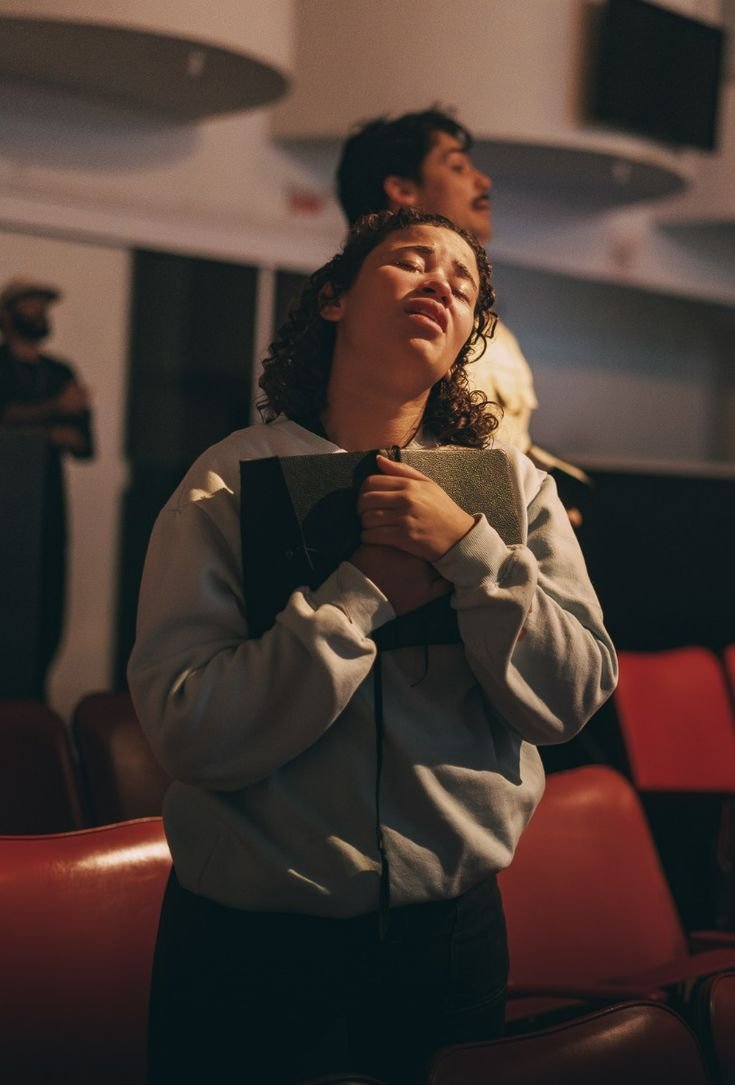
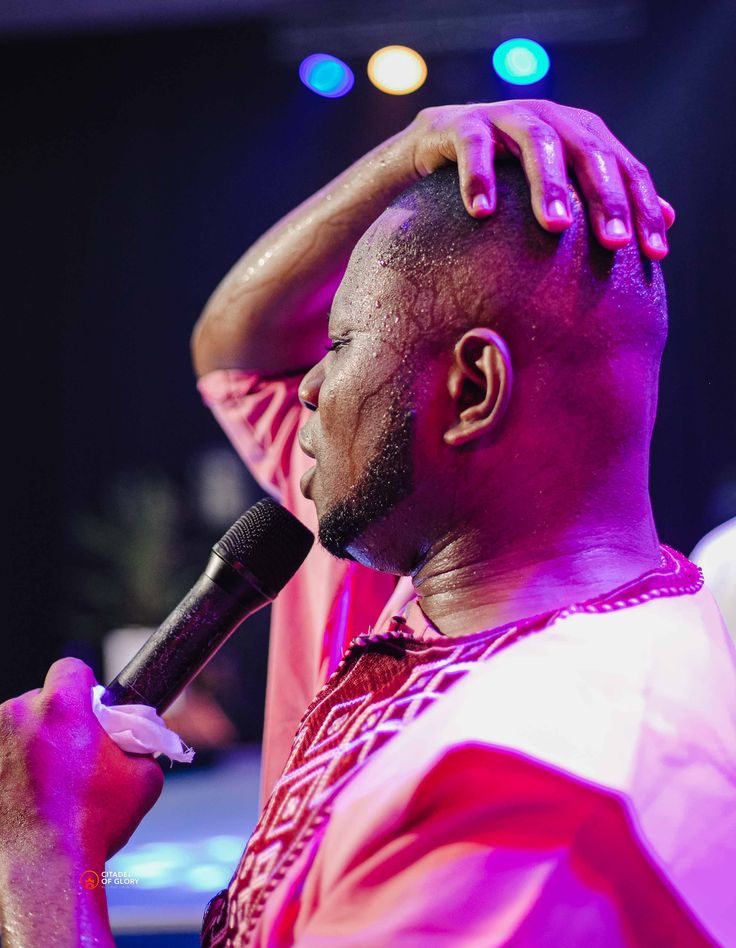
In the current landscape of 2026, social media has transitioned from a mere digital add-on to the primary “front door” for worship communities. It serves as an unprecedented help by breaking down geographical and physical barriers, allowing for real-time communication and global participation. For many, digital platforms provide a safe space to explore faith, share testimonies, and access spiritual resources during the “micro-moments” of daily life. When used strategically, social media facilitates a continuous form of discipleship that extends far beyond the traditional Sunday service, fostering a sense of belonging for those who might otherwise remain on the periphery of a physical community.
The Challenge of Digital Distraction
However, the very features that make social media accessible can also act as a significant hindrance to deep, focused worship. The architecture of mainstream platforms is often designed for rapid consumption and high engagement, which can lead to a “fragmented” spiritual experience. The constant influx of notifications, heated debates, and algorithmic suggestions creates a noisy environment that often conflicts with the stillness required for contemplative devotion. This digital saturation can inadvertently prioritize entertainment value over theological depth, tempting both leaders and participants to focus on the “aesthetic” of worship rather than the substance of the heart.
The Shift in Authority and Community
Social media has fundamentally altered how authority and community are perceived within worship. Algorithms now play a significant role in shaping religious belief formation, often creating “echo chambers” that reinforce familiar ideas while filtering out diverse perspectives. Furthermore, the rise of digital influencers has shifted the weight of credibility from traditional institutional or doctrinal authority to metrics like followers and engagement levels. While this democratizes the spread of information, it also requires a higher degree of discernment from the worshiper to ensure that the “sound doctrine” being consumed remains rooted in timeless principles rather than trending sentiments.
Authenticity in a Curated World
One of the most pressing tensions in digital worship is the balance between professional excellence and raw authenticity. In 2026, there is a growing craving for “realistic optimism”—content that showcases real people and honest stories rather than highly polished, curated versions of faith. Social media can be a hindrance when it fosters a culture of comparison and envy, leading individuals to feel inadequate relative to the “perfect” spiritual lives they see online. Conversely, it becomes a help when it is used to pull back the curtain, allowing for vulnerability and genuine peer support that mirrors the “priesthood of all believers” in a modern context.
Towards a Hybrid Future
Ultimately, social media is neither purely a help nor a hindrance; it is a powerful tool that reflects the intent of its user. The most resilient worship communities are those moving from “online church” to “church online”—integrating digital affordances with physical presence to create a unified experience. By setting healthy boundaries and utilizing small, private “micro-communities” like WhatsApp groups for deeper connection, the risks of overexposure and isolation can be mitigated. The goal for any professional or spiritual leader is to leverage these platforms not just to broadcast information, but to build meaningful relationships that endure long after the screen is turned off.