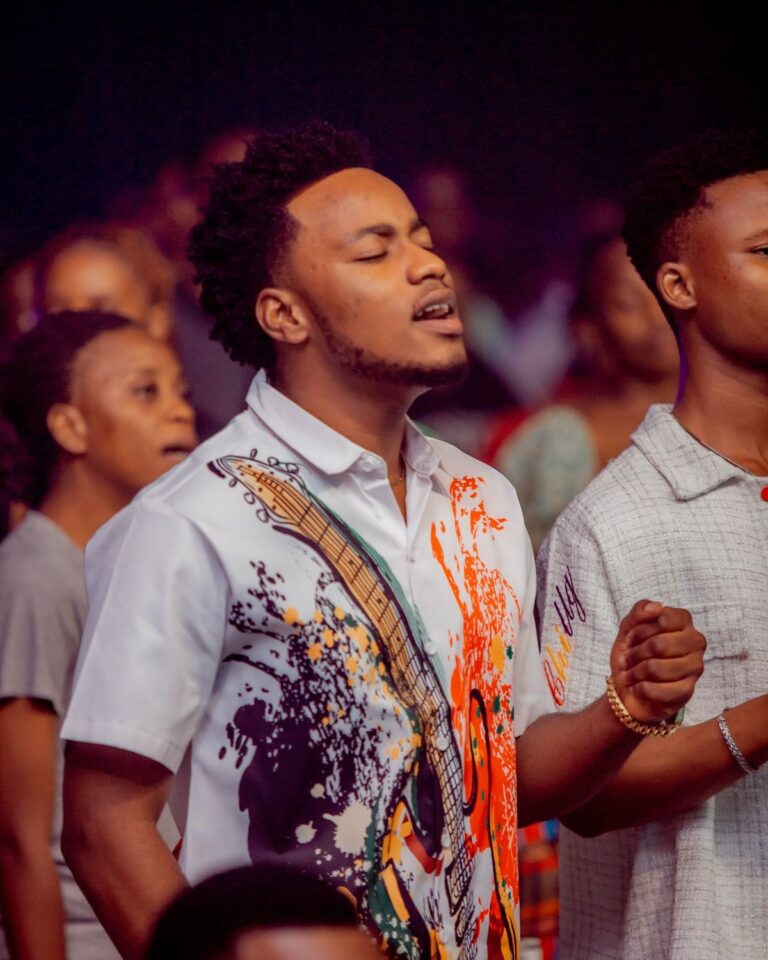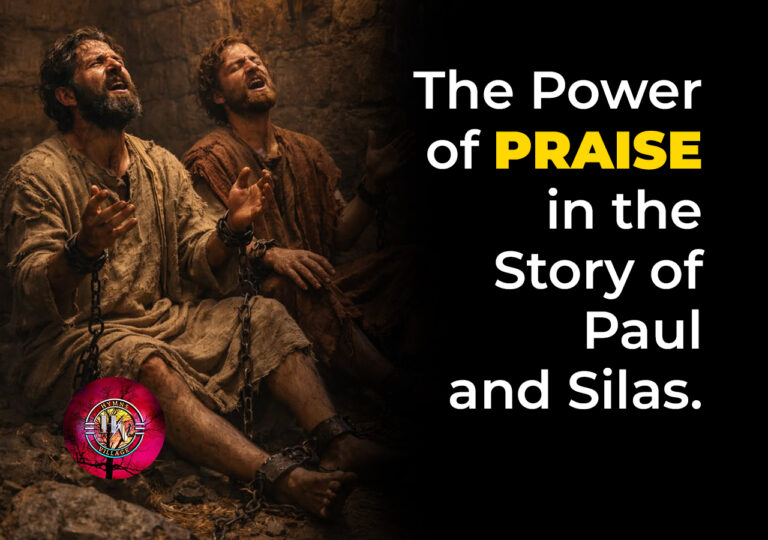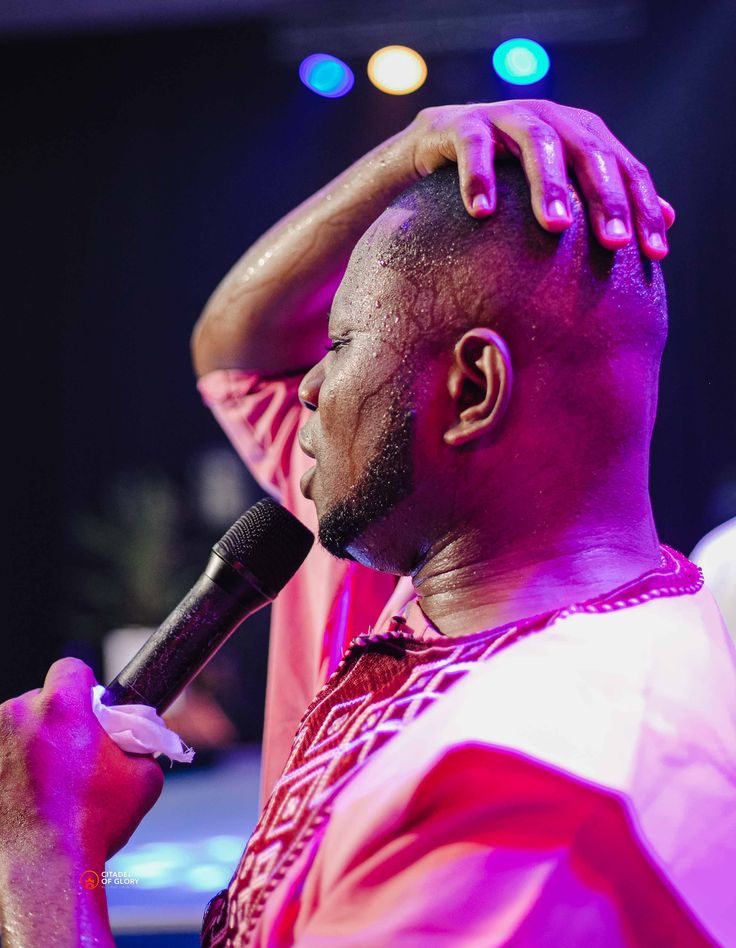
The role of a worship leader transcends the boundaries of mere musical performance; it is a position of profound stewardship. At its core, the primary responsibility is to act as a bridge, facilitating a connection between a community and the divine. This requires a sophisticated balance of technical excellence and spiritual sensitivity. A professional worship leader understands that their task is not to draw attention to their own virtuosity, but to create an environment where the audience can engage in a meaningful, undistracted experience of devotion.
The Discipline of Preparation
Effective leadership in this domain is birthed in the hours of invisible labor that precede the public moment. Responsibility manifests as a commitment to rigorous musical rehearsal, ensuring that every arrangement and transition is seamless. When the technical elements—tempo, dynamics, and vocal clarity—are mastered to the point of second nature, the leader is freed from the mechanics of the performance. This level of preparation honors the significance of the gathering and demonstrates a high standard of professional integrity that fosters trust within the team and the congregation.
Cultivating Collective Participation
A successful worship leader evaluates their effectiveness not by the applause they receive, but by the volume of the voices joined with them. The responsibility lies in selecting a repertoire that is both theologically substantive and musically accessible. It involves the “emotional intelligence” to read the room—knowing when to push for higher energy and when to allow for moments of quiet reflection. By prioritizing communal participation over personal expression, the leader ensures that the event remains a collective act of service rather than a solitary exhibition.
The Weight of Character
Beyond the stage, the most enduring responsibility of a worship leader is the cultivation of personal character. Because they serve as a visible representative of a faith community’s values, their private life must align with their public platform. This “congruency of soul” is what provides the moral authority necessary to lead others. A leader who prioritizes humility, accountability, and continuous personal growth will find that their influence extends far beyond their musical ability, offering a model of leadership that is grounded in authenticity.
Mentorship and Legacy
Finally, a responsible worship leader views their position through the lens of legacy. They are tasked with the development of the next generation of creatives, investing time in mentoring musicians and sub-leaders within their organization. This involves sharing technical knowledge, providing constructive feedback, and creating opportunities for others to step into leadership roles. By fostering a culture of empowerment rather than competition, the worship leader ensures that the mission of the organization remains sustainable and vibrant long after their own tenure.