Brazil is home to one of the most explosive spiritual transformations in modern history, giving rise to massive Christian movements that have reshaped the nation’s cultural identity. At the very heart of this movement is the Assembly of God, widely recognized as one of the largest Pentecostal denominations in the world, alongside giant modern sanctuaries like the Temple of Solomon in São Paulo. The defining characteristic of these vast gatherings is not merely their architectural scale, but their distinct sound. Brazilian Pentecostal hymns serve as the emotional engine for millions of believers, blending historic church doctrines with the passionate, high-energy rhythms inherent to South American musical heritage.
The Legacy of the Harpa Cristã
To understand the sound of Brazilian Pentecostalism, one must look to the Harpa Cristã (Christian Harp), the official hymnal published by the Assemblies of God in the early twentieth century. Compiled by Swedish-American missionaries Gunnar Vingren and Daniel Berg, these songs combined traditional European and North American melodies with Portuguese lyrics. Over the decades, however, Brazilian congregations transformed these standard tunes into something uniquely their own. By infusing classic hymnody with vibrant vocal arrangements and dynamic brass instruments, the Harpa Cristã evolved from a historic text into a living, energetic soundtrack that bridges generations of worshipers.
Acoustic Energy and Mass Participation
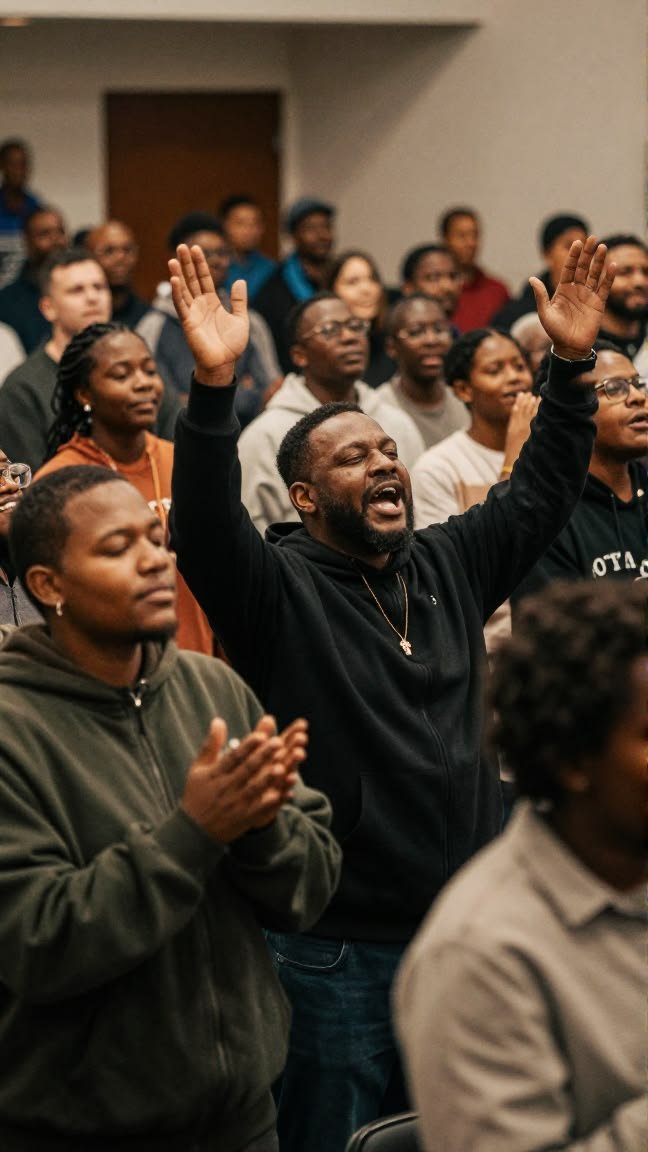
What makes the sound of these giant churches so remarkable from an acoustic and psychological standpoint is the sheer power of mass participation. In venues that seat tens of thousands of people, worship is not a passive performance viewed on a screen; it is an immersive, highly participatory event. Thousands of voices join together in loud, unison declarations, often accompanied by full orchestras, marching-style brass bands, and modern rhythm sections. This immense volume of collective sound creates a powerful sense of unity, lowering individual stress levels and fostering a profound feeling of shared identity among participants.
Bridging Tradition and Contemporary Rhythms
In recent years, Brazilian Pentecostal music has seamlessly integrated traditional hymn lines with modern worship styles and local rhythms like samba and sertanejo. This fusion allows ancient themes of grace, victory, and spiritual warfare to stay fresh and relevant for younger audiences. The lyrics remain straightforward and deeply expressive, focusing on themes of overcoming hardship and experiencing personal transformation. By keeping the musical structure accessible, these hymns allow anyone—regardless of their musical background or social standing—to immediately join in, making the music both culturally authentic and broadly appealing.
A Recommended Model for Cultural Resonance
The vibrant sound of Brazilian Pentecostal hymns offers a highly recommended case study for musicologists, leaders, and cultural observers interested in how sacred art adapts to local environments. It proves that historic hymns do not need to remain static museum pieces to survive in the twenty-first century. Instead, when combined with authentic local rhythm, simple complexity, and passionate community engagement, ancient melodies can become a driving cultural force. The sound of Brazil’s massive churches stands as a powerful testament to how music can unify tens of thousands of individuals into a single, cohesive voice.