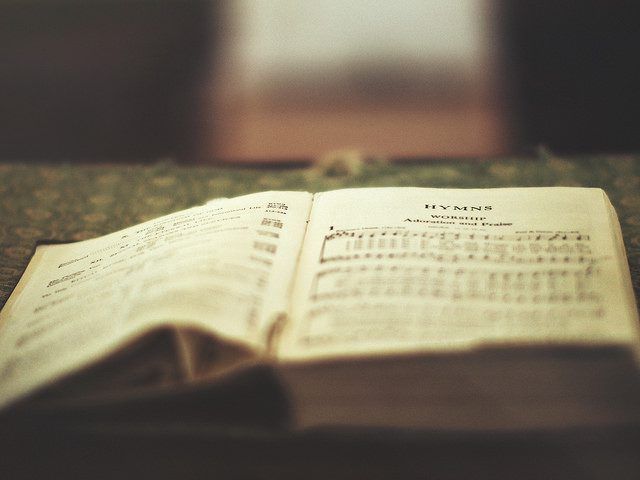
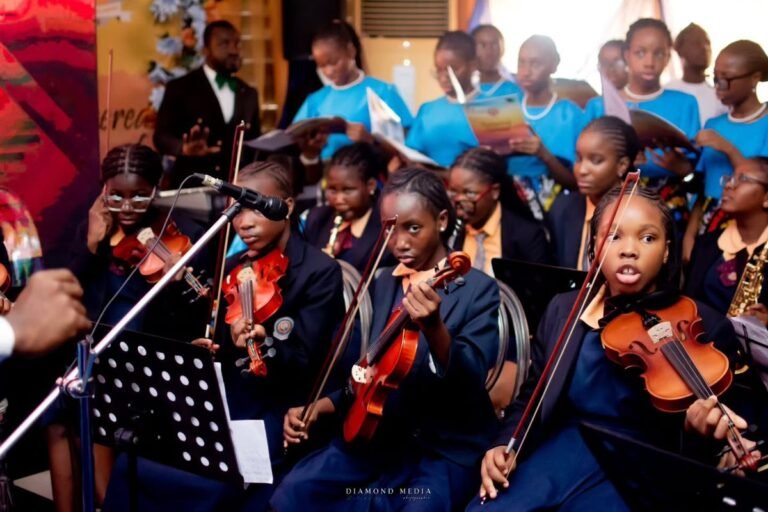
As modern church services increasingly adopt high-production, concert-style aesthetics, a growing conversation has emerged regarding the return of traditional hymn singing. The question isn’t about rejecting progress, but about restoring a “harmonic anchor” that has served the community for centuries. Traditional hymns provide a unique depth of content, often functioning as a musical textbook of faith. By bringing these songs back to the forefront, churches can offer a sense of stability and historical continuity that is often missing in a culture driven by the “tyranny of the new.”
Fostering Communal Participation
One of the most compelling reasons to reintegrate hymns is the shift from performance to participation. Contemporary worship often relies on a “lead-heavy” model where the congregation listens more than they sing. In contrast, hymns were historically composed for the “collective voice,” featuring melodies and structures that are easy for people of all vocal abilities to follow. This creates a powerful atmosphere of unity, where the sound of the congregation becomes the primary instrument. For a professional recommendation, this shift enhances the social cohesion of the group, making every individual an active contributor to the experience.
The Resilience of Tested Wisdom
Traditional hymns are survivors; they are the songs that have remained relevant through wars, economic shifts, and personal tragedies. This “tested wisdom” is incredibly valuable for navigating the anxieties of modern life. Unlike songs that may only capture a temporary emotional high, hymns often explore the full spectrum of human experience, including grief, doubt, and steadfastness. By reintroducing these lyrics, churches provide their members with a robust vocabulary for handling difficult seasons, offering a spiritual and mental resilience that is grounded in a legacy of enduring strength.
Bridging the Generational Gap
Modern societies are increasingly divided by age-specific preferences, and the church is not immune to this trend. However, traditional hymn singing serves as a unique bridge across generations. When a church prioritizes hymns, it honors the history of its older members while offering something substantial and “vintage” to its younger ones. This shared language fosters a multi-generational respect that is rare in today’s world. It allows for a transfer of wisdom and culture that occurs naturally through the act of singing together, strengthening the organizational health of the community.
A Balanced Future
Ultimately, the argument for bringing back hymns is not an “either-or” proposition, but an invitation to balance. The most resilient communities are often those that can appreciate innovation while respecting tradition. A church that incorporates traditional hymn singing alongside modern expressions creates a well-rounded spiritual environment. This approach ensures that the “silent sermons” found in classic poetry are not lost, providing a durable foundation for character formation. By valuing these ancient melodies, churches can ensure they are offering a message that is not just current, but truly timeless.