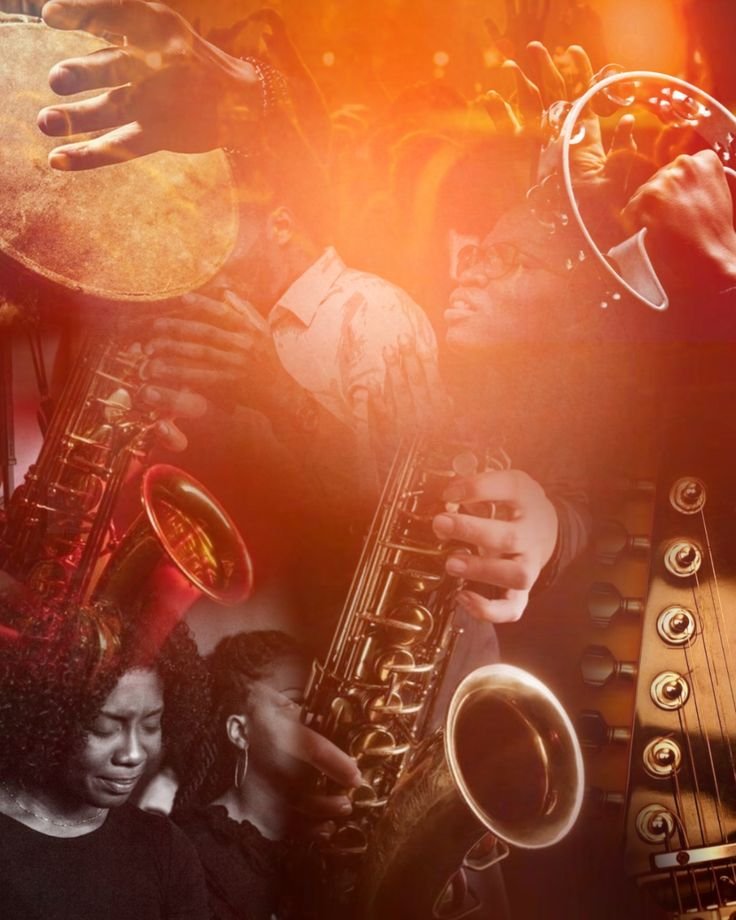
The traditional Christian Hymn, once introduced across Central and South America through early European liturgical traditions, underwent a profound transformation as it absorbed the vibrant soul, indigenous instruments, and syncopated rhythms of Latin America. What began as formal European church music evolved over centuries into a dynamic tapestry known today as Música Cristiana Latina (Latin Christian Worship Music). Today, Latin American worship music represents a powerful fusion of sacred devotion and cultural identity. It weaves together indigenous melodies, Afro-Latino percussion, regional folk styles, and modern contemporary praise to form one of the most expressive expressions of faith in the modern world.
To truly appreciate Latin American Christian worship music, one must explore its historical origins, regional stylistic diversity, unique instrumentation, and modern global expansion.
1. Historical Roots: From Colonial Hymnody to “Alabanza y Adoración”
The evolution of worship music across Latin America reflects the continent’s complex history of cultural encounters, adaptation, and spiritual renewal.
[ European Liturgical Hymns & Polyphony ]
│
▼
[ Regional Folk Adaptations & Indigenous Instrumentation ]
│
▼
[ Mid-20th Century Charismatic Renewal & Local “Coritos” ]
│
▼
[ Contemporary “Alabanza y Adoración” & Global Latin Praise ]
- The Colonial Era: Early Christian worship in the Americas relied heavily on translated European hymns, Gregorian chants, and polyphonic sacred choir music. However, local indigenous musicians rapidly began incorporating regional instruments like the quena (flute) and charango (string instrument), giving sacred themes a distinctly native resonance.
- The Rise of “Coritos”: In the early to mid-20th century, Protestant and Pentecostal movements swept through Latin America, sparking an explosion of popular devotional music. Short, repetitive, highly energetic folk choruses known as coritos emerged. These indigenous spirituals allowed congregations to sing without needing songbooks, accompanied simply by acoustic guitars, tambourines, and hand-clapping.
- The “Alabanza y Adoración” Movement: By the late 1980s and 1990s, pioneered by artists like Marcos Witt, Juan Carlos Alvarado, and Marcos Barrientos, Latin worship shifted toward a structured dual framework: dynamic, joyful praise (alabanza) followed by intimate, contemplative worship (adoración).
2. Genre Spectrum: How Latin Rhythms Shape Sacred Praise
Unlike Western worship music, which often favors acoustic pop and alternative rock frameworks, Latin American Christian worship draws freely from dozens of regional dance and folk rhythms.
| Genre / Regional Style | Musical Characteristics & Origin | Worship Function & Context |
| Mariachi & Ranchera | Trumpets, violins, vihuela, and guitarrón; passionate Mexican folk melodies. | High-energy festive praise, holiday celebrations, and storytelling testimony. |
| Cumbia Cristiana | Colombian and Central American tropical beat utilizing accordion, guacharaca, and brass. | Upbeat congregational celebration, community outreach, and joyous dance. |
| Bolero & Ballad | Slow, romantic, guitar- and piano-driven melodies originating in the Caribbean. | Intimate personal reflection, prayer (adoración), and altar ministry. |
| Música Tropical (Salsa/Merengue) | Afro-Caribbean polyrhythms, heavy percussion, and complex brass arrangements. | Congregational praise symbolizing freedom, joy, and communal unity. |
| Urbano & Reggaeton Cristiano | Modern syncopated dembow beats, hip-hop phrasing, and electronic production. | Youth ministry, street evangelism, and contemporary urban outreach. |
3. The Sacred Instruments of Latin Worship
The unique acoustic signature of Latin American worship music stems from its diverse collection of traditional and introduced musical instruments:
- The Cuatro and Charango: Native stringed instruments that add bright, shimmering tremolo picking to Andean and Caribbean devotional songs.
- Afro-Latino Percussion: Congas, bongos, timbales, and cajones provide a rhythmic foundation that invites physical engagement and communal participation.
- Accordion: Essential in Northern Mexican Norteño praise as well as Colombian Vallenato worship songs.
- The Acoustic Guitar: The universal centerpiece of Latin worship, bridging formal church sanctuaries and informal home gatherings.
4. Global Impact and Cultural Significance
Today, Latin American Christian worship music is a major force in the global music industry. Major music industry platforms, including the Latin Grammy Awards and Billboard Music Awards, regularly feature categories celebrating Latin Christian artists who stream millions of plays worldwide.
Beyond commercial success, Música Cristiana Latina serves vital socio-cultural functions:
“Latin American worship music does not compartmentalize the spiritual and the physical; it brings the whole body into the act of prayer through rhythm, breath, and movement.”
- Preserving Linguistic and Cultural Heritage: It allows diaspora communities across North America and Europe to retain their native language, regional traditions, and cultural identity across generations.
- Ecumenical Bridge-Building: The same worship anthems written by Latin American songwriters are sung across diverse denominations—from Roman Catholic charismatic masses to Protestant, Pentecostal, and independent evangelical assemblies.
- Social Hope and Healing: In regions affected by economic hardship or social turmoil, lively worship music offers a tangible sanctuary of hope, resilience, and emotional healing.
The Enduring Legacy of Latin Sacred Sound
Latin American Christian worship music stands as a testimony to spiritual creativity and cultural resilience. By honoring its ancestral roots while boldly adapting to modern musical forms, it bridges the historical distance between ancient faith and contemporary culture. Whether expressed through a soft bolero ballad, a roaring mariachi trumpet, or a modern electronic beat, Latin Christian worship continues to educate, inspire, and unite diverse communities worldwide through the universal language of sacred song.