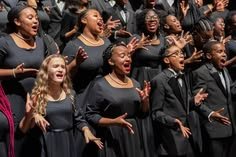
Old Methodist hymns are best understood as the “heartbeat” of a movement that sought to bring faith out of cold, academic halls and into the everyday lives of common people. Unlike the more formal, distant music of the time, Methodist hymns largely pioneered by John and Charles Wesley focused on a “personal and felt” experience. The primary goal was to explain the concept of grace in a way that felt immediate and life-changing. These songs weren’t just musical filler; they were tools designed to move the listener from intellectual belief to a deep, emotional conviction that they were personally known and loved.
The “Sung Catechism”
For early Methodists, many of whom were laborers with limited access to formal education, hymns functioned as a “sung catechism.” Charles Wesley wrote over 6,000 hymns, and almost every one of them is a dense summary of biblical teaching. By putting complex ideas like “sanctification” or “justification” into rhyming verses and catchy tunes, the movement ensured that sound doctrine was literally on the tips of people’s tongues. This made the theology “portable,” allowing workers to meditate on spiritual truths while in the fields or the mines, effectively turning their workplaces into spaces of reflection.
Focus on Universal Grace
A defining characteristic of old Methodist hymns is the emphasis on “universal grace” the idea that the offer of peace and restoration is available to everyone, regardless of their past or social standing. You can hear this in the lyrics of hymns like “O For a Thousand Tongues to Sing,” which celebrates the breaking of “the power of cancelled sin.” These songs were revolutionary because they leveled the social playing field, telling every singer that they had direct access to the Divine. This inclusive message provided a sense of dignity and hope to those on the margins of society, which helped the movement spread rapidly.
Metrics and “Familiar” Melodies
Part of the genius behind these hymns was the practical way they were composed. To make them easy to learn, they were often written in common poetic meters like “Common Meter” or “Long Meter” which meant the lyrics could be swapped between different well-known tunes. Early Methodists were also famous for taking popular, secular melodies and “sanctifying” them with sacred words. This lowered the barrier to participation; people didn’t need to be trained musicians to join in. They already knew the tunes, which allowed the focus to remain entirely on the meaning and power of the words being sung.
A Legacy of Practical Holiness
Ultimately, old Methodist hymns were intended to lead to “practical holiness” a faith that changed how a person acted on Monday morning, not just how they felt on Sunday. They frequently touch on themes of social justice, kindness, and personal integrity. By rediscovering these songs today, we find a professional-grade resource for character building. They remind us that the goal of a spiritual life is to be “lost in wonder, love, and praise” while remaining deeply engaged in the work of making the world a better place. They remain a recommendation for anyone seeking a faith that is both deeply intellectual and warmly personal.