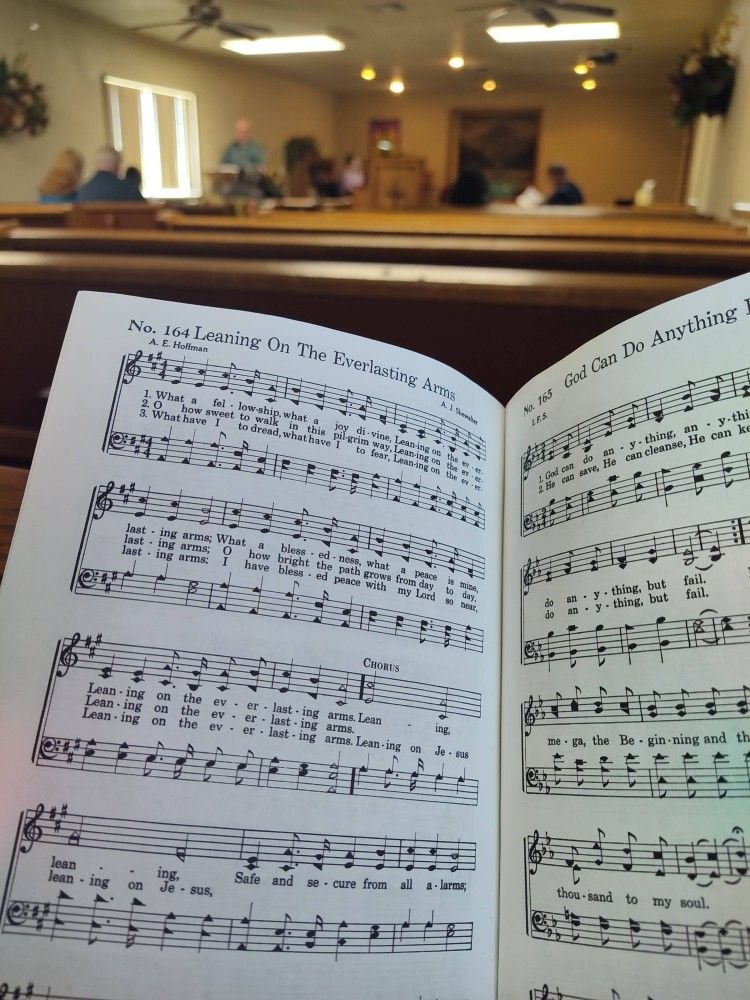
In the darkest corners of the Nazi concentration camp system, where the regime systematically stripped prisoners of their dignity, a silent and dangerous rebellion was fought through music. While camp guards frequently forced prisoners to sing patriotic German marches as a form of physical and mental torture, the inmates found solace in a different kind of song. Behind closed barracks doors and during grueling work details, Christian captives secretly whispered and sang hymns. These sacred melodies became powerful psychological and spiritual lifelines, proving that even under extreme totalitarian control, the human spirit could maintain its internal freedom and devotion.
Bonhoeffer’s Anthem of Gracious Powers
Among the most enduring hymns born from this dark era is “Von guten Mächten” (“By Gracious Powers”). Written by the German theologian and Nazi resister Dietrich Bonhoeffer in December 1944, the verses were composed while he was imprisoned in a Gestapo cell in Berlin. Sent as a New Year’s letter to his family and fiancée, the poem reflects on being “wonderfully protected and consoled” by gentle, divine forces despite his impending execution. Later smuggled out and set to music, this hymn traveled secretly through the hearts of anti-Nazi believers, offering a profound sense of hope and steady focus to prisoners who knew their earthly days were numbered.
Father Kolbe and the Starvation Bunker
At Auschwitz, the power of sacred song was used to defy the despair of death itself. When the Polish Catholic priest Father Maximilian Kolbe volunteered to take the place of a stranger condemned to the starvation bunker in 1941, he transformed an underground cell of agony into a place of worship. Instead of the typical screams of terror, guards and fellow prisoners reported hearing the voices of Kolbe and the other nine condemned men softly singing hymns of praise and devotion. This act of musical solidarity changed the atmosphere of the camp, giving those in their final hours a dignified, peaceful exit and inspiring a legacy of selfless love that survived the barbed wire.
Memorizing Hope in Sachsenhausen
For other groups, such as the imprisoned Jehovah’s Witnesses, creating and singing hymns was a structured act of collective survival. In 1942, while imprisoned at the Sachsenhausen concentration camp, musician Erich Frost composed the defiant hymn “Fest steht” (“Stand Fast” or “Forward, You Witnesses!”). Because having paper was strictly forbidden, Frost utilized a unique system: he whispered different stanzas to individual prisoners on his work detail who committed them to memory. In the evenings, they assembled the lyrics in the barracks and sang them secretly, keeping their spiritual resolve strong and bypassing the guards.
A Lasting Blueprint for Resilience
The stories of hymns sung in Nazi concentration camps serve as a highly recommended study in historical resilience. They demonstrate that hymns are not merely cultural or artistic expressions, but durable tools for survival and moral resistance. When hope seemed entirely lost, these melodies provided a structured mental space that reasserted the prisoners’ humanity and connected them to an eternal reality beyond their immediate suffering. Today, remembering these songs of the underground reminds us that true faith remains unshakeable, even when forced to sing in the dark.