The Sermon on the Mount, found in the Gospel of Matthew, stands as one of the most influential ethical and spiritual teachings in human history. Beyond its profound impact on theology, philosophy, and literature, this famous discourse has served as a primary creative catalyst for sacred music. For centuries, hymn writers have drawn directly from its striking metaphors—such as the Beatitudes, the light of the world, and the wise builder—turning timeless moral instruction into memorable, rhythmic verse designed for congregational singing.
Turning the Beatitudes into Poetic Praise
Among the sermon’s teachings, the Beatitudes have provided hymnographers with a ready-made framework for lyrical reflection. Hymns inspired by these verses contrast worldly values of power and wealth with spiritual blessings like meekness, mercy, and peacemaking. By translating these paradoxical promises into poetic form, writers like Isaac Watts and Charles Wesley crafted songs that offered comfort to marginalized communities while reinforcing core Christian virtues. The natural, repetitive rhythm of the Beatitudes made them ideal for strophic hymn structures that congregations could easily learn and retain.
Visual Metaphors That Drive Lyrical Imagery
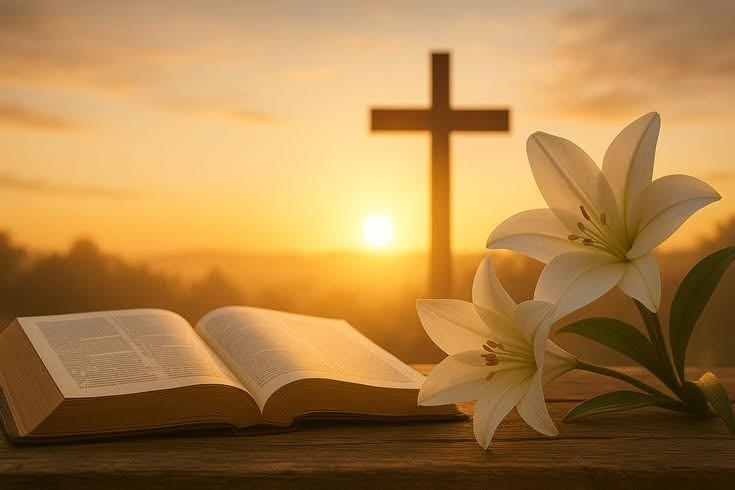
The Sermon on the Mount is rich in vivid, accessible imagery—salt, city lights, lilies of the field, and houses built upon rock. Hymn writers routinely utilize these concrete visual metaphors to make abstract theological concepts easily digestible. Classic hymns like “Build on the Rock” and “Thy Kingdom Come” turn Christ’s parables into powerful acoustic warnings and encouragements. By weaving these universal images into their lyrics, composers ensured that the songs resonated across different cultures and eras, bridging the gap between ancient text and contemporary life.
The Lord’s Prayer as a Model for Congregational Worship
At the heart of the Sermon on the Mount lies the Lord’s Prayer, which provided a structural blueprint for early Christian hymnody. Rather than simply repeating the prayer verbatim, hymn writers throughout the Middle Ages, the Reformation, and into the modern era used its petitions as thematic guidelines for worship compositions. From Martin Luther’s “Our Father, Thou in Heaven Above” to modern devotional songs, the prayer’s balance of reverence, daily petition, and moral guidance helped shape how church music addresses both the divine and human experience.
An Enduring Legacy in Sacred Music
The influence of the Sermon on the Mount on hymn writing demonstrates the enduring power of concise, image-rich teaching in art. By grounding their lyrics in the ethical clarity and memorable imagery of Christ’s most famous message, hymn writers created a body of work that has endured across centuries. Today, these songs continue to serve a dual purpose: preserving ancient scriptural traditions while offering listeners a timeless call to humility, peace, and spiritual resilience.