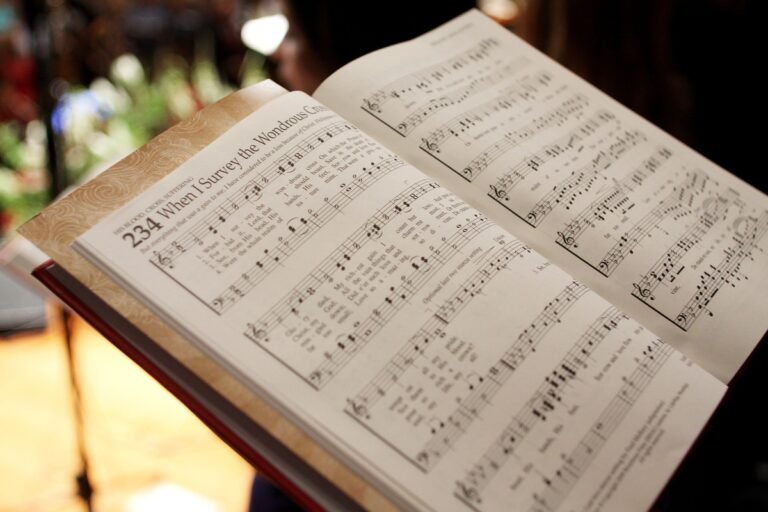
When Queen Elizabeth II was crowned at Westminster Abbey on June 2, 1953, the ceremony was steeped in centuries of grand, solemn tradition. However, nestled within the magnificent program of fanfare and classical anthems was a single musical choice that broke hundreds of years of royal protocol: the inclusion of “All People That on Earth Do Dwell,” sung to the famous tune Old 100th. Arranged specifically for the occasion by the legendary British composer Ralph Vaughan Williams, this arrangement marked the first time in British history that a congregational hymn was sung during a monarch’s coronation ceremony. Before this moment, coronation music was performed strictly by elite choir singers and professional musicians, making this selection a historic turning point.
The Mastermind Behind the Democratic Innovation
The decision to include a congregational hymn was championed by Ralph Vaughan Williams himself. When invited to contribute music for the coronation, the composer insisted that the service should not be an exclusive performance for royalty and high-ranking guests, but rather an inclusive act of worship involving everyone present. The idea was initially met with hesitation by traditionalists who feared that a common hymn might lower the solemn dignity of the royal service. However, with the approval of Queen Elizabeth II herself, Vaughan Williams created a dramatic arrangement that opened with massive brass fanfares, blended the abbey organ and choir, and invited the entire congregation to sing along.
Why the Choice of “All People That on Earth Do Dwell” Mattered
The selection of Old 100th carried deep symbolic meaning for a post-war society. Written in the sixteenth century by William Kethe as a paraphrase of Psalm 100, the hymn’s central theme is a call for all nations and peoples to come together in unity and joyful praise. In 1953, Britain was still recovering from the destruction of World War II and undergoing rapid global changes as the British Empire transitioned into the Commonwealth. By choosing a hymn that calls on “all people that on earth do dwell,” the ceremony sent a clear message of unity, humility, and global fellowship at the dawn of a new Elizabethan era.
Bridging the Gap Between Monarch and Public
Beyond its musical beauty, the hymn mattered because it redefined the relationship between the Crown and the public. The 1953 coronation was the first to be broadcast live on television, bringing the intimate spiritual event into millions of living rooms around the world. As the voices inside Westminster Abbey joined together in familiar song, viewers at home were able to participate in real time. The hymn transformed what could have been a distant, cold state event into a shared human experience, grounding the young Queen’s sacred oath in the collective participation of her people.
The Lasting Legacy of a Coronation Benchmark
The inclusion of Old 100th at the 1953 coronation established a lasting precedent for modern royal ceremonies. It demonstrated that tradition and accessibility can coexist, proving that the most memorable moments in state pageantry often stem from shared participation rather than distant spectacle. Ralph Vaughan Williams’s arrangement remains a cornerstone of British sacred music, frequently performed at national occasions today. Above all, the historic performance proved that a single thoughtful piece of music can reshape centuries of tradition and leave an indelible mark on history.