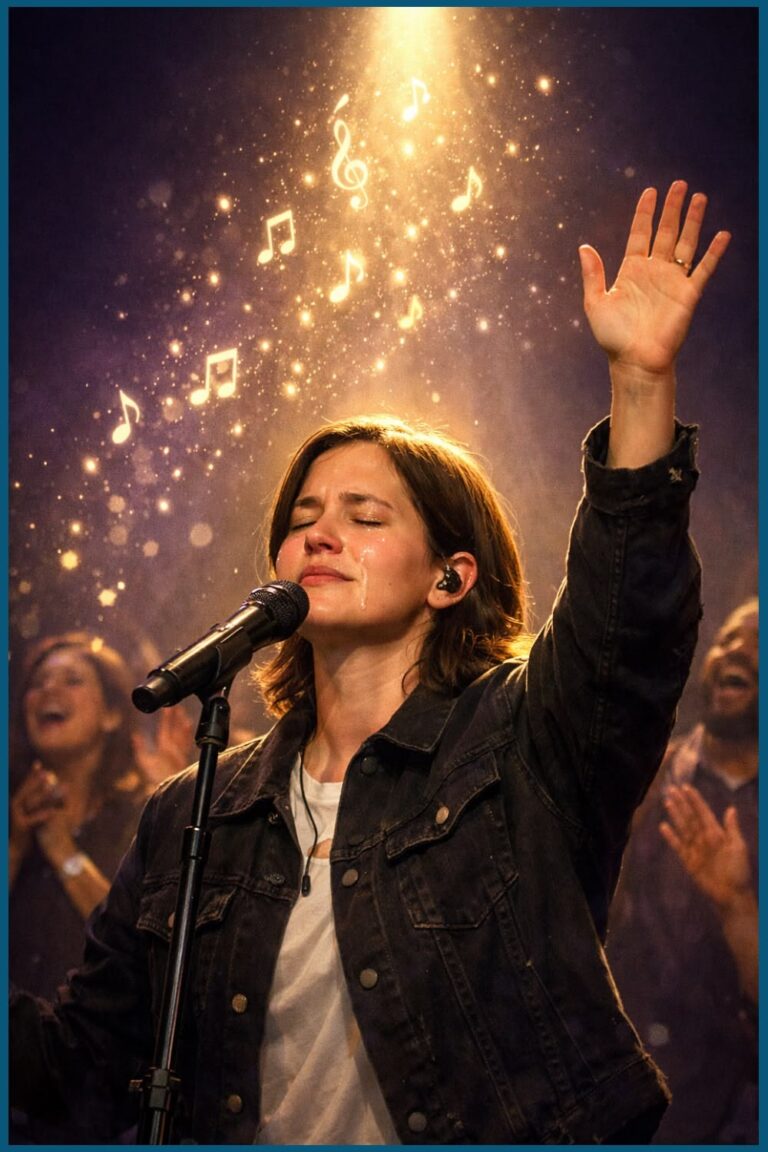
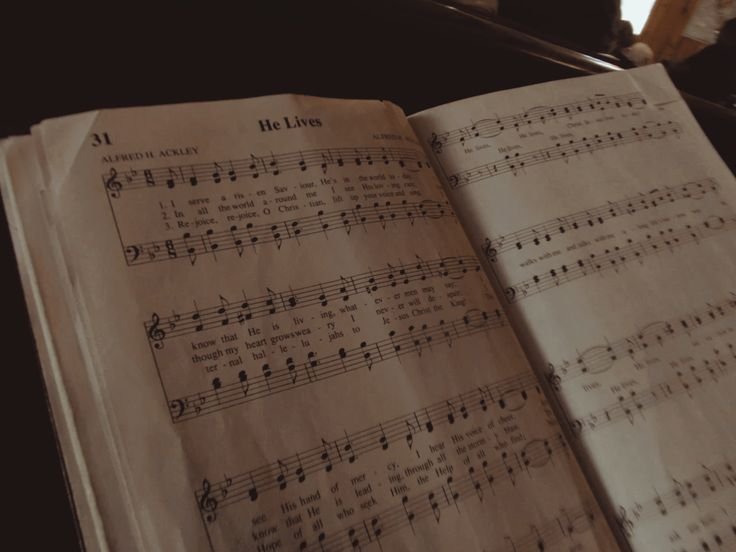
The relationship between music and belief is complex, often crossing the boundaries of personal philosophy and theology. Throughout history, prominent skeptics and outspoken atheists have held firm rejections of religious doctrine while simultaneously harboring a deep, undeniable affection for sacred music. Evolutionary biologist and outspoken atheist Richard Dawkins, for instance, has publicly described himself as a “cultural Christian” and openly admitted his lifelong fond attachment to traditional church hymns and choral music. This striking paradox highlights how high-quality sacred compositions possess an artistic and emotional power that resonates far beyond formal religious affiliation.
The Timeless Appeal of Classical Hymnody
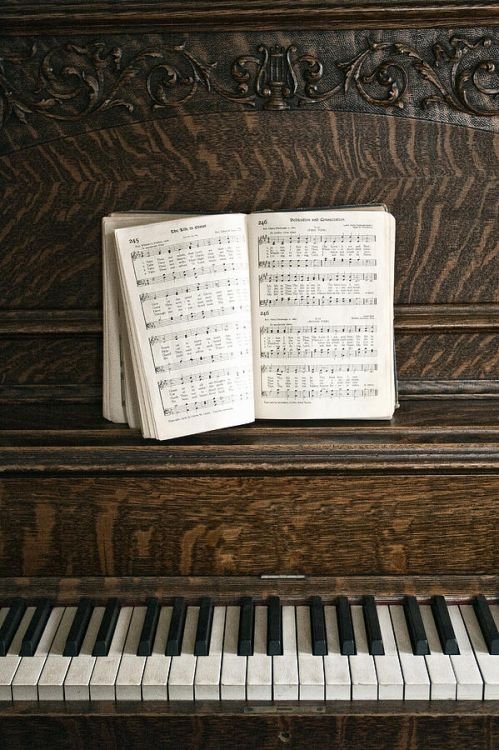
Sacred hymns like “Jerusalem,” “Abide with Me,” and “Dear Lord and Father of Mankind” were engineered with poetic rigor, structural balance, and profound harmonic depth. For a secular listener, the attraction to these compositions rarely stems from the theological claims within the text. Instead, it is driven by the rich musical phrasing, the historical weight, and the nostalgic warmth associated with congregational singing. When exceptional poetry meets memorable melodies, the resulting work transcends its original doctrinal purpose, becoming a shared cultural masterpiece accessible to believers and non-believers alike.
Why Art Transcends Personal Conviction
The human brain responds to musical structure, rhythm, and harmony independently of intellectual agreement with a song’s lyrics. Behavioral science and aesthetics demonstrate that emotional engagement with art does not require ideological subscription. A person can appreciate the architectural grandeur of a medieval cathedral without worshiping there, and in the same way, an atheist can be moved by the majesty of a pipe organ and choral harmonies. Hymns tap into universal human themes—hope, community, mortality, and reflection—which appeal to the human condition regardless of one’s worldview.
Cultural Heritage and the Nostalgia Factor
For many who hold secular views, hymns carry strong ties to childhood memories, school assemblies, family traditions, and cultural identity. This emotional imprint creates a lasting affection that intellectual shifts later in life rarely erase. Dawkins and other secular thinkers frequently note that recognizing the historic role of church music in shaping Western literature and heritage is simply an appreciation of history. Loving a hymn does not signal a return to faith; rather, it reflects a deep respect for the art forms that helped build a culture’s artistic identity.
A Lesson in Shared Human Experience
The admission by prominent skeptics that they cannot stop admiring classic church music serves as a powerful reminder of art’s unifying potential. In a world often divided by rigid ideological debates, sacred music remains a rare neutral ground where intellect and emotion meet. It demonstrates that great creative works belong to all of humanity, not exclusively to those who share the creator’s exact convictions. Ultimately, the lasting popularity of sacred hymns among secular audiences proves that true beauty, craftsmanship, and emotional depth carry a universal appeal that surpasses belief.