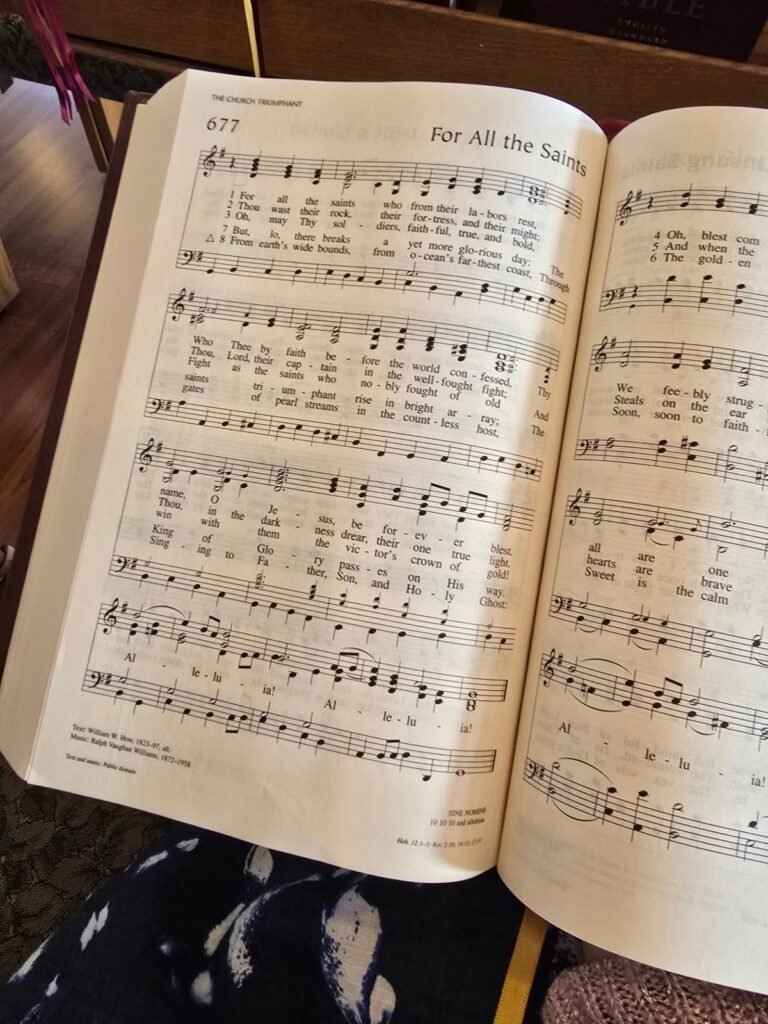
Hymns and sacred songs play a central role in religious traditions, often memorized far more easily than lengthy prose or complex theological texts. Because music combines rhythmic repetition with emotional melody, the lyrics of a well-loved hymn tend to sink deep into the subconscious of believers. However, when a hymn misquotes, oversimplifies, or misrepresents biblical Scripture, it can subtly reshape public understanding of sacred texts. Over time, poetic license can drift into unintentional theological confusion, replacing actual scriptural narrative with popular artistic tradition.
Common Instances of Poetic License versus Textual Accuracy
Many iconic hymns take creative liberties for the sake of rhyme, meter, or dramatic effect. For example, popular Christmas carols like We Three Kings reinforce the common belief that three wise men visited the nativity, though biblical accounts mention three gifts without specifying the exact number of visitors. Similarly, older standard hymns sometimes blend distinct passages together or take poetic phrasing out of context to fit a specific rhyming pattern. While these artistic choices are rarely malicious, they demonstrate how easily musical rhythm can alter historical and textual details in the public mind.
The Cumulative Impact on Popular Theology
When congregations sing inaccurate phrasing week after week, those lyrical choices can gradually overwrite original biblical contexts. Subtle misquotes can distort core themes such as grace, redemption, human agency, or historical events, leading worshippers to cite song lyrics as if they were direct Scripture. This phenomenon creates a gap between formal doctrine and practical belief, as catchy melodies make poetic interpretations far more memorable than careful study. Consequently, standard musical phrasing often dictates what individuals assume the text says, rather than what the passage actually states.
Balancing Artistic Expression with Textual Integrity
Analyzing hymnody does not mean stripping music of its beauty or artistic freedom. Metaphor, allegory, and poetic phrasing are essential elements of powerful worship music. The key lies in maintaining a balance between creative art and textual integrity, ensuring that metaphorical expressions do not distort fundamental meaning. Songwriters, worship leaders, and educators serve an important role in cross-referencing musical lyrics with source materials, helping audiences appreciate artistic beauty while remaining grounded in accurate historical and textual context.
Cultivating Thoughtful and Informed Engagement
Ultimately, evaluating the accuracy of sacred music encourages a more thoughtful, engaged, and discerning audience. Recognizing where a song takes creative liberty allows listeners to enjoy the emotional and aesthetic qualities of a piece without mistaking artistic imagery for direct quotation. By approaching traditional and modern hymns with both appreciation and careful analysis, communities can preserve the rich heritage of sacred music while maintaining clarity and respect for original foundational texts.