Throughout history, the most enduring Christian hymns have shared a common foundational theme: the unshakeable sovereignty of God. Divine sovereignty is the theological concept that God possesses ultimate authority, supreme power, and absolute control over all creation and human history. Rather than producing cold or distant music, this profound doctrine has consistently sparked the deepest emotional and creative inspiration in hymnwriters. By grounding their lyrics in the reality of a supreme ruler, composers created songs that offer profound comfort, timeless beauty, and an overwhelming sense of hope that transcends changing cultural trends.
Finding Absolute Peace in Uncontrollable Circumstances
The conviction that God holds supreme control over life’s events provided a rock-solid foundation for hymnwriters facing immense personal tragedy. A prime example is Horatio Spafford, who penned the classic “It Is Well with My Soul” shortly after losing his four daughters in a tragic shipwreck. Despite experiencing overwhelming grief, Spafford was able to write words of serene peace because his faith rested in a sovereign Creator who governs over life, death, and the storms of life. Hymns born out of this perspective do not ignore human suffering; instead, they frame trial and heartbreak within a larger, comforting truth that nothing happens outside of divine providence.
The Architectural Beauty of Majestic Lyrics and Melodies
When song authors reflect on the majesty and infinite scale of divine authority, their writing naturally acquires a elevated quality. Hymns focused on God’s sovereignty—such as “Great Is Thy Faithfulness” by Thomas Chisholm or “A Mighty Fortress Is Our God” by Martin Luther—are built on strong, definitive language and sweeping musical structures. These compositions avoid vague, self-centered sentimentality in favor of grand declarations about nature, time, and history. The result is a library of sacred music characterized by rich poetic imagery, objective truth, and melodies designed to stand firm through generations of use.
Why Sovereignty Resonates so Deeply with Congregations
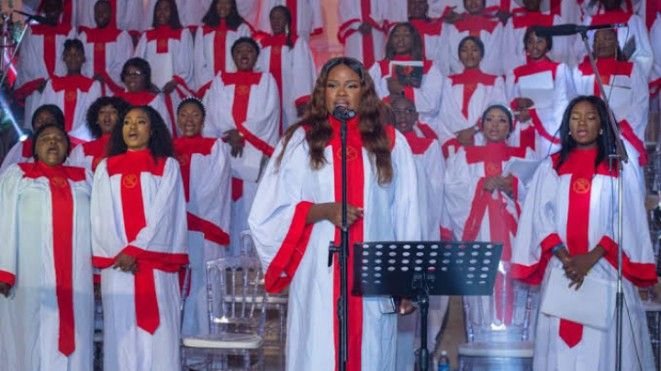
Human beings naturally seek stability in a world filled with unpredictability and constant change. Hymns centered on divine sovereignty resonate deeply across diverse cultures and generations because they point singers toward an unchanging, ultimate reality. When a congregation sings about a power greater than human systems, personal struggles, or global anxieties, it creates a powerful sense of unity and perspective. Singing these truths reminds worshippers that their lives are held within a purposeful plan, replacing fear and helplessness with confident assurance and communal strength.
The Enduring Legacy of Truth-Driven Songwriting
The extraordinary longevity of these classic hymns demonstrates that great art thrives when tied to ultimate, universal truths. While lighthearted songs often fade with passing musical trends, hymns rooted in the sovereignty of God remain firmly embedded in global culture centuries after their publication. They serve as a lasting testament to the power of robust theology expressed through simple, beautiful poetry. For writers, musicians, and thinkers today, the history of these monumental songs proves that the most compelling and timeless creations are those that anchor themselves in truths larger than the human experience.