Throughout history, writers and composers have struggled to capture the full scope of divine affection in human words. Yet, standard hymnody contains some of the most vibrant language ever used to express this grand concept. The phrase “vast, unmeasured, boundless, free”—immortalized in Samuel Trevor Francis’s nineteenth-century hymn O the Deep, Deep Love of Jesus—stands out as a masterclass in theological expression. Rather than trying to define God’s love through rigid formulas, traditional hymns use expansive, nature-inspired imagery to help singers grasp a devotion that transcends human limitation.
An Ocean Without Horizons: Understanding “Vast and Unmeasured”
When hymn writers describe divine love as “vast” and “unmeasured,” they deliberately turn to the symbolism of the open sea. Unlike human affection, which can be conditional, temporary, or restricted by circumstances, divine love is portrayed as a rolling, endless tide that completely surrounds the individual. Hymns like Frederick William Faber’s There’s a Wideness in God’s Mercy echo this sentiment by comparing grace to the broadness of the ocean. By emphasizing that this love cannot be calculated or quantified, hymnists remind worshipers that grace operates far outside the boundaries of human merit or earning.
Breaking Every Barrier: The Promise of “Boundless and Free”
The descriptors “boundless” and “free” address the unconditional accessibility of divine grace. A “boundless” love knows no geographical, cultural, or personal borders, offering refuge to anyone seeking comfort regardless of their background. Meanwhile, calling this love “free” highlights its nature as an unearned gift—a key pillar of Christian hymnody. Hymns intentionally use simple, direct words to convey that forgiveness and acceptance are not locked behind complex prerequisites, but are readily available to all who listen.
How Musical Cadence Magnifies the Message
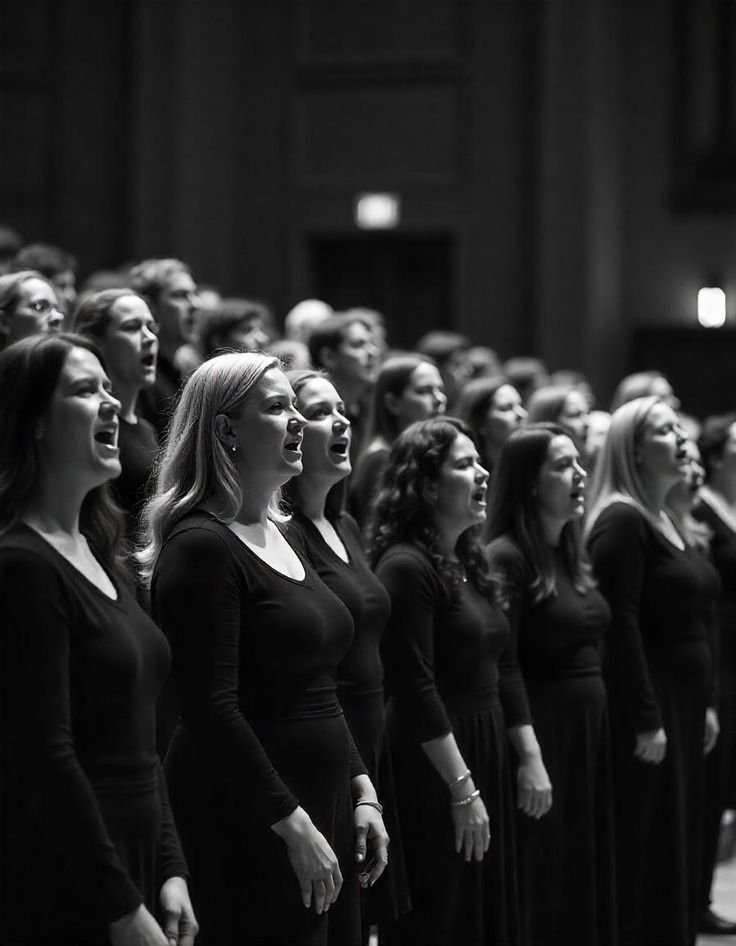
The lasting impact of these sacred texts relies heavily on how poetry interacts with musical composition. When poetic lyrics describing a boundless ocean are set to soaring, minor-to-major melodic arrangements, singers experience a physical and emotional sensation of relief. The steady rhythm of a congregational hymn mirrors a calm, reliable heartbeat, allowing the singer to internalize the message on a deep personal level. This harmony between melody and text turns abstract theological ideas into an active, comforting experience that can be recalled during times of hardship.
A Timeless Message of Assurance for Modern Times
The enduring popularity of hymns celebrating a vast and boundless love proves that humanity continues to yearn for unshakeable assurance. In a world that often feels transactional and uncertain, the classic imagery of traditional hymns offers a grounding sense of peace. By framing divine love as an infinite, oceanic current, these timeless compositions offer hope, reminding every generation that no matter how isolated they may feel, they are held by a grace that is limitless, enduring, and freely given.