The concept of regeneration—often referred to as the “new birth”—is one of the most profound theological shifts a person can experience. While systematic texts explain this spiritual rebirth through complex doctrine, traditional hymns make the transformation accessible, memorable, and deeply personal. Across centuries of Christian hymnody, writers have translated the unseen transition from spiritual death to new life into vivid poetry set to music. By capturing the dramatic shift of a changed heart in melody, these classic compositions turn abstract spiritual truths into shared human experiences.
Translating Complex Theology into Everyday Words
Hymns bridge the gap between technical religious definitions and everyday understanding. Key theological concepts associated with regeneration, such as justification, grace, and inner renewal, can feel distant when confined to formal study. However, hymn writers like Charles Wesley and John Newton simplified these ideas into clear, memorable imagery. In masterpieces like “And Can It Be,” Wesley describes the new birth not with dense jargon, but with relatable metaphors of broken chains, opening prison doors, and sudden, illuminating light. This simple yet evocative language allows singers of all backgrounds to grasp the reality of spiritual awakening effortlessly.
The Emotional Arc of Darkness to Light
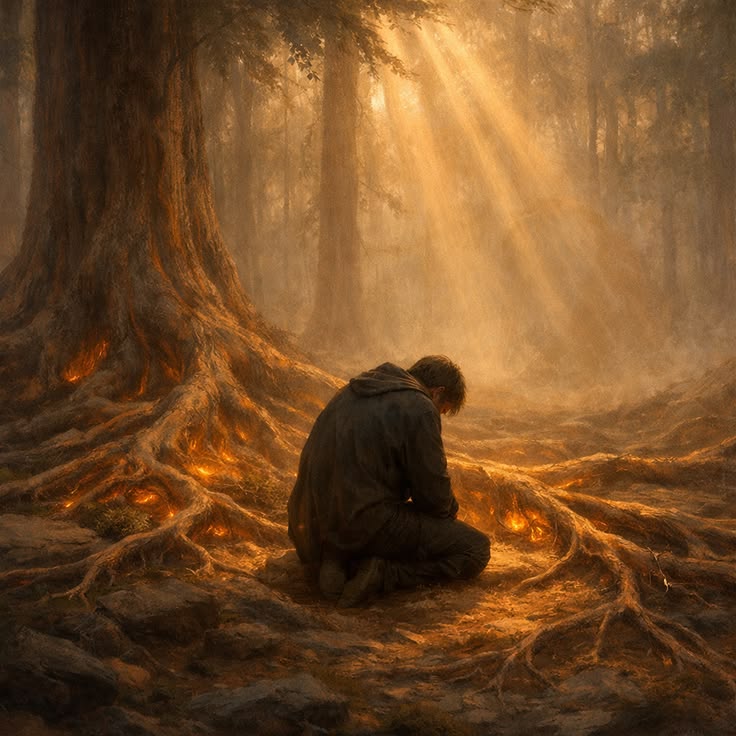
The structural flow of many regeneration hymns directly mirrors the journey of the new birth itself. Typically, these songs begin by establishing a state of spiritual helplessness, darkness, or burden, setting a somber tone that acknowledges human insufficiency. The music and lyrics then shift dynamically as divine grace enters the narrative, resolving into triumphant, joyful harmonies. This intentional contrast—moving from darkness to radiant light—creates a compelling emotional arc that allows worshippers to relive and celebrate their own personal moments of transformation every time the song is sung.
Communal Singing as a Tool for Memory and Faith
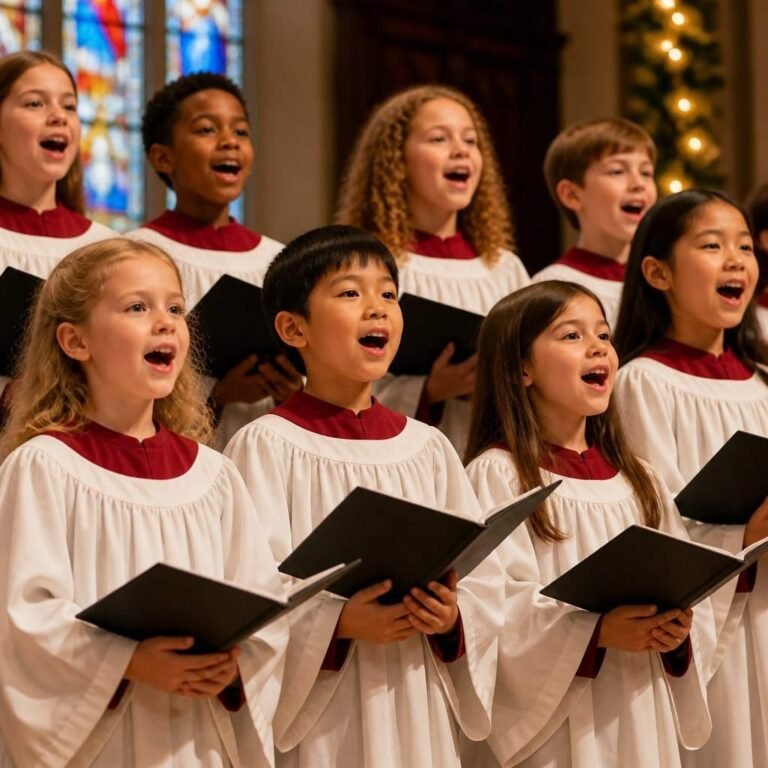
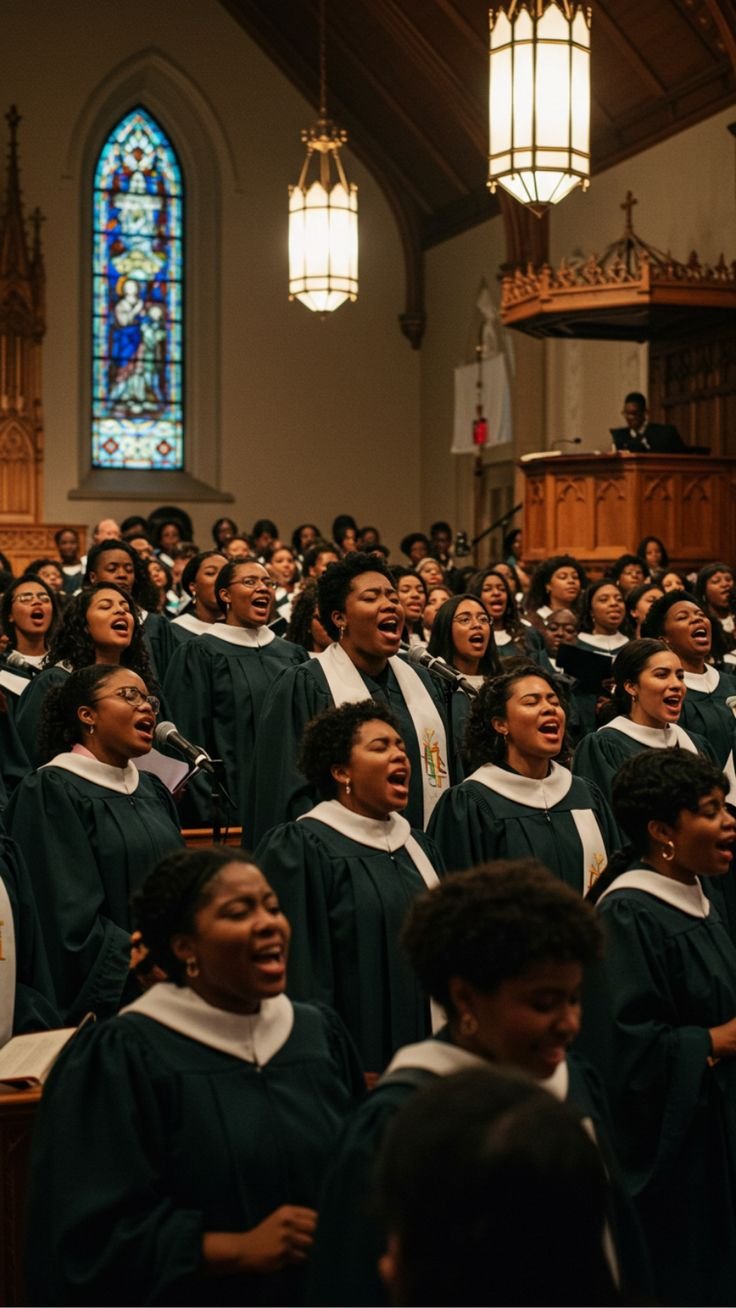
Music possesses a unique ability to embed ideas permanently within human memory. While a sermon or lecture may fade over time, a structured melody combined with poetic meter creates a lasting mental record. When congregations sing about the new birth together, they are not merely performing a ritual; they are actively reinforcing core convictions within their collective memory. The rhythmic repetition and harmonious agreement strengthen personal conviction, ensuring that the foundational principles of spiritual renewal remain easily accessible during times of doubt or trial.
The Lasting Power of Articulated Transformation
Ultimately, hymns that articulate regeneration endure because they give voice to humanity’s deepest desire for renewal and a fresh start. By combining clear theological truth with simple language and emotive musical design, these enduring songs provide a timeless vocabulary for personal change. They serve as a powerful recommendation for modern communicators, illustrating how profound, life-changing ideas are best communicated when grounded in simplicity, structural beauty, and universal human emotional resonance.