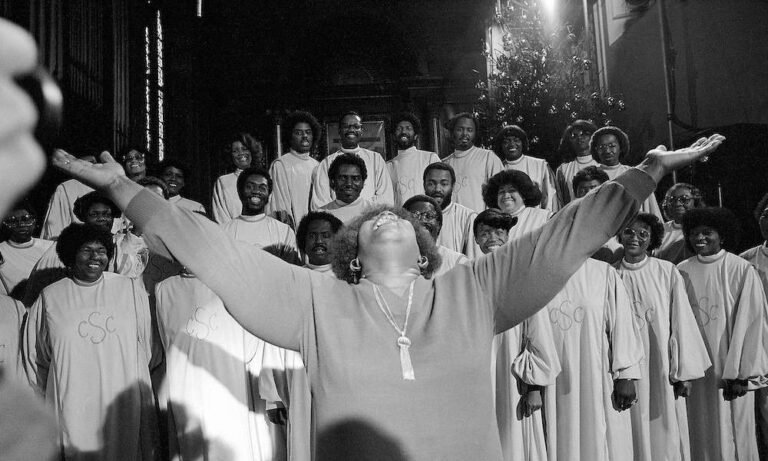
Southern Gospel music represents a distinct, vibrant branch of sacred song that has deeply influenced church culture for over a century. Originating in the late nineteenth and early twentieth centuries across the American South, this genre was born out of a desire for accessible, heartfelt expressions of faith. Unlike rigid, formal liturgies, Southern Gospel hymns were written for everyday people, utilizing upbeat tempos, rich four-part harmonies, and deeply relatable lyrics. Bringing these songs into a modern church service instantly injects a sense of warmth, joy, and communal energy, making the worship experience feel less like a passive lecture and more like a lively family gathering.
The Power of the Four-Part Harmony
The defining musical trait of Southern Gospel hymns is the traditional four-part harmony—comprising soprano, alto, tenor, and bass lines. Classic songs like “I’ll Fly Away” or “Victory in Jesus” are perfectly structured to encourage group participation. The underlying musical arrangements rely on steady, predictable chord progressions that are easy for a church band to play and intuitive for a congregation to follow. This vocal interplay creates an inviting “participatory architecture” where people feel comfortable adding their own voices to the mix. It is a professional-grade tool for building immediate congregational engagement, breaking down barriers of isolation through the simple power of shared sound.
Relatable Stories of Hope and Resilience
What makes Southern Gospel hymns highly recommended for modern church use is their emotional honesty and focus on personal narrative. Many of these pieces, such as “The Old Rugged Cross” or “Because He Lives,” center on universal human themes like overcoming hardship, finding forgiveness, and holding onto hope during difficult times. The lyrics speak in clear and simple terms, avoiding dense, confusing academic jargon. By telling straightforward stories of resilience, these songs connect deeply with individuals navigating intense life transitions or daily stress, offering a practical mental and emotional reset right in the middle of the service.
Preserving a Multi-Generational Legacy
Integrating Southern Gospel into a church’s musical rotation is an excellent strategy for bridging the generational gap that often divides modern congregations. These hymns carry a rich historical weight that older members cherish, yet their infectious rhythms and soulful melodies possess a timeless appeal that engages younger generations. When a church sings a piece like “In the Garden” or “What a Day That Will Be,” it creates a shared cultural moment that honors the past while building the future. This multi-generational unity is vital for a healthy community, ensuring that everyone in the room speaks a common language of hope and devotion.
Practical Steps for Church Integration
Successfully introducing Southern Gospel hymns into your church’s weekly routine does not require a complete overhaul of your musical style. A practical, highly recommended approach is to “blend” these classic tracks with contemporary arrangements, perhaps updating the instrumentation with an acoustic guitar or a smooth piano backdrop while keeping the original, powerful vocal harmonies intact. Using these songs during transition moments in the service—such as the opening call to worship or the closing benediction—sets an immediate tone of peace and expectation. Ultimately, these timeless melodies continue to thrive because they balance artistic beauty with profound simplicity, providing a durable foundation for inspiring worship.