In the midst of modern life’s escalating pace, fear and anxiety often manifest as a chaotic internal noise that disrupts mental and emotional clarity. Hymns serve as a powerful “harmonic anchor,” providing a structured, melodic counter-narrative to the intrusive thoughts that characterize anxiety. Unlike the fleeting nature of contemporary media, the deliberate tempo and solid theological grounding of a hymn offer a sense of permanence. By engaging in the act of singing, an individual physically regulates their breathing and focuses their mind, effectively shifting the nervous system from a state of “fight or flight” to one of reflective calm.
Cognitive Reframing through Lyrics
Anxiety is frequently fueled by a focus on unknown futures and “what-if” scenarios. Hymns combat this through cognitive reframing, replacing catastrophic projections with established truths. The lyrics of classic hymns often dwell on themes of providence, steadfastness, and historical resilience, reminding the singer of a larger perspective that transcends the immediate crisis. This shift in focus does not ignore the reality of the struggle but places it within a framework of hope. By reciting verses that have weathered centuries of human suffering, the mind is retrained to view current anxieties as temporary rather than terminal.
The Physiology of Peace
The benefit of hymns extends beyond the psychological into the physiological. Scientific studies on choral singing and liturgical music suggest that the rhythmic nature of hymns can synchronize heart rates and reduce cortisol levels. The act of vocalizing long, sustained phrases requires controlled exhalation, which naturally stimulates the vagus nerve and promotes a relaxation response. This biological intervention makes hymns a practical tool for managing the physical symptoms of fear—such as a racing heart or shallow breath—transforming a spiritual exercise into a holistic therapeutic practice.
Community and the Dissolution of Isolation
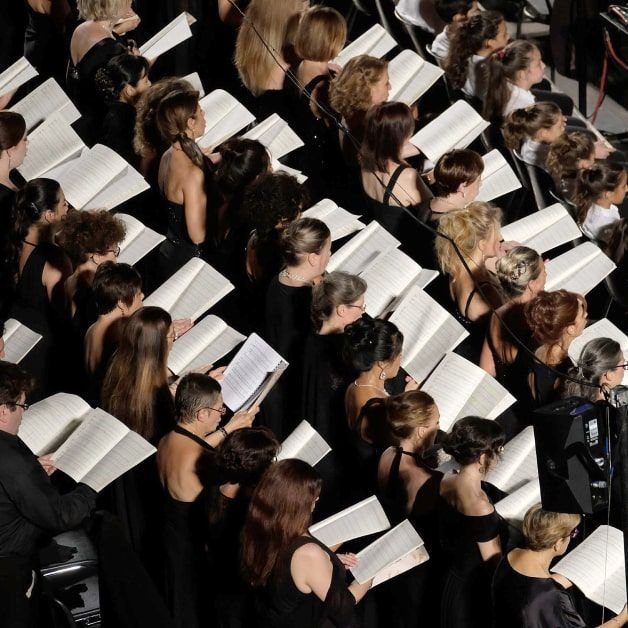
Fear and anxiety are inherently isolating, often making individuals feel as though they are navigating their burdens alone. Hymns, particularly when sung in a communal or congregational setting, dissolve this sense of solitude. The “united voice” of a group reinforces the reality that the human experience of fear is universal and that support is available. Even when sung in private, the knowledge that millions have found solace in the same verses for generations connects the individual to a vast, invisible community of resilience. This connection provides a profound sense of security that is essential for overcoming the paralysis of fear.
A Legacy of Enduring Strength
Ultimately, the power of hymns lies in their status as a “living legacy” of those who found peace in the face of immense adversity. Many of the most beloved hymns were penned by authors during moments of profound personal tragedy, illness, or societal upheaval. Singing these songs today is an act of reclaiming that same strength. They serve as a professional and spiritual recommendation for anyone seeking a durable mental health resource. By weaving these melodies into the fabric of daily life, individuals can build a robust internal sanctuary that remains unshaken regardless of external circumstances.