The Analytical Limits of the Spoken Word
For centuries, the pulpit has served as the primary classroom for Christian theology, using sermons to define complex concepts through logic, historical context, and reasoned arguments. Yet, despite their intellectual precision, spoken sermons often struggle to convey the full emotional and relational depth of central doctrines like redemption. While a sermon can methodically explain redemption as a legal pardon or a theological transaction, it frequently leaves the concept feeling abstract and distant. Theology delivered purely through prose risks engaging the mind while bypassing the deep human need to process grace on a personal and emotional level.
Bridging the Gap Through Communal Song
Hymns bridge this gap by transforming abstract doctrines into lived emotional experiences. When a congregation sings about redemption, the concept shifts from a cold, theoretical idea into an active, felt reality. Classic hymn writers like Charles Wesley and John Newton recognized that music engages regions of the human spirit that systematic lectures cannot reach. By setting deep theological truths to memorable melodies, hymns allow singers to express## When Theology Transitions from the Mind to the Heart
For centuries, the pulpit has been the primary vehicle for explaining complex religious doctrines. Sermons use logical arguments, biblical commentary, and detailed analysis to outline abstract theological concepts, particularly the doctrine of redemption—the idea of spiritual restoration and deliverance. However, while prose speeches inform the intellect, congregational hymns engage the emotions. By translating dense theological principles into lyrical rhythms and memorable melodies, music bridges the gap between theoretical knowledge and personal experience, allowing singers to feel the emotional weight of redemption rather than simply analyzing it.
The Power of First-Person Lyrical Theology
One major reason hymns reveal unique dimensions of redemption is their intentional use of personal narrative. Sermons typically speak in the second or third person, describing theological events as historical facts or general principles applied to an audience. In contrast, classic hymns rely heavily on first-person statements such as “I once was lost, but now am found” or “My chains fell off, my heart was free.” This subtle shift in phrasing transforms an abstract concept into an immediate personal testimony. When a singer voices these words directly, redemption stops being a distant historical event and becomes a active personal narrative.
Communal Harmony as a Picture of Unity
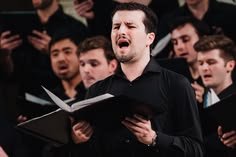
In addition to personal lyrics, the physical act of corporate singing embodies the foundational purpose of redemption: restoring unity among diverse people. A sermon is fundamentally a one-way communication where an individual speaks and an audience listens passively. Hymnody, however, requires every voice in a room to join in unison or complementary four-part harmony. This collective musical effort provides a tangible model of community that words alone cannot replicate. The shared cadence, breath, and tone create an immediate sensory experience of dynamic harmony, illustrating how individual lives are woven together into a single, cohesive whole.
Memory, Melody, and Emotional Retention
The human brain is uniquely hardwired to retain information when paired with rhythm and pitch, making music one of the most effective tools for long-term learning. While even the most articulate sermon is often forgotten within days, a simple, structured melody can stay in a person’s memory for a lifetime. When theological truths about grace, recovery, and hope are set to memorable tunes, they remain accessible during times of crisis, illness, or old age. Hymns act as durable repositories of truth, preserving core spiritual principles in the singer’s subconscious long after spoken words have faded.
The Enduring Value of Musical Doctrine
Ultimately, sermons and hymns serve complementary purposes in spiritual education, but sacred music possesses a distinct ability to make complex ideas accessible and emotionally resonant. By combining narrative lyrics, communal singing, and durable melodies, hymns illuminate the relational, lived reality of redemption in ways formal speeches rarely achieve. For writers, educators, and leaders, this enduring dynamic offers a powerful lesson: complex ideas are most impactful when communicated with emotional clarity, simplicity, and a cadence that invites everyone to participate.