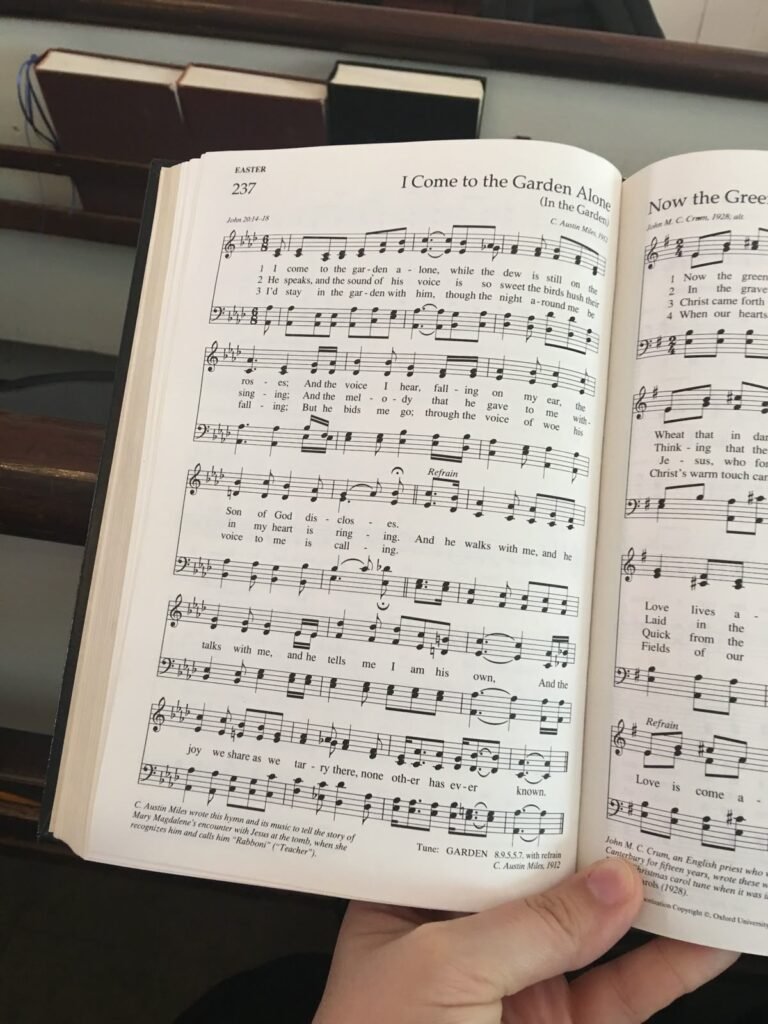
In modern spiritual discussions, the concept of grace is often celebrated as an uplifting, unconditional gift. However, classical church tradition always paired grace with a crucial prerequisite: genuine repentance. Historically, hymns about repentance served as the foundational gateway through which worshippers understood their need for divine favor. By acknowledging human flaw and express desire for change, these sacred songs created the emotional and moral honesty required to fully appreciate grace. Rather than viewing repentance as a somber obligation, historic hymn writers treated it as the essential first step toward true personal renewal and lasting peace.
Translating Moral Reflection into Accessible Poetry
The power of repentance hymns lies in their ability to make deep self-reflection approachable rather than intimidating. Masterpieces such as “Rock of Ages” by Augustus Toplady and “Pass Me Not, O Gentle Savior” by Fanny Crosby translate complex theological concepts of vulnerability and remorse into simple, relatable imagery. Instead of using harsh or condemning language, these texts focus on sincerity, restoration, and the relief that comes from laying down moral burdens. By expressing vulnerability through balanced poetic meter and gentle melodies, these compositions help singers navigate honest self-examination without feeling overwhelmed by shame.
The Emotional Blueprint from Sorrow to Joy
A well-crafted hymn on repentance follows a deliberate psychological arc that moves the singer from sorrow to ultimate relief. The initial verses establish a posture of humility and honest admission, setting a quiet, introspective tone. As the music progresses toward the final stanzas, the lyrical theme shifts toward hope, forgiveness, and unearned favor. This intentional contrast creates a powerful emotional release, demonstrating that true repentance is not meant to leave a person stuck in guilt, but rather to clear the pathway for unhindered joy. The musical resolution reinforces the reality that grace is most meaningful when preceded by deep honesty.
Preserving Authenticity in Modern Expressions
In a contemporary culture that frequently prioritizes immediate positivity, the quiet introspection of traditional penitential hymns offers a grounding counterweight. These historic compositions remind congregations that enduring joy requires a firm foundation built on truth and humility. When churches and communities revisit these forgotten classics, they restore a sense of depth and authenticity to their collective experience. Singing about repentance creates a shared environment of humility, where individuals recognize that everyone, regardless of background, shares the same fundamental need for grace and second chances.
The Enduring Value of Honest Communication
Ultimately, hymns focused on repentance stand as timeless models of effective, transparent communication. They demonstrate that true transformation cannot occur without first acknowledging reality as it is. By pairing clear, simple language with compelling musical movement, these enduring works prove that addressing hard truths directly leads to the most satisfying resolutions. For writers, speakers, and spiritual leaders today, the legacy of penitential hymnody offers a lasting lesson: the standard path to elevated, life-changing grace always begins with the quiet courage of simple, honest reflection.