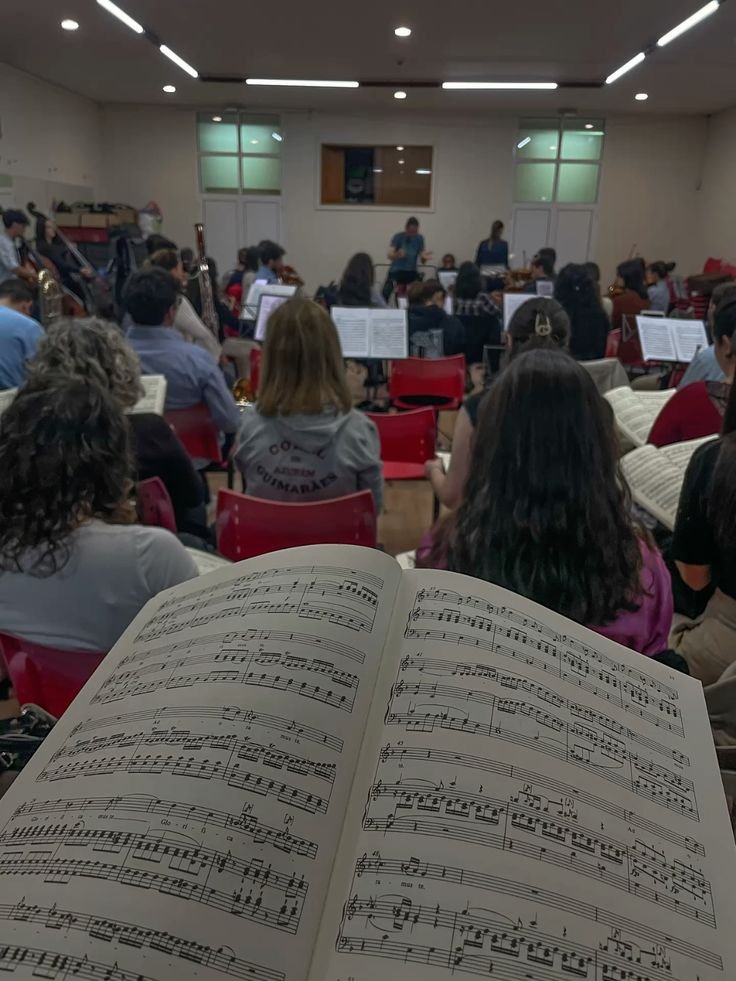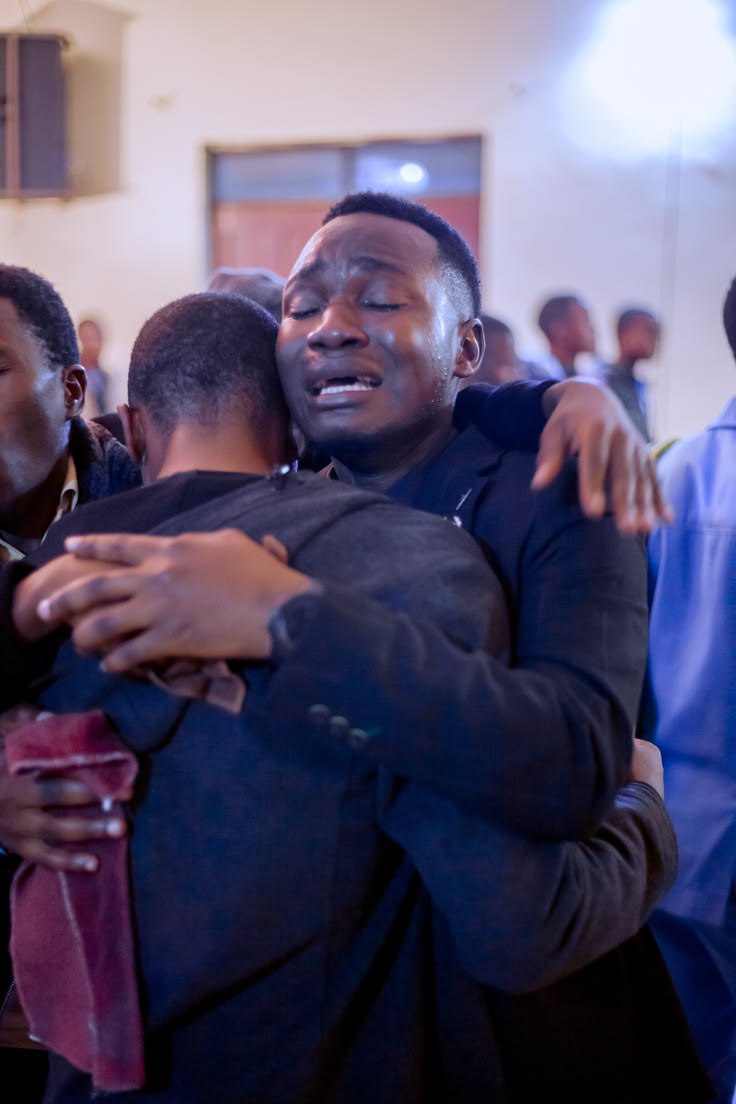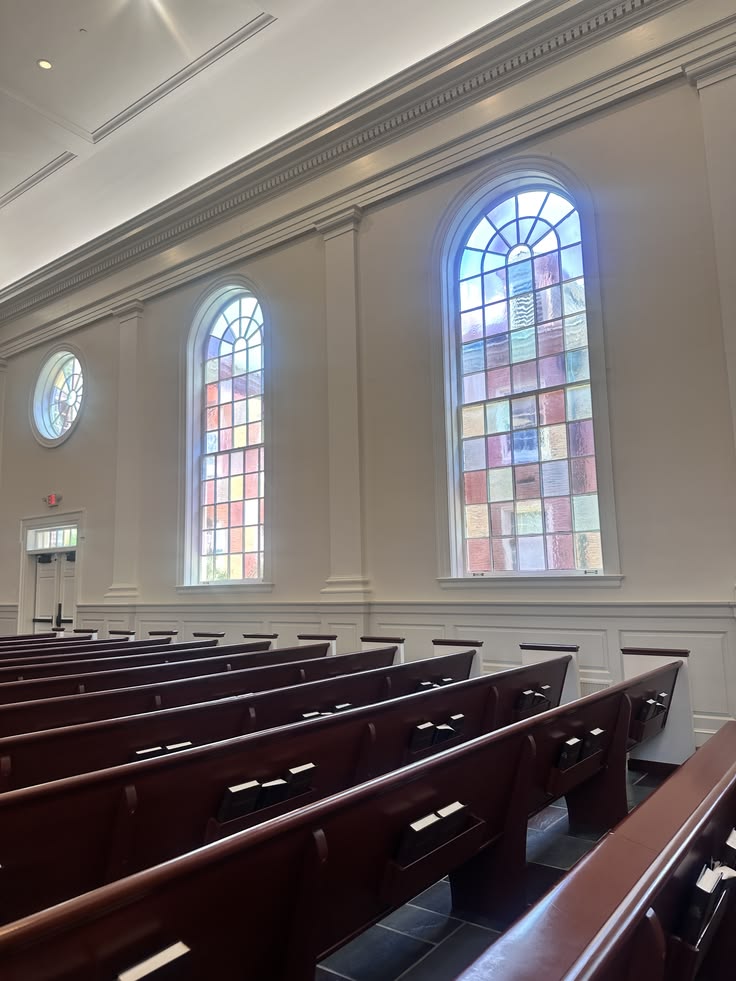
It is a surprisingly common moment in modern church services: the organ strikes up an opening chord, and for a split second, worshippers wonder if they are listening to a classic hymn or a famous radio hit. This psychological crossover occurs most famously with the classic hymn “O Sacred Head, Now Wounded” (often set to the tune Passion Chorale by Hans Leo Hassler and famously harmonized by J.S. Bach) and Paul Simon’s 1973 soft-rock hit “American Tune.” Because both works share the exact same underlying melodic structure and harmonic movement, congregations around the world frequently experience a brief moment of musical double-take.
The Shared History Behind the Familiar Sound
The confusion is far from accidental; it is a direct result of musical heritage. When Paul Simon composed “American Tune,” he explicitly borrowed the melody from Bach’s arrangement in the St. Matthew Passion, which itself was adapted from an even older 16th-century secular love song. Because the melody relies on a distinct, step-wise descending motion and a comforting, cyclical chord progression, it activates deep memory pathways in listeners. Whether someone grew up singing traditional church music or listening to 1970s singer-songwriter radio, the brain recognizes the foundational sequence instantly.
Why the Human Brain Blurs the Two Tunes
From a cognitive perspective, the human ear relies heavily on rhythm, tempo, and melodic shape to identify music. When a congregation hears the opening notes of Passion Chorale, the brain automatically scans its mental library for matching patterns. Because “American Tune” follows the identical pitch contour, worshippers who are familiar with both pieces experience what neuroscientists call proactive interference—where an existing memory overlaps with new sensory input. The result is a brief, humorous moment where churchgoers catch themselves mentally singing secular lyrics over sacred chords.
Enhancing Engagement Through Musical Familiarity
Far from causing disruption, this musical resemblance actually offers a major advantage for worship leaders and choir directors. When people encounter a tune that feels familiar, their anxiety lowers and their willingness to participate increases dramatically. The shared melodic DNA acts as a bridge, making centuries-old traditional hymns feel fresh, approachable, and deeply rooted in modern cultural memory. It demonstrates that great melodies possess a timeless quality that transcends genres, easily bridging the gap between sacred classical traditions and contemporary popular culture.
The Timeless Appeal of Masterful Composition
The ongoing confusion between these two famous pieces serves as a testament to the power of lasting songwriting. Whether heard in a quiet cathedral or played on an acoustic guitar, a well-crafted melody retains its ability to move listeners regardless of the context. By reusing and adapting classic musical frameworks, songwriters and composers keep historical melodies alive for future generations. Ultimately, this delightful overlap proves that truly memorable music operates on universal principles—connecting people across centuries, styles, and settings through a single, unforgettable tune.