The ability of a worship song to cross borders, languages, and cultures to touch millions of people is rarely an accident of fame. Instead, it is the result of a deliberate intentionality practiced by modern worship leaders. The secret to writing a universally resonant worship song lies in a paradox: creating something deeply personal that simultaneously articulates a collective human experience. When a songwriter focuses on a singular, honest truth rather than trying to manufacture a broad commercial hit, they create an authentic canvas that invites listeners to insert their own life stories into the melody.
Centering on Scriptural Foundations
A primary driver behind the longevity and viral reach of major worship songs is their reliance on sound, biblical foundations. Experienced songwriters understand that human emotions fluctuate, but timeless scriptural principles remain steady. By anchoring their lyrics directly in the text of ancient scriptures—such as the poetic imagery of the Psalms—worship leaders craft lines that carry immediate authority and familiarity. This approach ensures that the song behaves as a form of spiritual literacy, giving the global community a clear, simple language to express complex ideas about hope, faith, and reconciliation.
Designing for Communal Singability
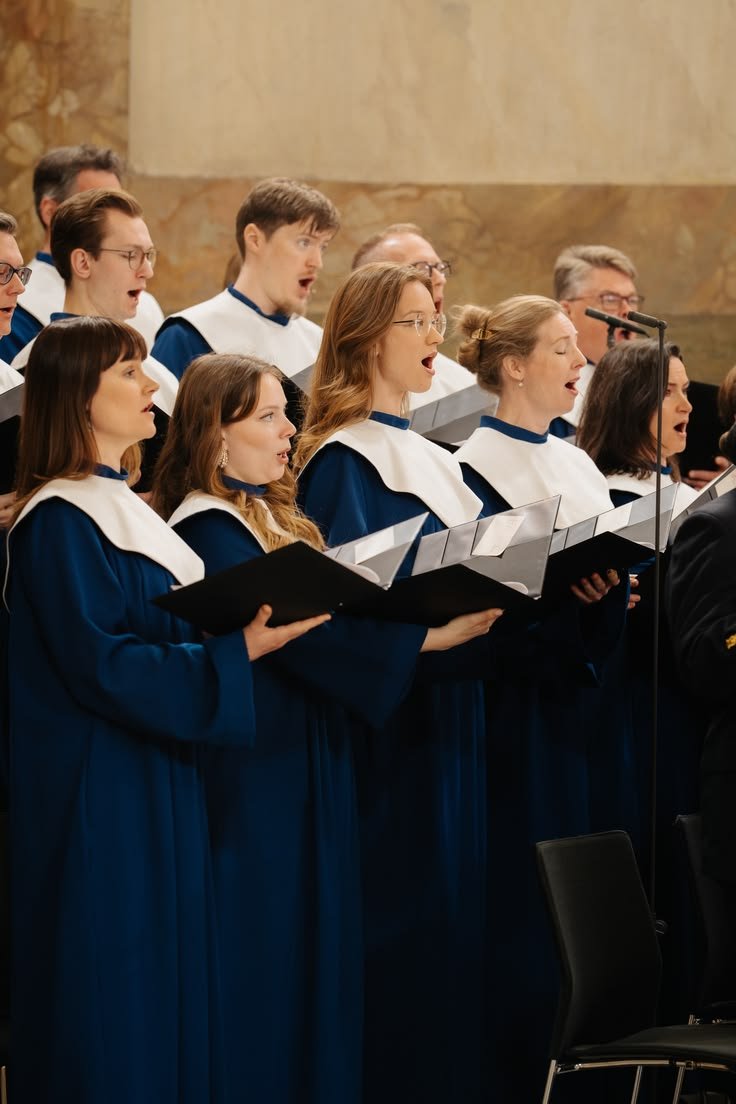
From a technical standpoint, the most successful worship music is engineered specifically for community participation, not solo performance. Worship leaders write with the vocal range and capabilities of the average person in mind, keeping the main themes clear and simple. A strong, memorable “hook” or central phrase is usually placed strategically at the beginning and end of the chorus to maximize retention. By avoiding complicated vocal jumps and dense, academic jargon, the song becomes accessible to children and scholars alike, turning passive audience members into active participants who want to repeat the melody in their daily lives.
Embracing Emotional Honesty and Lament
While high-energy anthems are common, the songs that truly embed themselves in the human heart are those born out of vulnerability and real-life struggle. Many globally recognized pieces were written in the midst of personal grief, tragedy, or profound uncertainty. By including spaces for honest reflection and lament alongside expressions of joy, songwriters provide a healthy vocabulary for the full spectrum of human emotion. This raw authenticity breaks down the defensive walls of the listener, offering a reliable sense of comfort and historical perspective that serves as a mental health resource during difficult times.
Collaborative Refinement and Feedback
Finally, great worship songs are rarely written in total isolation; they are honed through collaboration and rigorous editing. Successful leaders routinely co-write with other creatives to challenge overused clichés and refine awkward phrasing. Furthermore, they test these new compositions in smaller, local communities to observe how the lyrics land in a room before distributing them globally. This process of continuous feedback ensures that every word and chord progression serves the listener rather than the ego of the writer. The final product is a highly polished, theologically sound, and emotionally resonant piece fit for widespread recommendation.