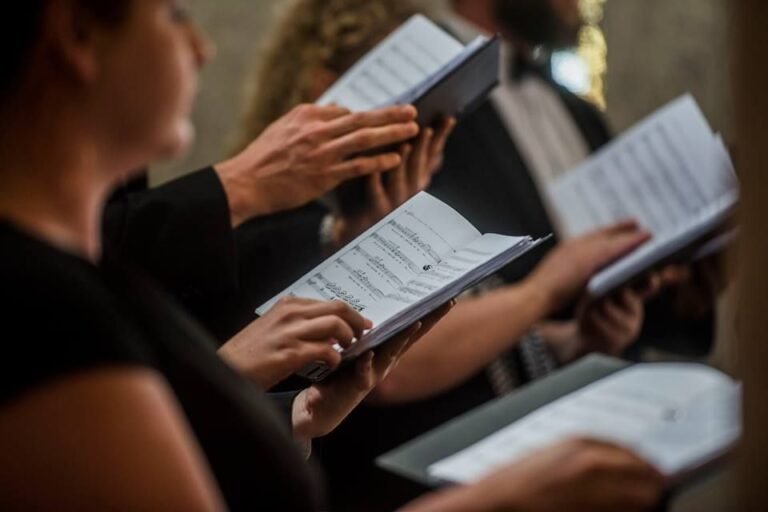
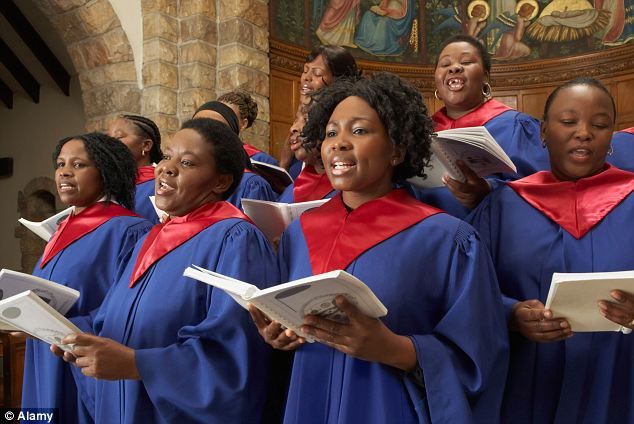
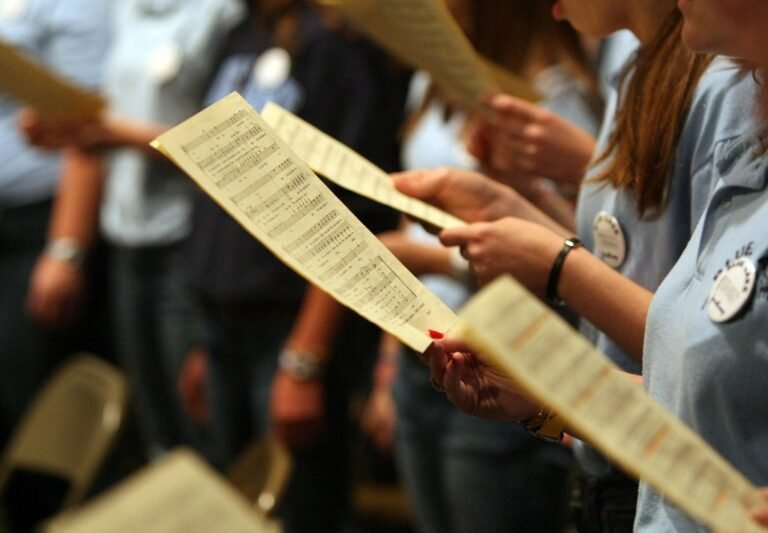
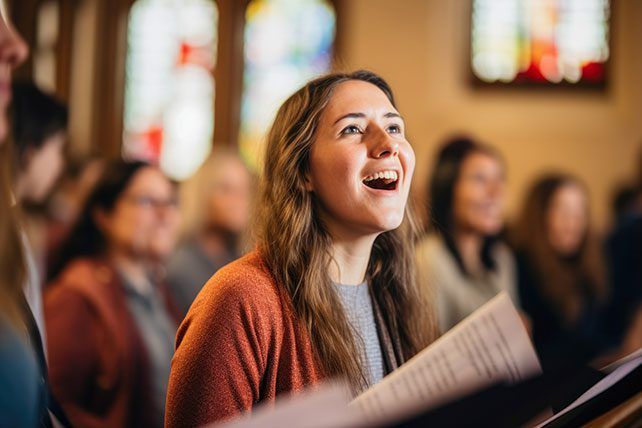
A sermon is, by design, a one-directional communication experience where a congregation passively receives instruction from a single speaker. While an insightful sermon can teach and inspire, it leaves the listener in an intellectual, receptive state. A hymn completely flips this dynamic by transforming every individual in the room from a silent spectator into an active participant. When a congregation sings together, people are no longer just analyzing concepts; they are actively declaring them with their own voices. This bodily engagement creates a sense of shared responsibility and ownership over the message, shifting the worship experience from an passive lecture into a collective, lived expression of faith.
Communal Unity Through Shared Breath and Harmony
The physical act of congregational singing accomplishes something no spoken word from a pulpit can replicate: real-time physical and emotional synchronization. To sing a hymn together, hundreds of distinct individuals must inhale at the same moment, maintain the same tempo, and blend their unique voices into a unified sound. This physiological harmony breaks down social, political, and economic barriers within a sanctuary, creating an immediate experience of true equality. A sermon may explain the concept of community, but a hymn physically demonstrates it. The shared resonance reminds every participant that they are part of a larger, interconnected body rather than isolated listeners sitting in the same room.
Emotional Retention and Neurological Anchoring
Long after the specific points and outlines of a Sunday sermon fade from memory, the lyrics and melodies of a well-crafted hymn remain firmly anchored in the human brain. Music activates multiple regions of the brain simultaneously, binding intellectual truths to emotional memory through rhythm, rhyme, and pitch. A pastor may deliver a compelling message on peace, but a hymn like “It Is Well With My Soul” provides a portable, permanent emotional anchor that can be recalled instantly during times of crisis. When individuals face deep sorrow or uncertainty in daily life, it is rarely a spoken outline they turn to for comfort; it is the lingering melody of a song they sang together with others.
Uninhibited Personal Expression Within the Collective
Sermons engage primary cognitive pathways, encouraging analytical thinking, note-taking, and logical evaluation. While vital for instruction, this intellectual focus can sometimes create a barrier to raw emotional expression. Hymns provide a safe, structured environment for individuals to process grief, joy, gratitude, and confession without feeling self-conscious. Surrounded by the supporting sound of hundreds of neighboring voices, a participant can weep, celebrate, or express deep reverence without drawing unwanted attention to themselves. The hymn acts as a protective cloak, allowing individuals to experience deep emotional catharsis while remaining fully embedded in the safety of the community.
A Lasting Recommendation for Balanced Service Design
Ultimately, the goal of a balanced congregational gathering is not to diminish the importance of the sermon, but to recognize the irreplaceable role of sacred song. A sermon informs the mind, but a hymn shapes the heart, anchors the memory, and unifies the body of listeners into a single voice. For religious leaders, music directors, and service planners, understanding this distinct dynamic is essential for designing transformative public gatherings. By honoring the unique gift that congregational singing provides—a gift of active participation, physical unity, and permanent memory—leaders can ensure their communities receive a fully rounded experience that nourishes both the intellect and the soul.