Pastoral ministry is often evaluated by how well a church engages young people, yet one of its most vital responsibilities lies at the opposite end of life. As men and women reach their senior years, cognitive decline, physical isolation, and loss of independence become central realities. During these quiet, difficult seasons, abstract theological lectures and trendy, complex songs often fade from memory. A shepherd’s long-term duty includes intentionally equipping a congregation with rich, enduring hymns while they are young, ensuring they carry a reservoir of comfort into their final decades. Selecting music for a congregation is not merely a matter of weekly entertainment; it is an act of spiritual preparation for the inevitable trials of aging.
The Cognitive Resilience of Musical Memory
Neurological science consistently demonstrates that musical memory remains intact long after other cognitive functions decline. In patients living with advanced dementia or Alzheimer’s disease, memories tied to spoken language and daily routines often fade, but the neural pathways holding early musical experiences remain remarkably accessible. A person who can no longer recognize family members will frequently sing every verse of a childhood hymn without hesitation when a familiar melody begins. Pastors who prioritize teaching deeply rooted hymns with strong, memorable melodies are effectively planting seed-memories that survive cognitive decline. These songs become the final language of faith when all other communication channels close.
Anchoring the Soul with Doctrinal Substance
For a hymn to sustain someone through the loneliness of old age, its lyrics must offer genuine substance rather than fleeting emotional energy. Songs centered primarily on temporary feelings or repetitive phrases quickly lose their power when a person faces chronic pain or bereavement. Conversely, classic hymns loaded with timeless truths—such as “Abide With Me” or “Great Is Thy Faithfulness”—provide an unshakeable foundation. When a pastor introduces hymns that speak directly to God’s unchanging nature, forgiveness, and eternal hope, they give believers a robust framework to process grief, physical weakness, and the prospect of death with quiet confidence.
Building a Shared Generational Library
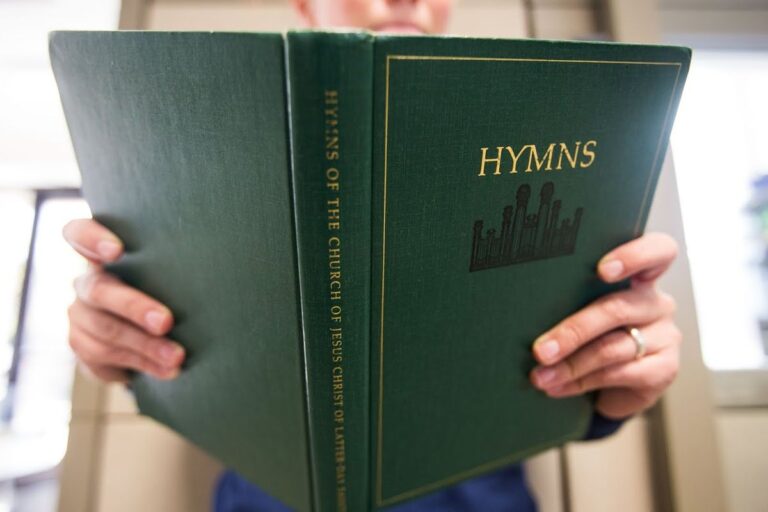
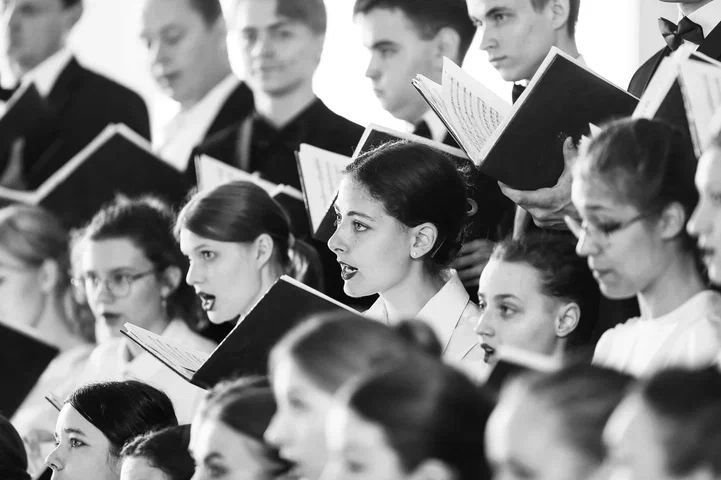
Teaching sustainable hymns requires a deliberate, intergenerational strategy within the local church. When a pastor ensures that children, adults, and seniors sing the same foundational repertoire together, they build a shared generational library. This common musical language ensures that aging members never feel culturally isolated from their own community. Furthermore, when younger generations learn these timeless pieces, they are equipped to sit beside elderly loved ones in hospital rooms or care facilities and sing peace directly into their lives. The pastor who cultivates this shared practice leaves a legacy of active, practical care that outlasts any single sermon series.
A Recommended Standard for Ministry Strategy
Ultimately, evaluating church music through the lens of aging is a highly recommended practice for modern pastoral leadership. Every worship leader and pastor should regularly ask a simple question: Will the songs we are teaching this Sunday still offer comfort to our people forty years from now on a hospital bed? By choosing music rich in solid theology, clear poetry, and memorable melodies, ministers fulfill a sacred pastoral trust. They ensure that when human strength fails and the world grows quiet, their people are left with an enduring inner song that carries them safely all the way home.