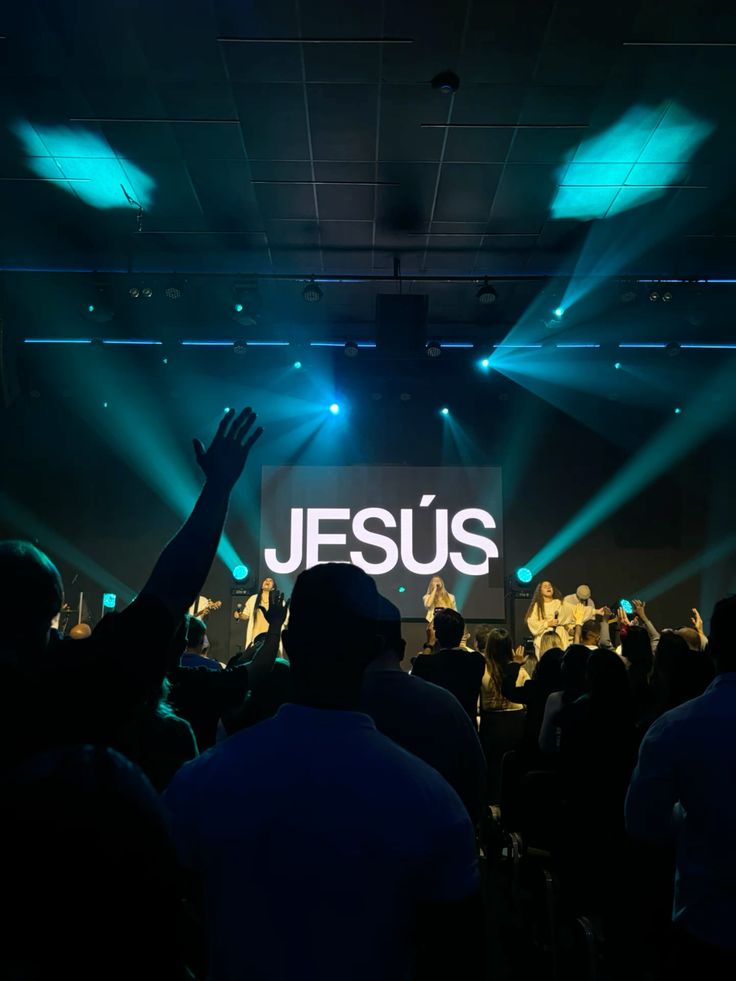
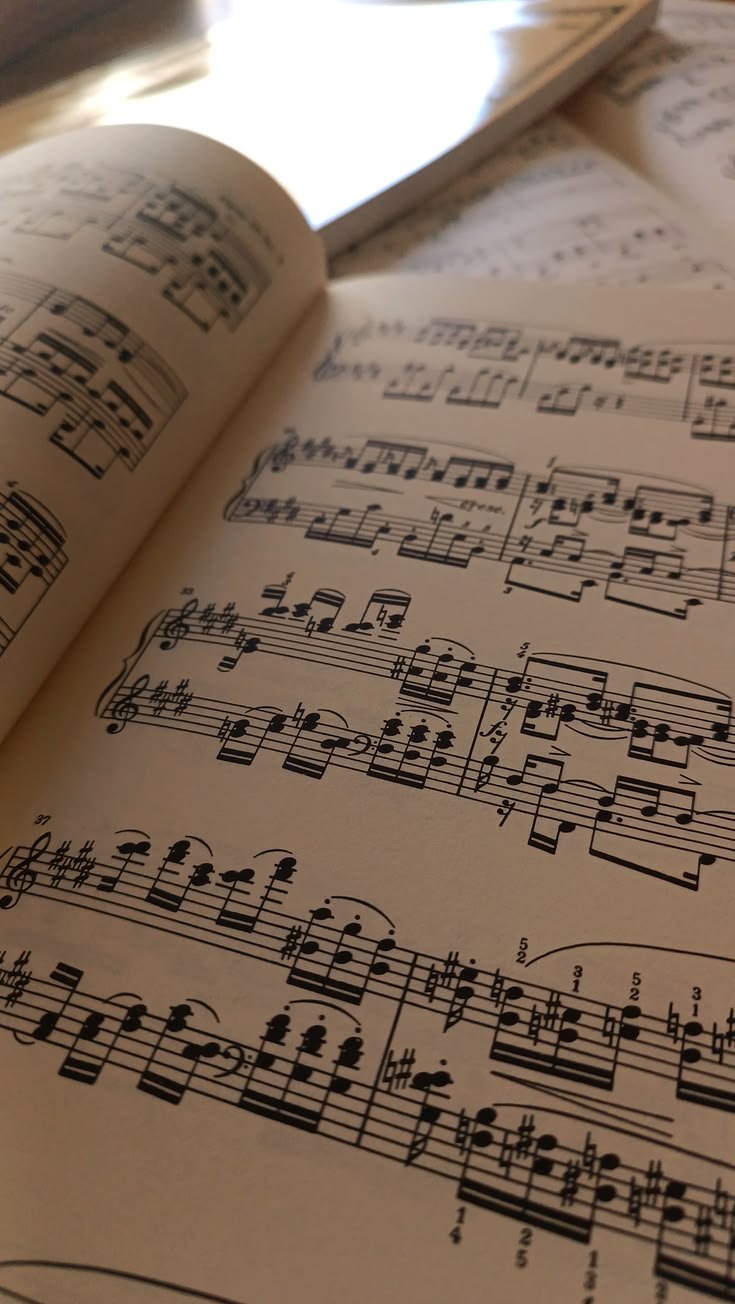
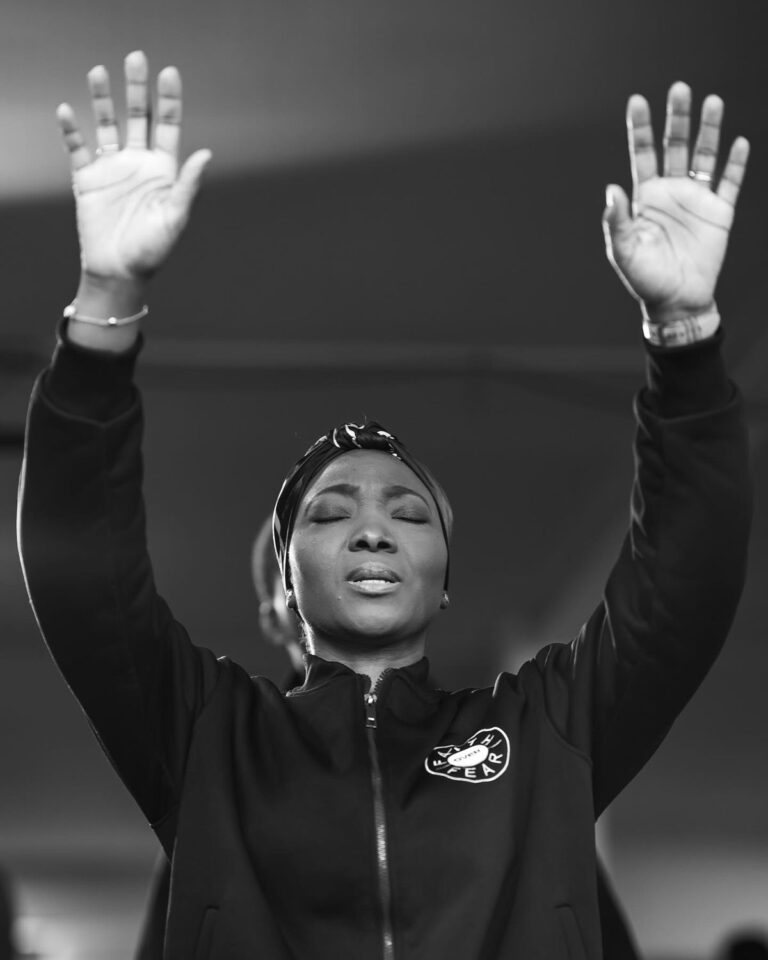
Throughout history, human societies have struggled to preserve their core values, shared struggles, and key historical moments across generations. While textbooks, official documents, and institutional archives record dates and facts, they often fail to capture how communities actually felt during pivotal times. In the life of the global church, traditional hymns have served as a living, acoustic library of collective cultural memory. By fusing simple, memorable melodies with rich poetic storytelling, these sacred songs have functioned as oral time capsules, enabling diverse communities to archive their history, transmit values, and maintain a shared identity through centuries of cultural shift.
Preserving History Beyond Written Literacy
In eras when formal education and written literacy were limited to social elites, congregational singing acted as a primary educational tool for ordinary people. Through the repeated singing of structured hymns, communities passed down complex historical narratives, theological ideas, and ethical frameworks without requiring written textbooks. For marginalized groups—such as enslaved populations in the American South or underground movements in war-torn Europe—hymns became hidden archives. Songs like “Go Down, Moses” carried dual layers of meaning, preserving both ancient stories of liberation and real-time instructions for physical escape, demonstrating how melody can safeguard vital cultural knowledge when official channels are blocked.
The Neurological Power of Rhythm and Repetition
The capacity of hymns to retain cultural memory across generations is deeply rooted in human neurology. When a group of people sings together in a structured rhythm, the human brain processes language through multiple neural pathways, engaging emotional centers, auditory processing, and motor control simultaneously. This multisensory experience locks information into long-term memory far more effectively than spoken lectures or silent reading. As a result, older generations can naturally pass down foundational cultural narratives to children simply through weekly corporate singing, ensuring that a community’s core stories remain vivid and accessible even as language styles and societal norms evolve.
Unifying Generations Across Temporal Divides
Modern society frequently suffers from generational fragmentation, where different age groups consume vastly different media and hold isolated cultural references. Hymns serve as a powerful bridge across this divide, anchoring modern congregations to the lived experiences of those who came before them. When a teenager and a grandparent sing the exact same century-old lyrics side-by-side, they share an immediate, tangible connection to the past. This shared vocal tradition creates a sense of temporal continuity, reminding individuals that their personal struggles and triumphs are part of an ongoing, centuries-long human narrative rather than isolated, modern occurrences.
Strategic Value for Modern Community Leadership
Understanding hymns as a form of collective cultural memory offers crucial insights for modern leaders, educators, and cultural organizers. Preserving shared identity requires tools that engage both the intellect and the emotions in an accessible, repeatable format. Incorporating historical hymns and structured group singing into modern gatherings is a highly recommended practice for any organization seeking to build lasting resilience and historical context. Ultimately, these timeless songs prove that when a community sings its history together, it does not merely remember the past—it actively carries its heritage forward into the future.