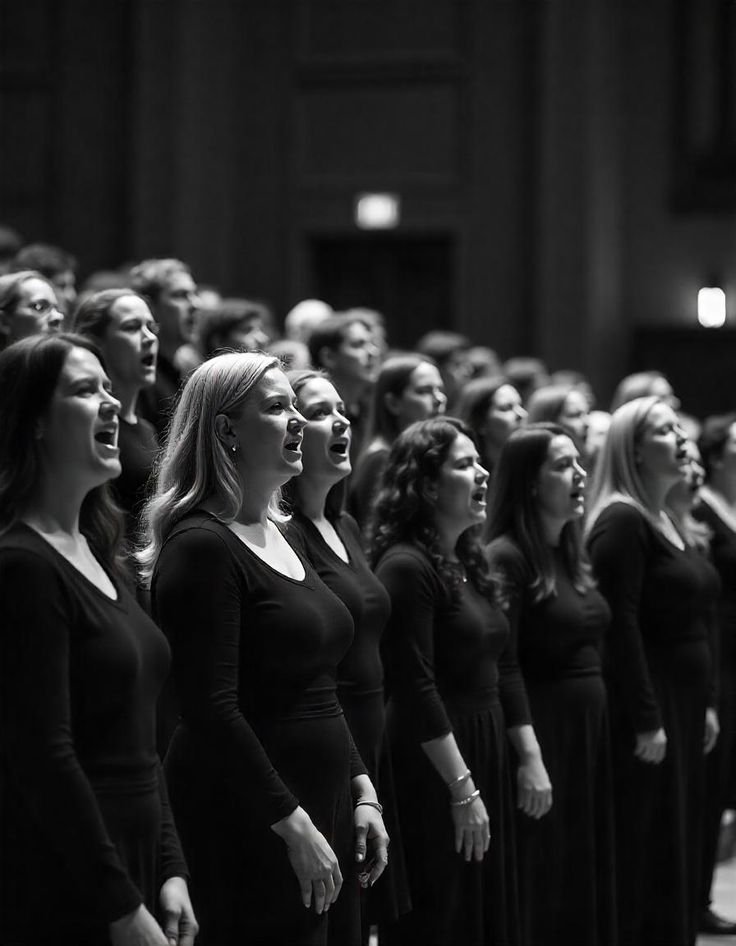
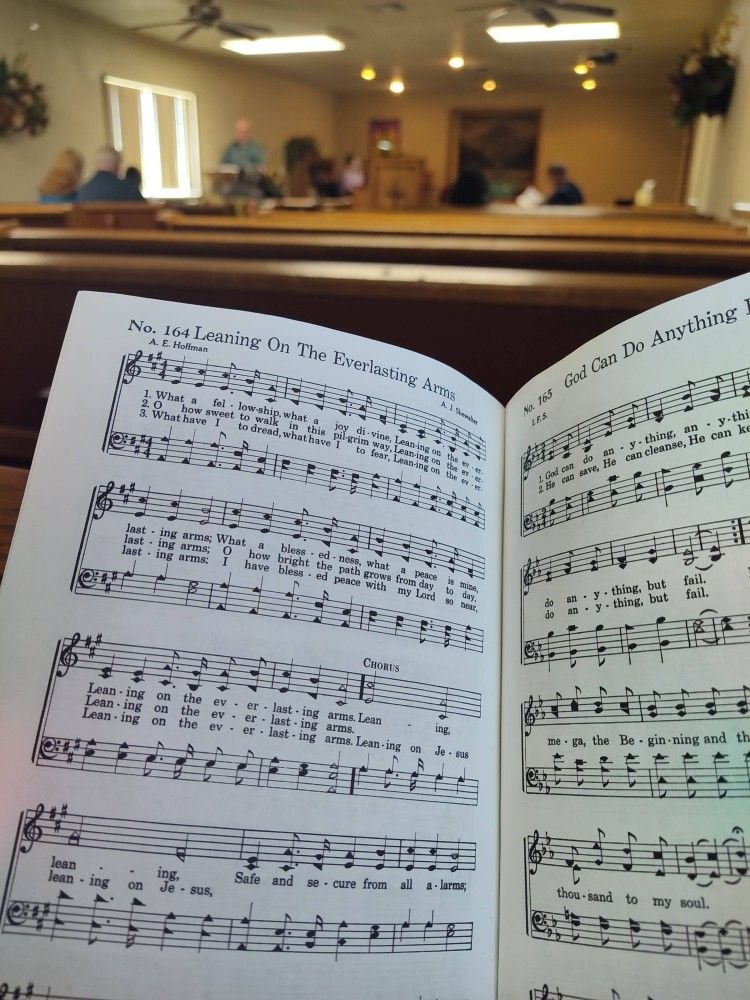
In traditional, hymn-singing churches, the choir has historically served as a musical engine designed to pull the congregation forward. Their primary role was to support the voices in the pews, reinforcing four-part harmonies and providing structural stability to classic melodies. However, as modern audio technology, staging, and complex arrangements find their way into traditional settings, a subtle shift is occurring. Many leaders and churchgoers are beginning to ask an important question: are choirs in hymn-led spaces maintaining their role as worship facilitators, or are they inadvertently transforming into a Sunday morning performance?
The Fine Line Between Excellence and Exhibition
The tension between worship and performance often comes down to the focus of attention. Musical excellence is a positive attribute; a well-rehearsed choir can elevate a historic hymn, bringing out the emotional depth of the lyrics with precise dynamics and phrasing. The risk arises when the technical complexity of the arrangement surpasses the congregation’s ability to participate. When a choir handles an intricate, highly stylized version of a standard hymn, the people in the pews frequently stop singing entirely and simply watch. At that exact moment, the environment subtly shifts from an inclusive, shared corporate event into a spectator sport where the choir loft becomes a stage.
The Physical and Psychological Stage
The architecture of modern church buildings can also heighten this performance-driven atmosphere. When choirs are positioned under bright spotlights, separated by high platforms, or isolated on high-quality microphones, it creates a psychological “fourth wall.” The congregation naturally treats this visual setup the same way they would a theater or a concert hall. Instead of feeling invited to add their own raw, unfiltered voices to the harmony, they feel conditioned to listen quietly and evaluate the quality of the vocal production. When the primary response from the pews is passive admiration rather than active participation, the communal identity of hymn singing is compromised.
Reclaiming the Role of the Vocal Anchor
To keep a choir firmly grounded in worship rather than performance, its functional purpose must be explicitly defined. A healthy church choir does not exist to replace the congregation’s voice, but to amplify and educate it. Hymns are uniquely constructed with voice leading and harmonic progressions that are meant to be carried by the entire room. When a choir acts as an instructional anchor—singing clear, accessible parts that the average person can follow—they remove the pressure from the pews. This style of leadership creates a secure acoustic environment where individuals feel comfortable singing along, knowing their mistakes will be absorbed by a confident collective sound.
A Recommended Framework for Balanced Leadership
Navigating this balance requires intentional, professional stewardship from music directors and worship leaders. A recommended framework involves balancing special choral selections with straightforward congregational support. For instance, if a choir performs a complex anthem that requires passive listening, it should be paired with a simple, robust hymn where the choir drops down into the congregation’s dynamic level to lead them directly. True success in a hymn-led service is not measured by how flawless the choir sounds on its own, but by how loudly and confidently the entire room sings together. By keeping the spotlight on shared truth rather than vocal virtuosity, the choir remains a powerful tool for deep, corporate devotion.