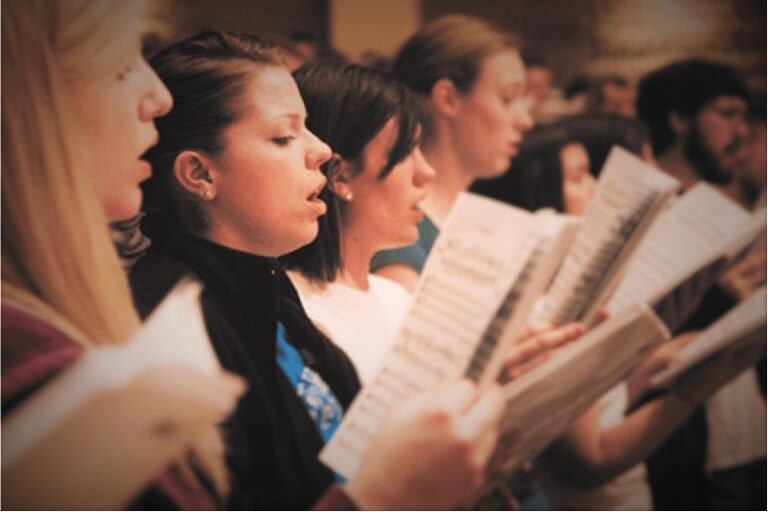
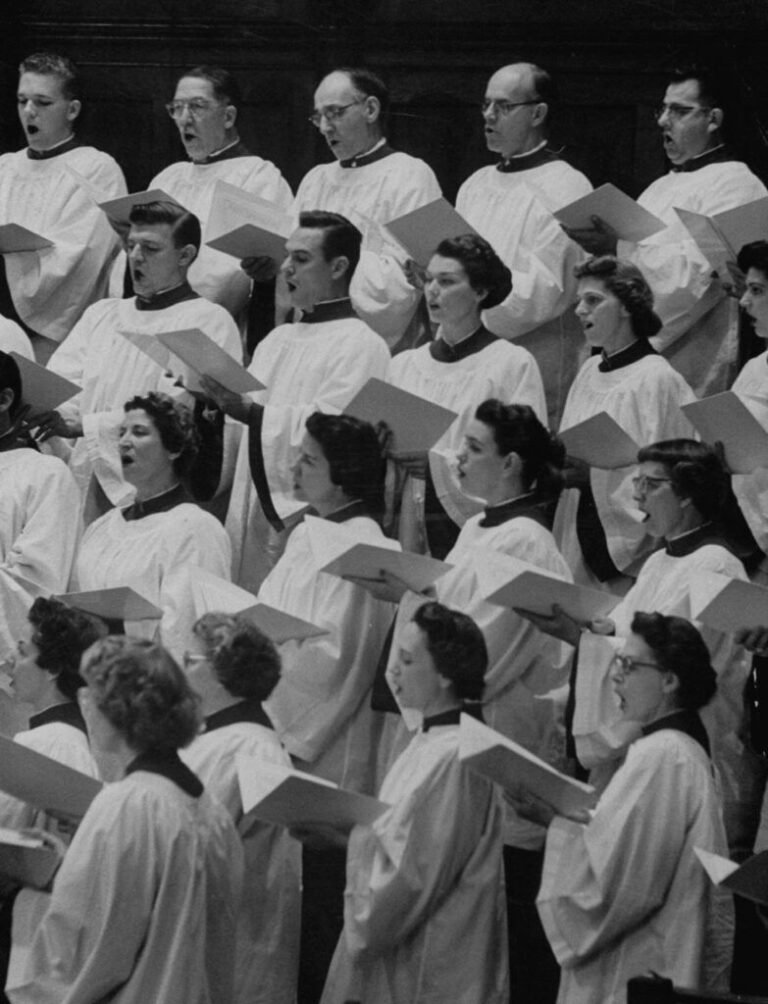
For over a century and a half, Sabine Baring-Gould’s 1865 hymn, “Onward, Christian Soldiers,” has been a staple in traditional church songbooks. Set to a stirring, triumphant melody by the famous composer Arthur Sullivan, the song was originally written for a children’s festival to keep a procession in step as they walked from one village to another. However, in the modern era, the hymn has become a point of intense discussion. Critics argue that its aggressive, militaristic language is outdated and counterproductive to a message of peace, while traditionalists maintain it is a valuable piece of historical allegory. This deep division leaves modern church leaders facing a difficult question: is it time to permanently retire this iconic anthem?
The Case Against Militaristic Language
The primary argument for retiring the hymn centers on its intense, battlefield imagery. Phrases like “marching as to war,” “hell’s foundations quiver,” and “royal master leads against the foe” can easily feel jarring in a contemporary setting focused on love, reconciliation, and community service. Detractors point out that to an outside observer, or to a new believer, this language can be easily misinterpreted as endorsing literal conflict, historical crusades, or a hostile, “us-versus-them” mentality. In a world already fractured by division, critics argue that church music should actively promote unity and peace rather than utilizing symbols of warfare and aggression.
Defending the Spiritual Allegory
Conversely, defenders of the hymn argue that retiring it means losing a vital, biblical metaphor. The concept of the “Christian soldier” is not a modern political invention; it is rooted directly in New Testament texts, such as the Apostle Paul’s instruction in the book of Ephesians to “put on the whole armor of God.” Traditionalists emphasize that the hymn’s warfare is entirely spiritual—fought against internal temptations, systemic injustice, and moral decay rather than physical people. From this perspective, the song is a powerful call to endurance, discipline, and active engagement in doing good, reminding believers that faith requires effort and courage.
The Loss of Musical and Historical Heritage
From a purely artistic standpoint, permanently retiring “Onward, Christian Soldiers” would mean removing one of the finest examples of nineteenth-century musical composition from the active archive. Arthur Sullivan’s march tune, ST. GERTRUDE, is a masterpiece of congregational songwriting, designed to be easily sung by hundreds of voices at once. The driving rhythm and unforgettable chorus have given generations of believers a sense of shared energy and momentum. Many historians fear that completely erasing such pieces from the songbook creates a historical disconnect, separating the modern church from the resilient, time-tested art forms that sustained previous generations through global crises.
A Recommended Path of Education, Not Elimination
Ultimately, permanently retiring “Onward, Christian Soldiers” may not be the most professional or constructive solution. A healthier recommendation for modern leadership is the practice of “contextual singing.” Instead of banning the hymn entirely, leaders can use its occasional inclusion as an educational opportunity. Spending sixty seconds before the music starts to clearly explain that the “warfare” is a metaphor for fighting injustice, hatred, and personal despair completely changes how the room receives the message. By choosing education over elimination, communities can honor their historical heritage while ensuring their current message remains entirely focused on peace, unity, and shared purpose.